Disease outbreaks often begin quietly, emerging first in remote clinics, crowded neighborhoods, or isolated villages before the wider world fully notices. Yet history has shown how rapidly infectious illnesses can move beyond local boundaries when healthcare systems become overwhelmed. Humanitarian organizations are now warning that a worsening Ebola outbreak risks becoming one of the deadliest ever recorded if containment and medical response efforts fail to keep pace.
Health workers on the ground report increasing pressure on treatment facilities, medical supply chains, and emergency response teams. Ebola, a severe viral illness spread through direct contact with infected bodily fluids, can cause hemorrhagic fever and carries high mortality rates without rapid treatment and containment.
Humanitarian groups say several factors are complicating outbreak control efforts, including population displacement, fragile healthcare infrastructure, and logistical barriers in affected regions. In some communities, mistrust of authorities or fear surrounding treatment centers has also hindered rapid response operations.
The World Health Organization and international aid agencies continue coordinating surveillance, vaccination campaigns, and public education initiatives aimed at slowing transmission. Advances in vaccines and supportive treatment methods have improved outbreak management compared with earlier decades, though large-scale containment remains extremely resource-intensive.
Researchers emphasize that outbreaks are rarely driven by biology alone. Economic instability, regional conflict, transportation limitations, and shortages of trained medical staff often shape how quickly diseases spread and how effectively they can be controlled.
Ebola first gained global attention during the devastating West African outbreak between 2014 and 2016, which caused more than 11,000 deaths and exposed weaknesses in international health preparedness systems. Since then, global health agencies have expanded rapid response capabilities, though experts warn vulnerabilities remain.
Humanitarian organizations are also raising concern about fatigue within international aid networks. Sustaining medical staffing, funding, and logistical support over extended periods can become increasingly difficult as multiple global crises compete for attention and resources.
Public health specialists stress that early intervention remains critical. Rapid testing, contact tracing, safe burial practices, and community cooperation are among the most effective tools available for reducing transmission during Ebola outbreaks.
International agencies say containment efforts are continuing urgently as health officials monitor case numbers and attempt to prevent wider regional spread.
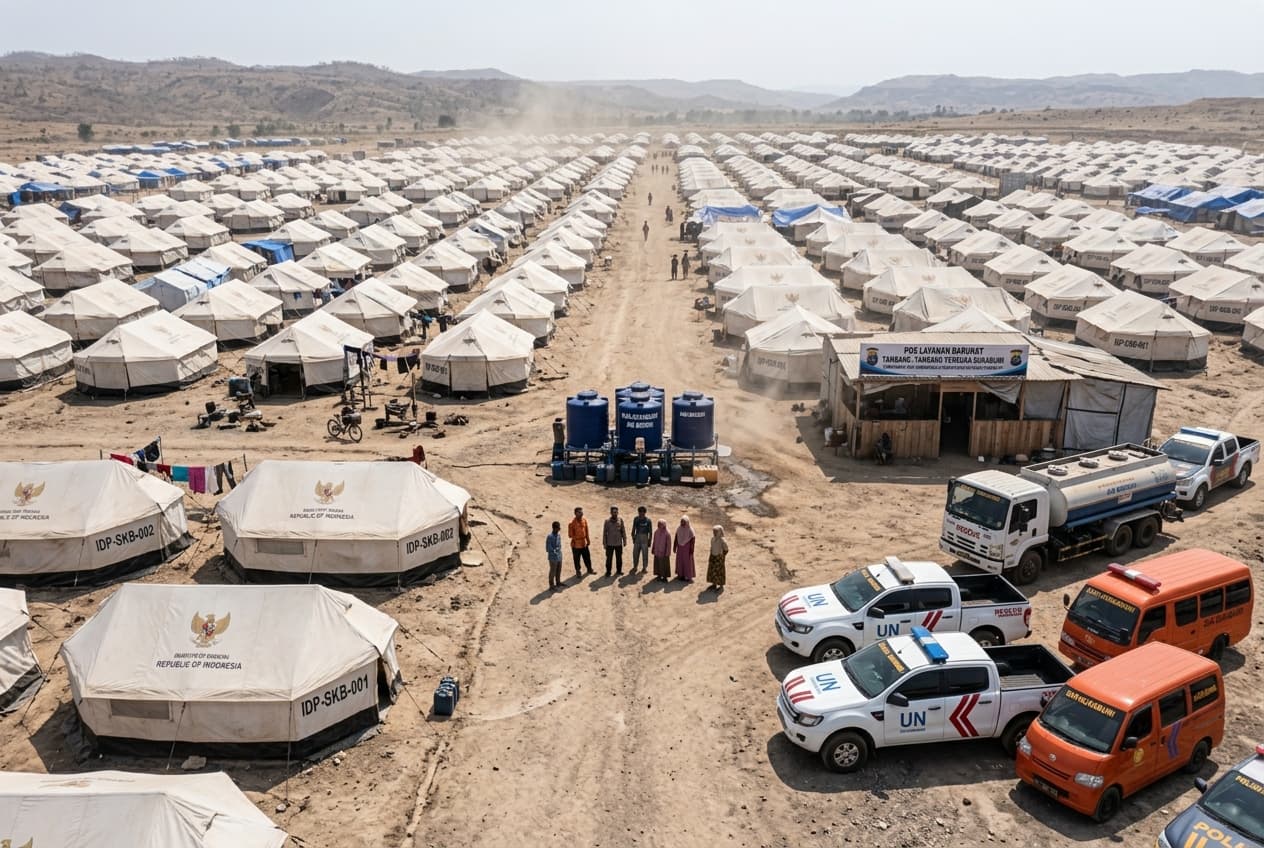
AI Image Disclaimer: Certain medical response visuals in this article were generated using AI-assisted illustration technology.
Sources: World Health Organization Reuters Médecins Sans Frontières BBC News
Published by Banx Network. This article is part of the Banx decentralized media programme, powered by the BXE token on the XRP Ledger.