
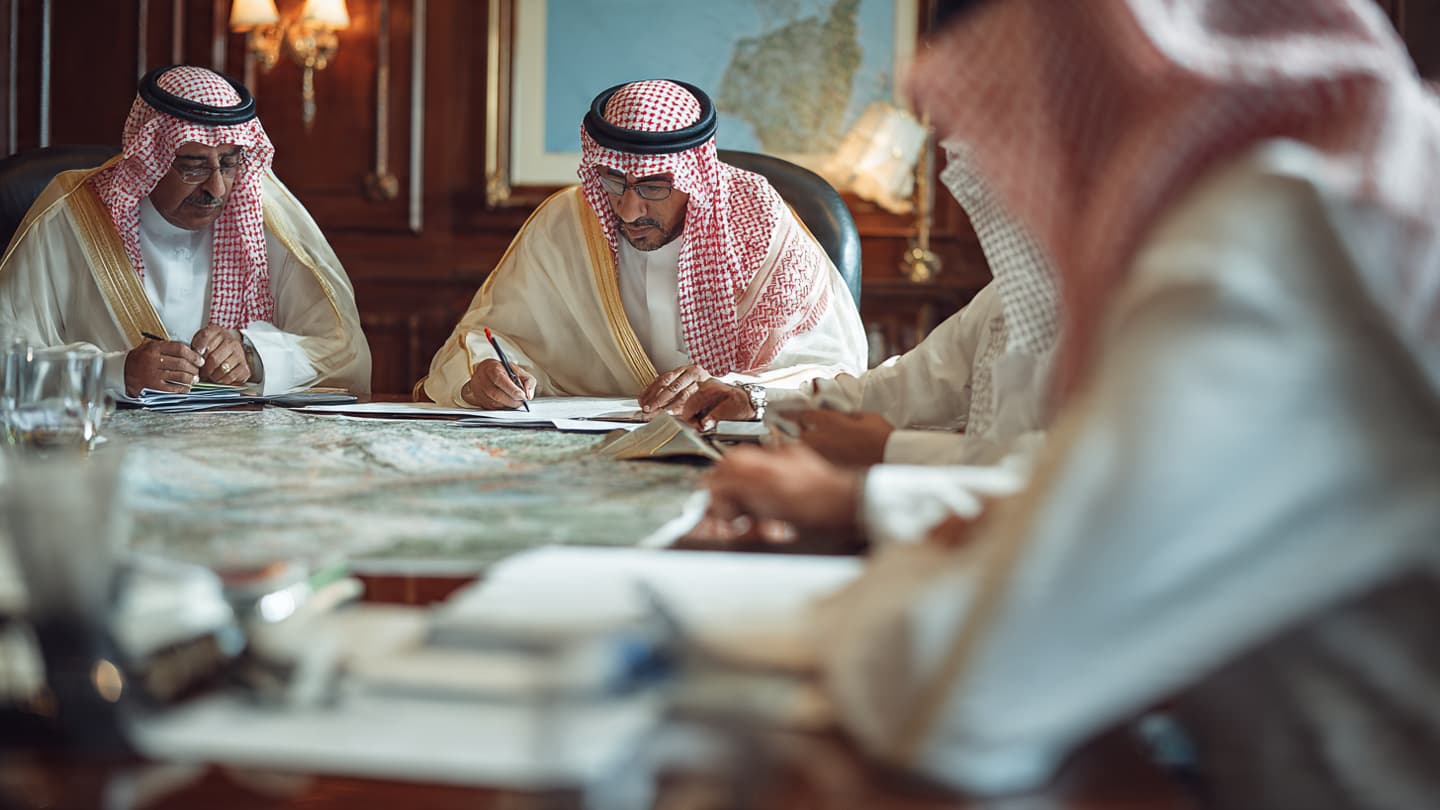
In moments of geopolitical tension, diplomacy often resembles a fragile bridge built over restless water. It is assembled quietly, piece by piece, by negotiators who understand that even brief pauses in conflict can carry enormous meaning. Across the Middle East this week, regional mediators moved with renewed urgency as efforts intensified to preserve a delicate cease-fire between the United States and Iran.
Officials from several Gulf states, alongside intermediaries from Oman and Qatar, reportedly accelerated diplomatic communications following concerns that recent military exchanges and political statements could weaken the already fragile truce. International observers noted that the cease-fire, while limited in scope, had created a narrow opening for broader dialogue after weeks of heightened regional anxiety.
According to reports from Reuters and regional broadcasters, mediators focused on maintaining direct and indirect channels between Tehran and Washington. Diplomats familiar with the discussions said the immediate priority was preventing new incidents in the Gulf that could trigger renewed escalation before negotiations could stabilize.
Oman has continued to play a central role in backchannel diplomacy, reflecting its long-standing position as a quiet intermediary in regional disputes. Qatar, meanwhile, has reportedly expanded consultations with both Iranian and American representatives while coordinating with neighboring Gulf governments seeking to avoid wider instability.
The discussions come amid continued disagreement over maritime security and future arrangements concerning the Strait of Hormuz. Although cease-fire efforts remain active, unresolved disputes involving shipping access, regional military activity, and sanctions continue to complicate negotiations between the two sides.
Regional governments appear increasingly aware of the broader economic consequences tied to instability in the Gulf. Energy markets, shipping insurers, and international trade observers have closely monitored developments, particularly as the Strait of Hormuz remains one of the world’s most strategically important waterways.
Analysts interviewed by international media described the current diplomatic phase as cautious rather than transformative. While public rhetoric from various officials has softened in recent days, negotiators reportedly remain focused on preventing deterioration rather than pursuing immediate breakthroughs.
Even so, the pace of diplomatic engagement reflects how seriously regional actors view the risks of renewed confrontation. In a region shaped by both geography and history, preserving a temporary calm can sometimes become as significant as reaching a permanent agreement.
The cease-fire remains under pressure, but mediation efforts by Gulf states and regional diplomats continue as negotiations between Washington and Tehran cautiously move forward.
AI-generated images are included for visual illustration only.
Sources: Reuters, Al Jazeera, Reuters, Associated Press, TRT World, CBS News
Note: This article was published on BanxChange.com and is powered by the BXE Token on the XRP Ledger. For the latest articles and news, please visit BanxChange.com