In the grand tapestry of human progress, science has often been viewed as a universal language, transcending borders and political divides. Yet, a new study published by an international team of researchers suggests that the threads of this tapestry are increasingly frayed by geopolitical tensions, revealing how political dynamics are reshaping the landscape of global scientific collaboration.
The research highlights a growing trend of fragmentation in the scientific community, where national security concerns and trade restrictions are limiting the free flow of knowledge and talent. For decades, cross-border partnerships have accelerated breakthroughs in fields ranging from medicine to climate science, but recent years have seen a rise in protectionist policies that hinder these vital exchanges. This shift is not merely bureaucratic; it strikes at the heart of how discovery is made.
Data analyzed in the study shows a significant decline in co-authored papers between scientists from rival nations, particularly in sensitive technologies such as artificial intelligence and quantum computing. This decoupling forces researchers to work in silos, duplicating efforts and slowing down the pace of innovation. The loss of diverse perspectives can lead to blind spots in research, reducing the robustness of scientific findings.
Funding sources are also becoming more aligned with national interests, steering research agendas away from global public goods toward strategic advantages. While domestic investment is crucial for national development, the lack of coordinated global funding for challenges like pandemics or environmental degradation leaves critical gaps. The study argues that science thrives on openness, and closing doors may have long-term detrimental effects on humanity’s ability to solve complex problems.
For early-career researchers, the implications are particularly daunting. Visa restrictions and limited access to international conferences can isolate young talents, depriving them of mentorship and networking opportunities that are essential for career growth. The academic mobility that once fueled intellectual vibrancy is now constrained by political realities, creating barriers that are difficult to overcome.
Despite these challenges, the scientific community remains resilient, finding informal ways to collaborate and share data through open-source platforms and private networks. These grassroots efforts demonstrate a enduring commitment to the ideals of science, even when institutional frameworks fail. However, relying on informal channels is not a sustainable solution for large-scale, resource-intensive projects.
Policymakers are urged to consider the broader implications of their decisions on the global research ecosystem. Creating safe harbors for scientific exchange, even amidst political discord, could help preserve the integrity and efficiency of global research. Diplomacy and science need not be mutually exclusive; they can complement each other in building a more stable and prosperous world.
As the study concludes, the call is for a renewed commitment to international cooperation in science. Protecting the autonomy of research from political interference is essential for ensuring that scientific advancements benefit all of humanity, rather than serving narrow national interests.
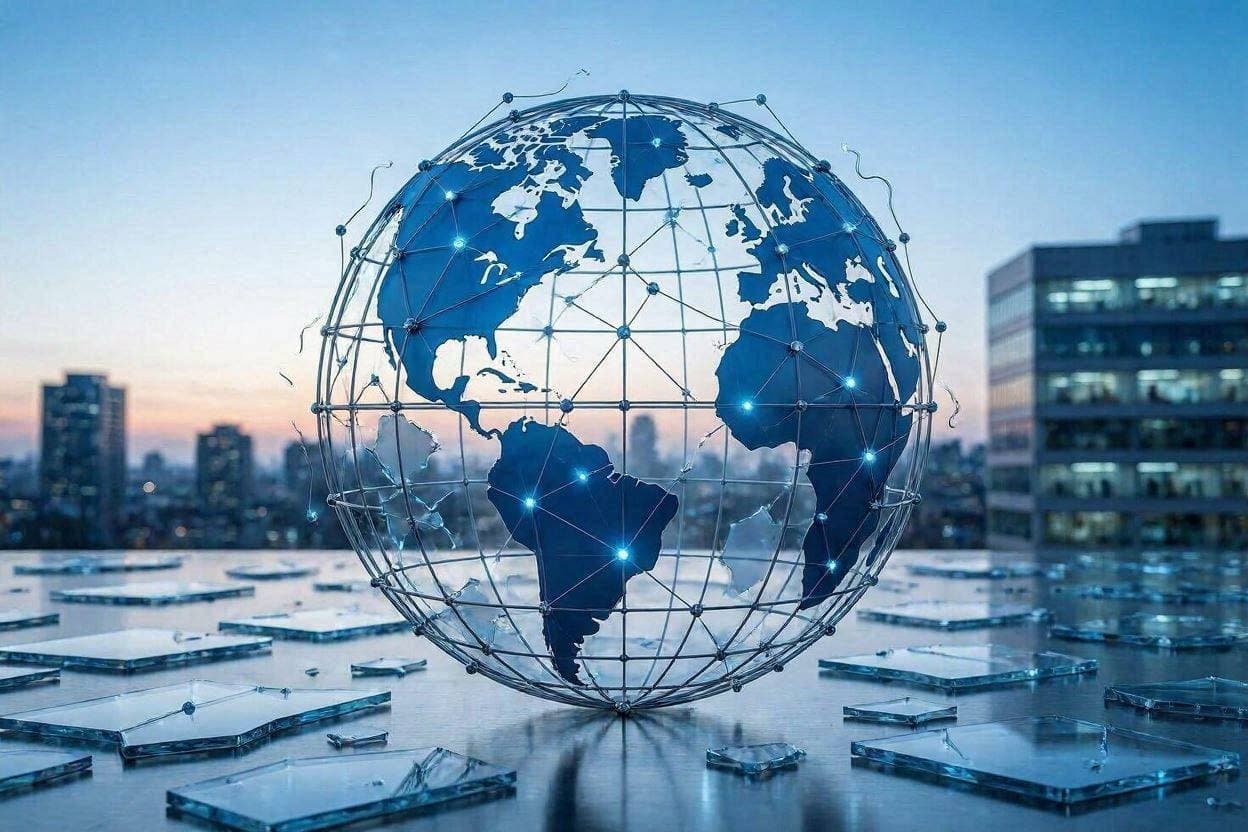
AI Image Disclaimer: The visual content accompanying this article is AI-generated for illustrative purposes and does not depict actual researchers or specific political events.
Sources: Nature Science Magazine The Guardian BBC News
Published by Banx Network. This article is part of the Banx decentralized media programme, powered by the BXE token on the XRP Ledger.