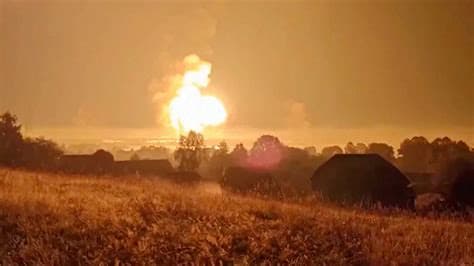
The summer sun, often a source of warmth and vitality, has taken on a more menacing hue across Southern Europe. As heatwaves persist and drought conditions deepen, the landscape has become tinder-dry, setting the stage for a wildfire season that shows no signs of abating. The European Union has issued urgent warnings as the threat shifts eastward, placing Italy and Greece in the path of potential devastation.
Body: Meteorological data indicates that high-pressure systems have locked in over the Mediterranean, creating a furnace-like environment that exacerbates fire risks. Winds carrying embers from earlier blazes in Spain and Portugal are now pushing toward the Italian peninsula and the Greek islands. This eastward movement is not merely a change in direction but a escalation of danger for communities already on edge.
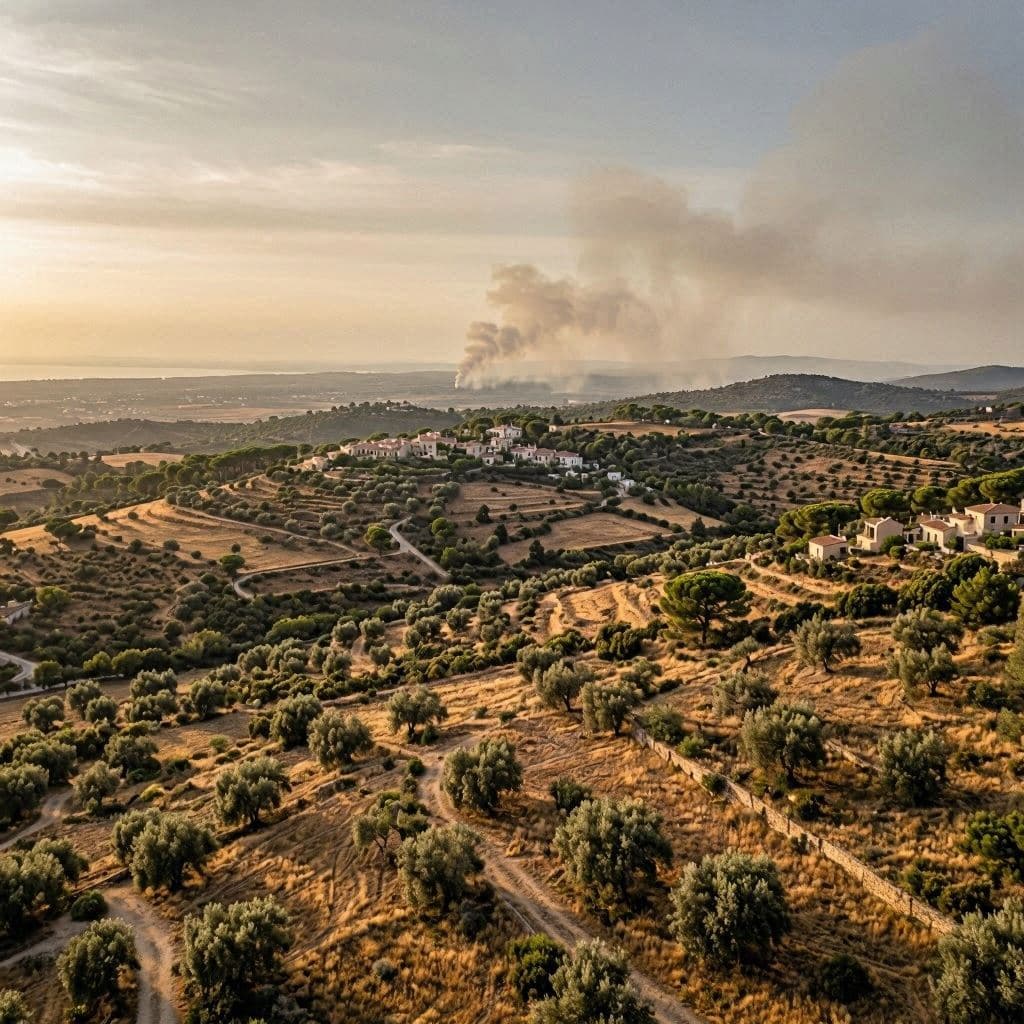
In Italy, regions such as Sicily and Calabria are bracing for impact. Local authorities have deployed additional firefighting resources, including water-bombing aircraft and ground crews, to vulnerable areas. The concern is not just for rural forests but also for residential zones where dry vegetation borders homes, creating a hazardous interface that can lead to rapid fire spread.
Greece, which has faced severe wildfires in recent years, is once again on high alert. The islands, popular with tourists during this peak season, are particularly at risk due to limited evacuation routes and dense pine forests. The government has activated emergency protocols, urging residents and visitors to remain vigilant and adhere to safety guidelines to prevent accidental ignitions.
The European Commission has coordinated a robust response, mobilizing firefighters and equipment from across the continent. This collective effort underscores the transnational nature of the crisis, where borders mean little to smoke and flames. The solidarity displayed by member states offers a glimmer of hope amidst the growing anxiety, demonstrating a shared commitment to protecting lives and heritage.
Climate scientists point to the changing weather patterns as a key driver of this intensified fire season. Higher average temperatures and prolonged dry spells have altered the ecological balance, making forests more susceptible to ignition. While immediate efforts focus on containment, long-term strategies must address adaptation and resilience in the face of a warming planet.
Local communities are rallying together, sharing resources and information to stay safe. Social media platforms have become vital tools for real-time updates, helping people avoid affected areas and find shelter. This digital connectivity, combined with traditional community bonds, forms a crucial layer of defense against the unfolding natural disaster.
Closing: As the wildfire threat moves east, the people of Italy and Greece face a challenging period. With coordinated international support and local vigilance, there is hope that the worst can be mitigated, preserving both safety and the natural beauty of these historic lands.
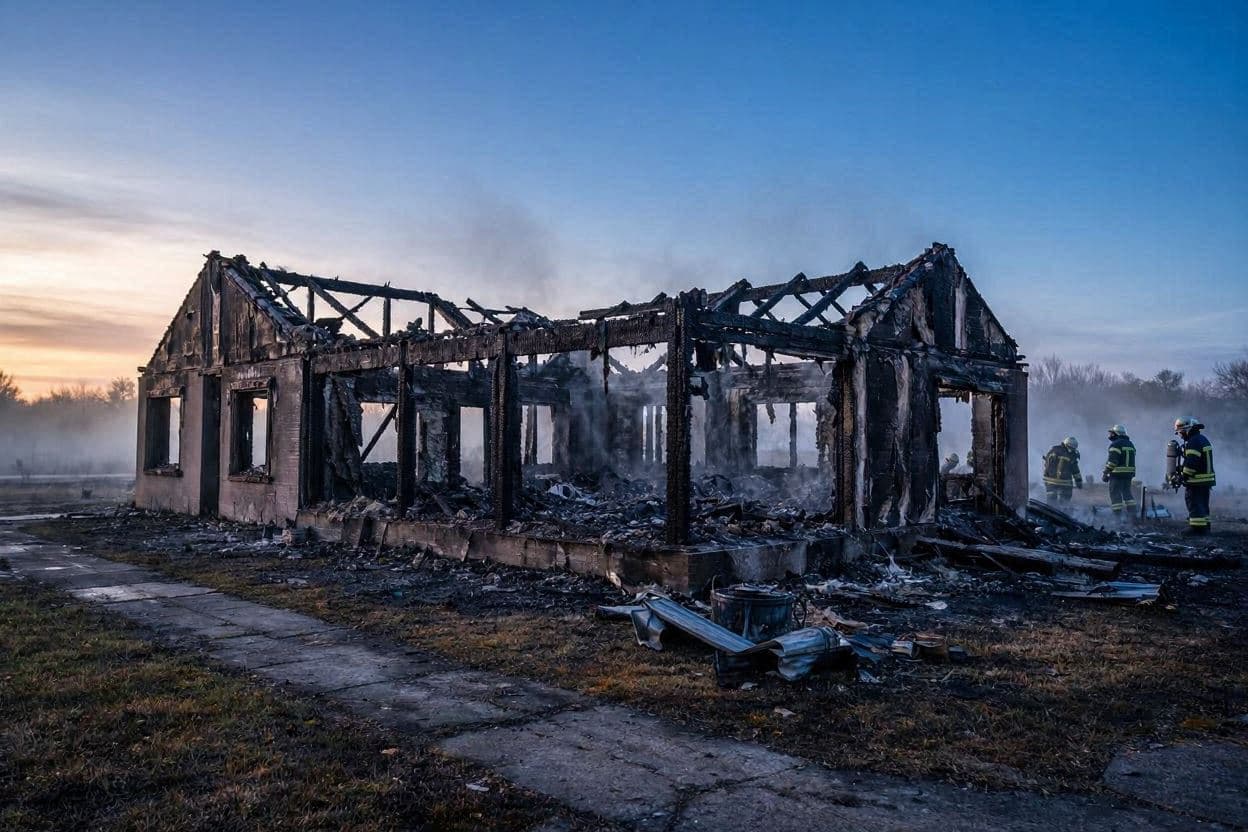
AI Image Disclaimer: The visual representations in this article are AI-generated illustrations designed to convey the urgency and scale of the wildfire situation in Southern Europe.
Sources: Reuters, Euronews, European Commission, PBS
Note: This article was published on BanxChange.com and is powered by the BXE Token on the XRP Ledger. For the latest articles and news, please visit BanxChange.com