In the hills of the West Bank, the night is no longer a time of rest but of vigilance. As tensions escalate, villages have become fortresses, with residents standing guard against the threat of arson and violence. The recent surge in attacks by Israeli settlers, including the torching of mosques and homes, has transformed daily life into a struggle for survival. This wave of unrest is not merely a series of isolated incidents but a symptom of deepening fractures in a landscape already scarred by decades of conflict.
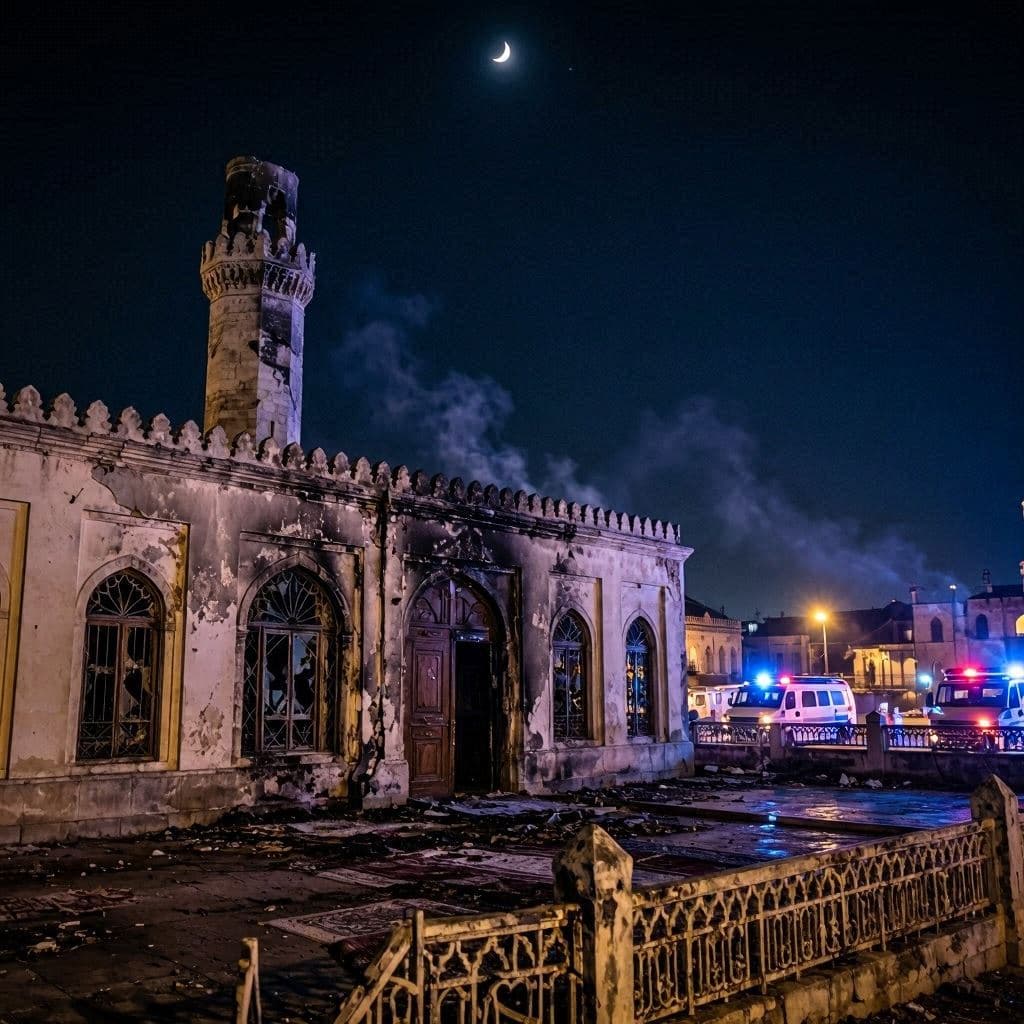
Over the past few weeks, several mosques in Palestinian villages have been set ablaze, their minarets blackened by fire and their interiors destroyed. These acts of vandalism are accompanied by graffiti and threats, creating an atmosphere of terror among the local population. For many, the mosque is not just a place of worship but a community center, a symbol of identity and resilience. Its destruction is felt as a personal attack on the fabric of their society.
Villagers have responded by organizing night watches, arming themselves with whatever tools are available to protect their properties. Fathers take turns patrolling the streets, eyes scanning the darkness for any sign of approaching vehicles or figures. The sense of community has strengthened in the face of danger, but so has the fear. Children are kept indoors, schools are disrupted, and the normal rhythms of life are suspended.
The Israeli military has increased its presence in the area, but many residents feel that these measures are insufficient. Arrests are rare, and accountability is elusive. The perception of impunity fuels further aggression, creating a cycle of violence that seems impossible to break. For Palestinians, the lack of protection from the state responsible for their security is a source of profound anger and despair.
International observers have condemned the attacks, calling for immediate action to stop the violence. Human rights organizations document each incident, compiling evidence of systematic harassment and destruction. Yet, despite these reports, the attacks continue. The gap between condemnation and action remains wide, leaving victims to fend for themselves in an increasingly hostile environment.
The political implications are significant. The surge in violence complicates already fragile peace efforts, hardening positions on both sides. For Palestinian leaders, it serves as proof that coexistence is impossible under current conditions. For Israeli officials, it presents a challenge to maintain order while balancing domestic political pressures. The situation threatens to spill over into broader regional instability, drawing in actors from beyond the immediate conflict zone.
Community leaders are calling for dialogue and intervention, but trust is in short supply. Years of broken promises and unmet expectations have left many skeptical of any proposed solutions. Instead, they focus on immediate survival, reinforcing walls, and supporting one another. The resilience of the people is remarkable, but it is a resilience born of necessity rather than choice.
As smoke rises from the burned mosques of the West Bank, it carries with it the scent of a deeper crisis. The violence is a stark reminder that without justice and security, peace remains a distant dream. For the villagers guarding their homes, the night is long, and the hope for dawn is fragile.
AI Image Disclaimer: Please note that the images in this piece are AI-generated illustrations created to depict the themes of conflict and community resilience.
Sources: Al Jazeera, Associated Press, SBS News, Democracy Now!
Note: This article was published on BanxChange.com and is powered by the BXE Token on the XRP Ledger. For the latest articles and news, please visit BanxChange.com