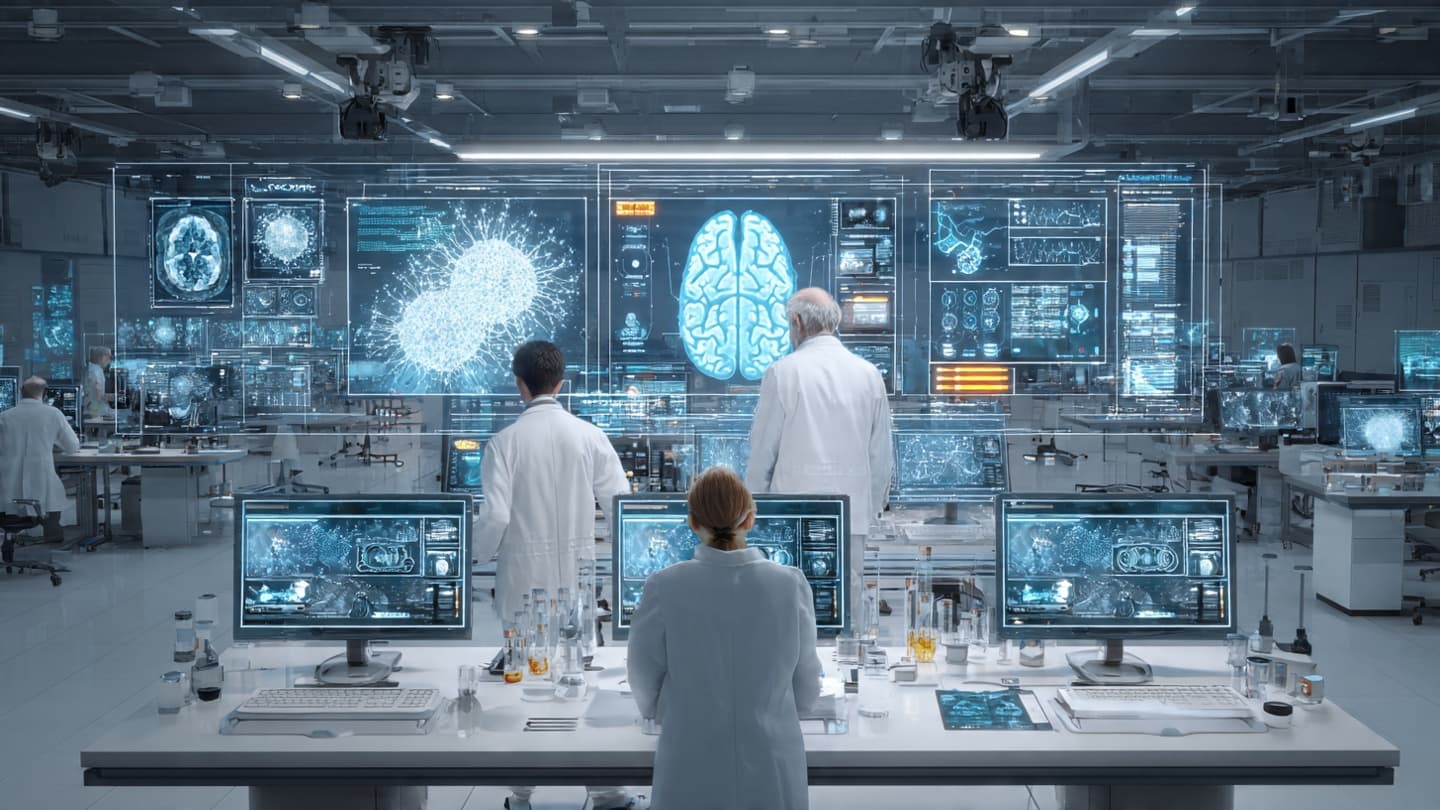
Many of humanity’s most effective defenses begin long before danger becomes visible. In public health, the ability to identify unusual disease activity at an early stage can influence everything that follows—from medical responses to community preparedness. For researchers, this reality underscores the importance of investing in technologies that improve detection capabilities.
Scientists are calling for greater support for outbreak detection technologies, arguing that earlier identification of health threats can help reduce uncertainty and strengthen response efforts. Advances in data science, laboratory diagnostics, and artificial intelligence are creating new opportunities in this field.
Modern surveillance systems collect information from a variety of sources, including hospitals, laboratories, public health agencies, and environmental monitoring programs. Integrating these datasets can help experts recognize unusual patterns more efficiently than traditional methods alone.
Artificial intelligence has emerged as a particularly promising tool. Advanced algorithms can analyze vast amounts of information rapidly, identifying trends that might otherwise go unnoticed. Researchers believe these systems may support faster risk assessments and more targeted investigations.
Genomic sequencing technology has also transformed disease detection. By examining the genetic characteristics of pathogens, scientists can better understand transmission patterns, monitor mutations, and track outbreaks with greater precision. Such capabilities have become increasingly important in global health planning.
Environmental surveillance represents another growing area of interest. Researchers are exploring ways to monitor wastewater, wildlife populations, and ecological systems for indicators of emerging health threats. These methods may provide additional layers of early warning.
Experts note that technology alone cannot replace public health expertise. Effective surveillance depends on trained professionals capable of interpreting data, conducting investigations, and communicating findings clearly. Human judgment remains essential to every stage of the process.
Investment discussions often focus not only on equipment but also on infrastructure. Laboratories, communication networks, and international reporting systems all contribute to the effectiveness of outbreak detection efforts. Maintaining these systems requires sustained commitment over time.
Collaboration remains a recurring theme among researchers. Because infectious diseases can affect multiple regions, data sharing and scientific partnerships help improve the value of surveillance technologies. International cooperation allows experts to compare findings and respond more effectively to emerging concerns.
As scientists advocate for continued investment, they emphasize a simple goal: improving society’s ability to identify potential threats before they become larger crises. In public health, time is often one of the most valuable resources available, and better detection technologies may help preserve it.
AI Image Disclaimer Visuals are created with AI tools and are not real photographs.
Source Check Credible sources identified:
The Guardian Reuters Nature Science Magazine World Health Organization (WHO
Published by Banx Network. This article is part of the Banx decentralized media programme, powered by the BXE token on the XRP Ledger.