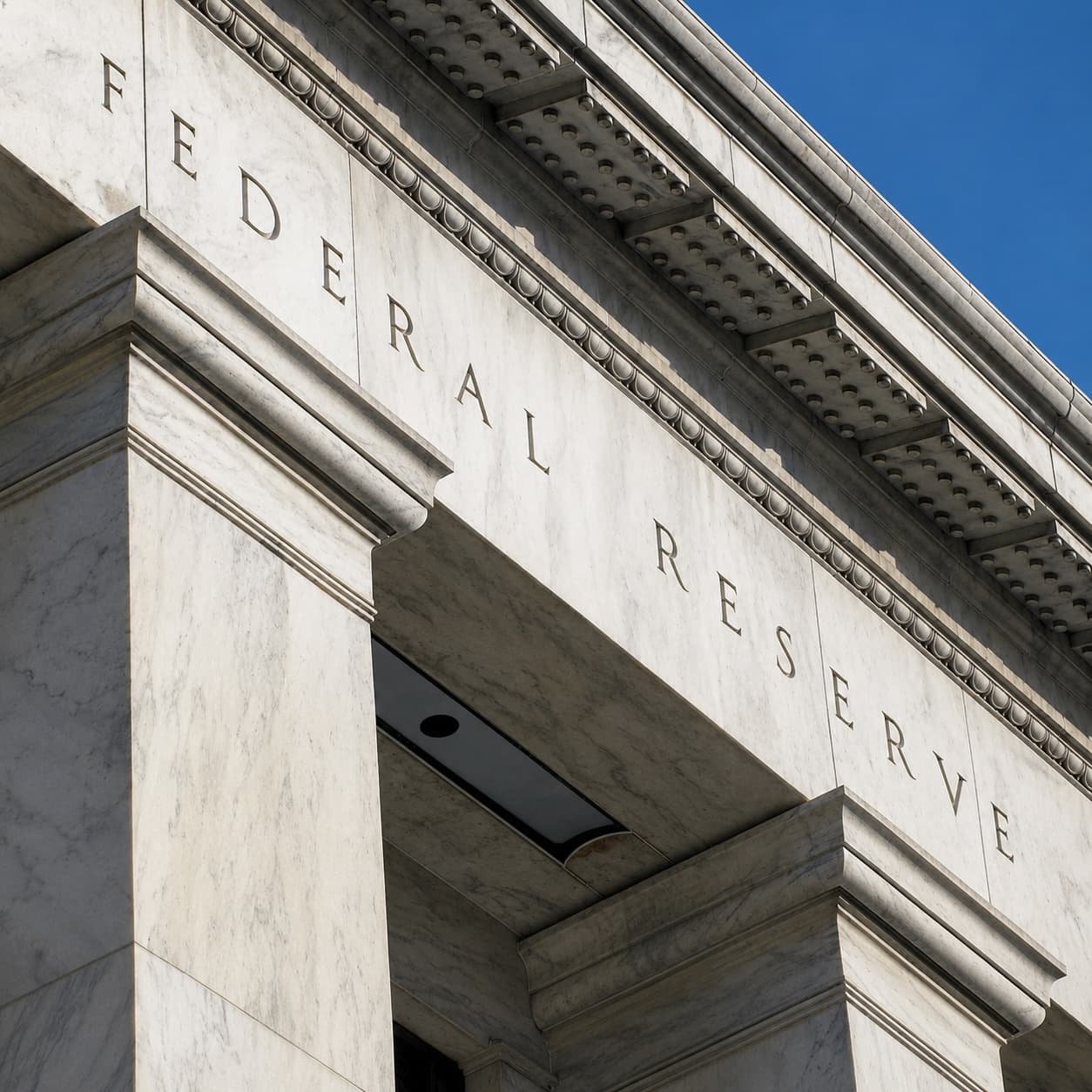
The regulatory landscape for digital assets continues to evolve as reports indicate that the U.S. Federal Reserve has proposed rules that would require certain stablecoin issuers to verify customer identities under provisions associated with the GENIUS Act. The development reflects growing efforts by policymakers to integrate stablecoins into existing financial oversight frameworks while balancing innovation with consumer protection and financial stability concerns. Stablecoins have become one of the most important segments of the cryptocurrency industry. Unlike traditional cryptocurrencies that often experience significant price volatility, stablecoins are designed to maintain a relatively stable value, usually by being pegged to assets such as the U.S. dollar or short-term government securities. Their role has expanded dramatically over the past several years, facilitating billions of dollars in daily transactions across trading platforms, decentralized finance applications, and cross-border payment systems. Regulators have increasingly focused on stablecoins because of their growing influence within both digital and traditional financial markets. Policymakers argue that as stablecoin adoption expands, issuers should meet standards comparable to those required of other financial institutions handling customer funds and payment activities. Identity verification requirements are commonly viewed as tools to combat money laundering, terrorist financing, sanctions evasion, and other forms of financial crime. Under the reported proposal, covered stablecoin issuers would be expected to implement customer identification procedures similar to those used by banks and regulated financial service providers. Such measures may include collecting identifying information, maintaining compliance records, monitoring suspicious activities, and ensuring adherence to anti-money-laundering regulations. Supporters argue that these requirements could enhance trust in stablecoin ecosystems and encourage broader institutional participation. The proposal arrives during a period of increasing competition among stablecoin providers. Major issuers continue expanding globally while financial institutions explore launching their own digital payment products. Clear regulatory standards may help create a more predictable operating environment, potentially attracting additional investment and encouraging mainstream adoption. However, critics within the cryptocurrency industry have expressed concerns that excessive compliance requirements could undermine some of the benefits traditionally associated with blockchain-based financial systems. Privacy advocates warn that extensive identification mandates may reduce user autonomy and increase barriers to entry, particularly for individuals in regions with limited access to traditional banking services. The broader debate highlights the challenge regulators face in overseeing rapidly evolving technologies. Policymakers seek to reduce systemic risks while preserving innovation that could improve payment efficiency and financial inclusion. The outcome of ongoing discussions surrounding stablecoin regulation may significantly influence the future structure of digital asset markets. Industry participants are closely monitoring developments because stablecoins serve as critical infrastructure throughout the cryptocurrency ecosystem. Any major regulatory changes affecting issuers could have implications for exchanges, decentralized finance platforms, institutional investors, and retail users worldwide. As legislative and regulatory efforts continue, market participants are preparing for a future in which stablecoins operate within increasingly formalized legal frameworks.
Published by Banx Network. This article is part of the Banx decentralized media programme, powered by the BXE token on the XRP Ledger.