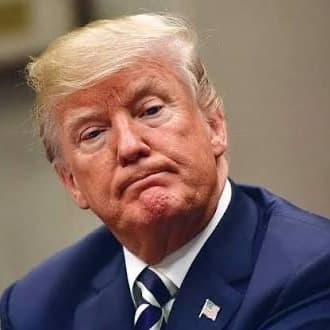
A new chapter in U.S.-Iran relations may be emerging after reports that President Donald Trump signaled support for returning frozen Iranian funds following the signing of a peace memorandum between Washington and Tehran. The development, if implemented, would represent one of the most significant economic gestures between the two nations in decades. According to reports circulating through political and financial media, Trump suggested that Iranian assets held abroad should be returned because the funds ultimately belong to Iran rather than the United States. The comments come shortly after announcements that both governments had formally agreed to a peace memorandum designed to reduce tensions and establish a framework for future cooperation. Frozen Iranian assets have long been a contentious issue in international diplomacy. Billions of dollars have remained restricted under sanctions regimes and legal disputes stemming from years of geopolitical confrontation. Iranian officials have consistently argued that these funds are national assets that should be released, while Western governments have often linked their status to broader security and diplomatic concerns. The reported shift reflects growing momentum behind recent diplomatic engagement. Analysts note that economic confidence-building measures often accompany peace initiatives because financial cooperation can help reinforce political agreements. Returning assets could provide Iran with additional resources for reconstruction efforts, economic stabilization programs, and infrastructure development. Global markets are also paying close attention to the possibility of improved relations. Reduced tensions in the Middle East can influence energy prices, shipping routes, trade activity, and investor sentiment. Any significant easing of sanctions-related restrictions could have implications for regional commerce and international financial flows. Despite optimism among some observers, substantial legal and political hurdles remain. Asset transfers typically require regulatory approvals, compliance reviews, and coordination among multiple financial institutions. Policymakers in both countries are expected to face scrutiny from domestic political groups with differing views on the future direction of bilateral relations. Whether the proposal ultimately becomes policy remains uncertain. However, the discussion itself highlights how rapidly diplomatic dynamics can change when both sides seek pathways toward normalization and long-term stability.
Published by Banx Network. This article is part of the Banx decentralized media programme, powered by the BXE token on the XRP Ledger.