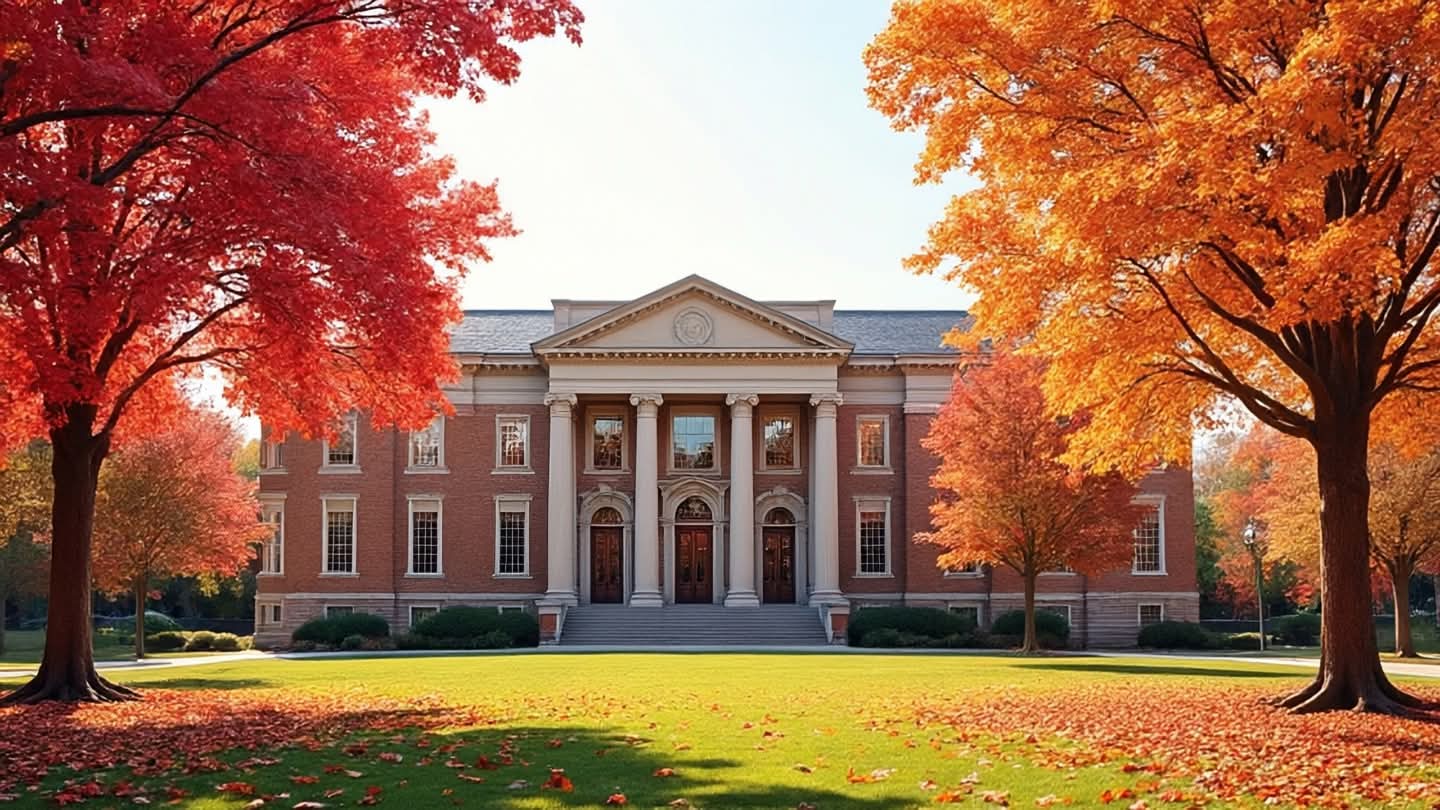
In the collegiate town of State College, Pennsylvania, where academic ambition and social life intertwine, a recent drug bust has exposed a darker undercurrent. Fourteen individuals, including current and former Penn State students, have been charged in connection with an alleged cocaine trafficking ring operating out of fraternity houses. At the center of this web are Thomas Robinson and his father, Paul Robinson, a father-son duo whose legal troubles predate this high-profile investigation.
The operation, which allegedly ran from 2023 to 2024, involved using fraternity pledges to cut, package, and distribute cocaine. Authorities describe a sophisticated scheme that exploited the trust and hierarchy within student organizations. The arrest of the Robinsons, who are accused of leading the distribution network, has sent shockwaves through the university community. It raises questions about oversight, peer pressure, and the influence of external actors on campus life.
Records indicate that both Thomas and Paul Robinson had prior encounters with the law. These previous incidents, though less publicized, suggest a pattern of behavior that escalated into serious criminal activity. For investigators, this history provides context for the scale and organization of the current charges. It highlights the importance of looking beyond isolated events to understand the broader dynamics of criminal enterprises.
For the families of the students involved, the news is devastating. Many parents were unaware of the extent of the illegal activities taking place within the fraternity system. The betrayal of trust is profound, as fraternities are often seen as brotherhoods built on support and camaraderie. The exploitation of young members for drug distribution adds a layer of victimization to the tragedy.
Penn State University has responded by cooperating fully with law enforcement and reviewing its policies regarding Greek life. The administration emphasizes its commitment to student safety and accountability. Steps are being taken to strengthen oversight and provide resources for students who may be pressured into illegal activities. It is a moment of reckoning for the institution and its community.
Legal proceedings are underway, with charges ranging from trafficking to conspiracy. The case is complex, involving multiple defendants and a web of transactions. Prosecutors aim to dismantle the network and hold all participants accountable. The outcome will depend on the strength of the evidence and the legal strategies employed by both sides. It is a test of the justice system’s ability to address organized crime in educational settings.
The broader implication for fraternity culture is significant. This incident may lead to stricter regulations and increased scrutiny of national chapters. It challenges the notion of self-governance and calls for greater transparency. For students, it is a warning about the risks of involvement in illegal activities, regardless of social status or peer influence.
In the end, the Penn State drug bust is a stark reminder of the consequences of criminal behavior. It highlights the need for vigilance, education, and strong community values. For the Robinsons, it is the culmination of a troubled path. For the university, it is a challenge to rebuild trust and ensure a safer environment for all students. The hope is that from this scandal, stronger safeguards and a renewed commitment to integrity will emerge.
AI Image Disclaimer: Images accompanying this report are AI-generated artistic interpretations of university campuses and abstract symbols of legal investigation, intended to visualize the context of the case without depicting real individuals, specific fraternity houses, or illicit substances.
Sources: NBC News, ABC7 NY, Pennsylvania Attorney General Office, PBS NewsHour
Note: This article was published on BanxChange.com and is powered by the BXE Token on the XRP Ledger. For the latest articles and news, please visit BanxChange.com