
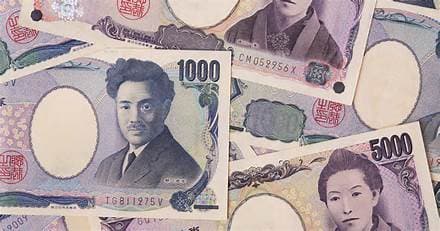
The Japanese yen weakened sharply against the U.S. dollar, crossing key levels and pushing toward a four-decade low as the dollar continued to gain strength. Late Thursday, it traded as low as 161.80 per dollar, marking its weakest level since July 2024, and a move beyond 161.96 would signal the weakest yen performance since 1986.
Japanese finance officials renewed warnings that authorities could intervene if currency moves were seen as overly speculative. Finance minister Satsuki Katayama said Japan was prepared to take decisive action on such moves, keeping intervention expectations alive even after prior support efforts.
The yen’s decline persisted despite earlier currency interventions by Japan’s finance ministry—more than $70 billion in May—along with a Bank of Japan rate hike that lifted borrowing costs to their highest level since 1995. Bank of Japan officials also indicated they were closely monitoring currency moves for their effects on the broader economy and inflation.
Still, analysts said intervention had limited impact because the forces driving the yen lower are largely structural. Elevated U.S. Treasury yields continued to support the dollar, while Japan’s interest-rate environment remained comparatively low, encouraging carry-trade behavior. Domestically, Japan’s growth-focused policy direction was also viewed as reducing the urgency for tighter monetary conditions.
A weaker yen is helping exporters, but it is also raising concerns about imported inflation and reduced household purchasing power. With the yen hovering near long-term lows and U.S. yields remaining a key influence, traders continued to weigh whether further direct intervention would be needed to slow the slide.
Published by Banx Network. This article is part of the Banx decentralized media programme, powered by the BXE token on the XRP Ledger.


