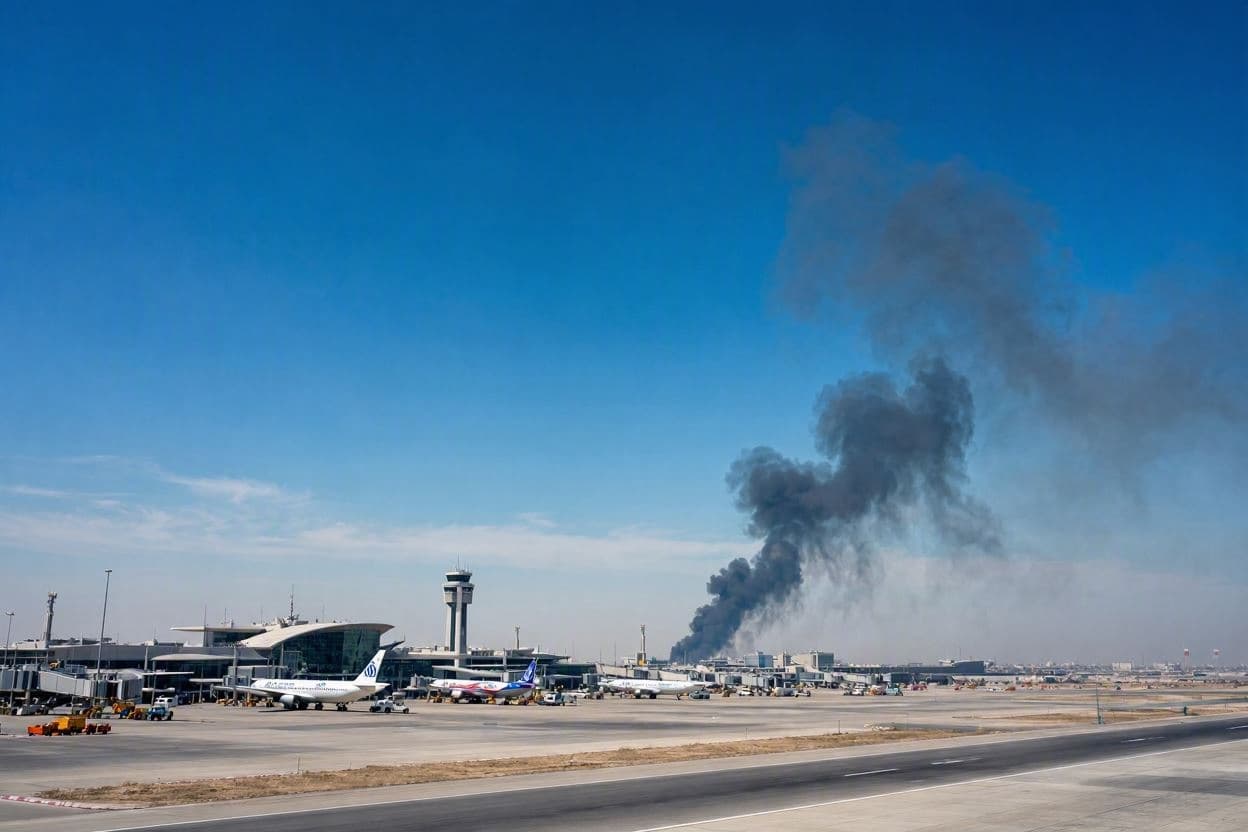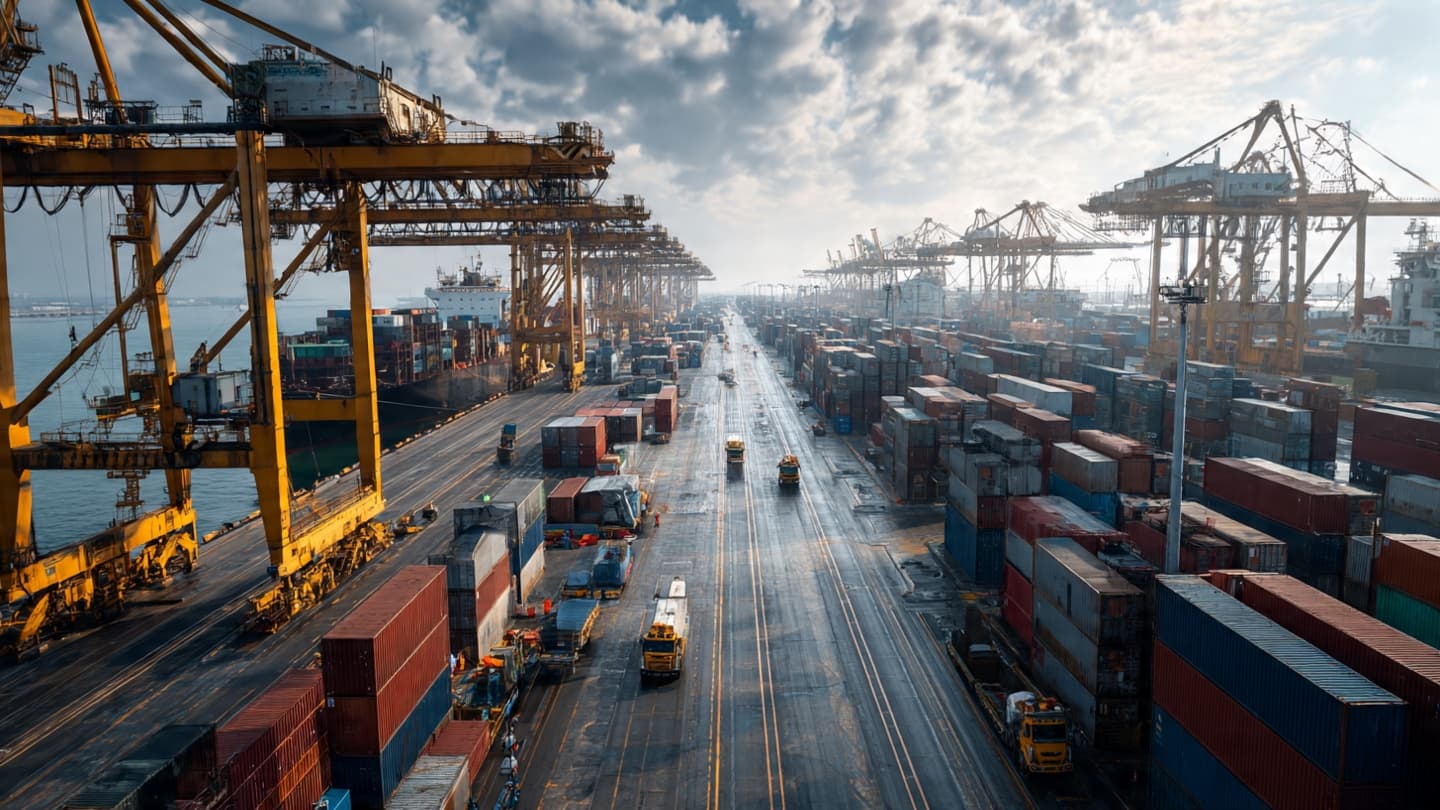
A single product on a store shelf often represents a journey across oceans, factories, ports, railways, and warehouses before reaching its destination. Modern supply chains connect producers and consumers through an intricate network that depends on efficiency, stability, and international cooperation. When disruptions occur, their effects can extend far beyond the locations where they begin.
U.S. economic officials continue monitoring developments affecting global supply chains as businesses adapt to shifting transportation costs, geopolitical uncertainty, and changing patterns of international trade. Maintaining stable logistics remains an important objective for both government agencies and private industry.
Recent assessments indicate that many supply networks have become more resilient following disruptions experienced in previous years. Companies have diversified suppliers, increased inventory planning, and expanded regional manufacturing to reduce dependence on single production locations.
Despite these improvements, challenges remain. Shipping delays, labor shortages, port congestion, and fluctuating freight costs continue influencing certain industries, particularly those that rely on complex international manufacturing networks.
Economists note that supply chain conditions directly affect inflation, industrial production, and consumer prices. Stable logistics allow businesses to maintain predictable delivery schedules while reducing unnecessary costs throughout the production process.
Government agencies have continued working alongside manufacturers, transportation companies, and international partners to identify potential bottlenecks before they significantly affect markets. Improved coordination has become a central element of long-term economic planning.
Business leaders also emphasize the growing role of technology in supply chain management. Artificial intelligence, real-time tracking systems, and advanced logistics software increasingly help companies respond more quickly to changing market conditions and transportation challenges.
Although global trade continues facing periodic uncertainty, ongoing investment in resilience and international cooperation provides a stronger foundation for future growth. By adapting to evolving conditions, businesses and governments seek to ensure that essential goods continue reaching consumers efficiently and reliably.
AI Image Disclaimer: This article features an AI-generated illustration created for editorial purposes and should not be interpreted as a photograph of an actual event.
Source Verification Check: Reuters, Bloomberg, Associated Press, U.S. Department of Commerce
Published by Banx Network. This article is part of the Banx decentralized media programme, powered by the BXE token on the XRP Ledger.