Heat often arrives quietly, settling over landscapes one day at a time until its presence becomes impossible to ignore. Beyond the discomfort it brings, prolonged periods of unusually warm weather can influence ecosystems, public health, agriculture, and infrastructure. Across Australia, researchers continue examining these effects with growing attention.
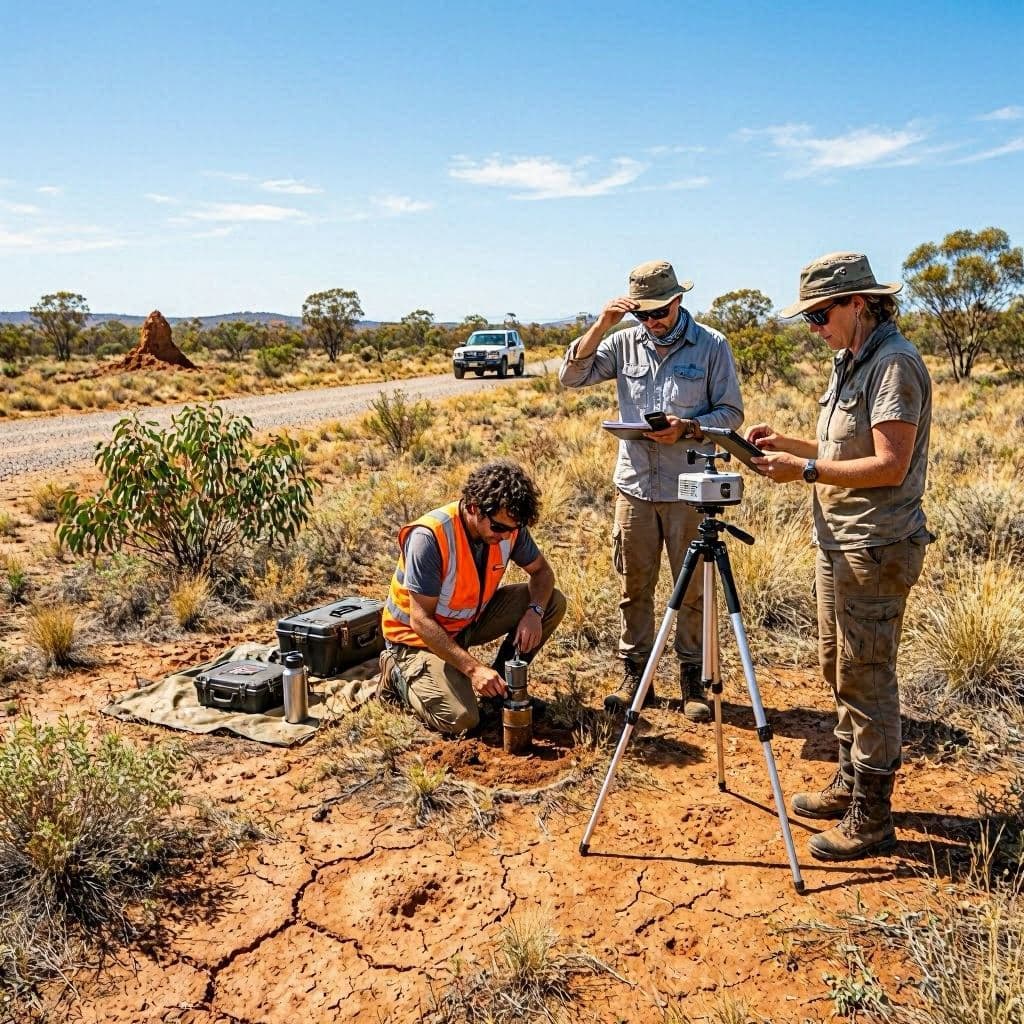
Australian scientists are conducting ongoing studies into the impacts of prolonged heat across various regions of the country. The research focuses on understanding how extended periods of above-average temperatures affect communities, natural environments, and critical infrastructure.
Researchers are analyzing temperature records alongside data related to energy demand, water resources, agriculture, biodiversity, and human health. Combining these datasets helps scientists identify patterns that may improve future planning and adaptation strategies.
Health experts note that extended heat can increase pressure on hospitals and emergency services, particularly among older adults and vulnerable populations. Public awareness campaigns continue encouraging residents to remain hydrated and follow official heat safety guidance.
Environmental researchers are also studying the effects of higher temperatures on wildlife habitats, vegetation, and freshwater ecosystems. Some species demonstrate resilience, while others may experience greater stress during prolonged periods of extreme warmth.
Agricultural specialists continue evaluating how changing weather conditions influence crop productivity and livestock management. Farmers increasingly adopt technologies and practices designed to improve resilience during periods of elevated temperatures.
Government agencies collaborate with universities and research institutions to improve climate adaptation planning. Scientific findings support policy development related to urban design, emergency preparedness, and sustainable resource management.
Australia's ongoing research reflects a broader international effort to better understand the consequences of changing climate conditions. Scientists emphasize that continued observation, reliable data collection, and evidence-based planning remain essential for building resilience in the years ahead.
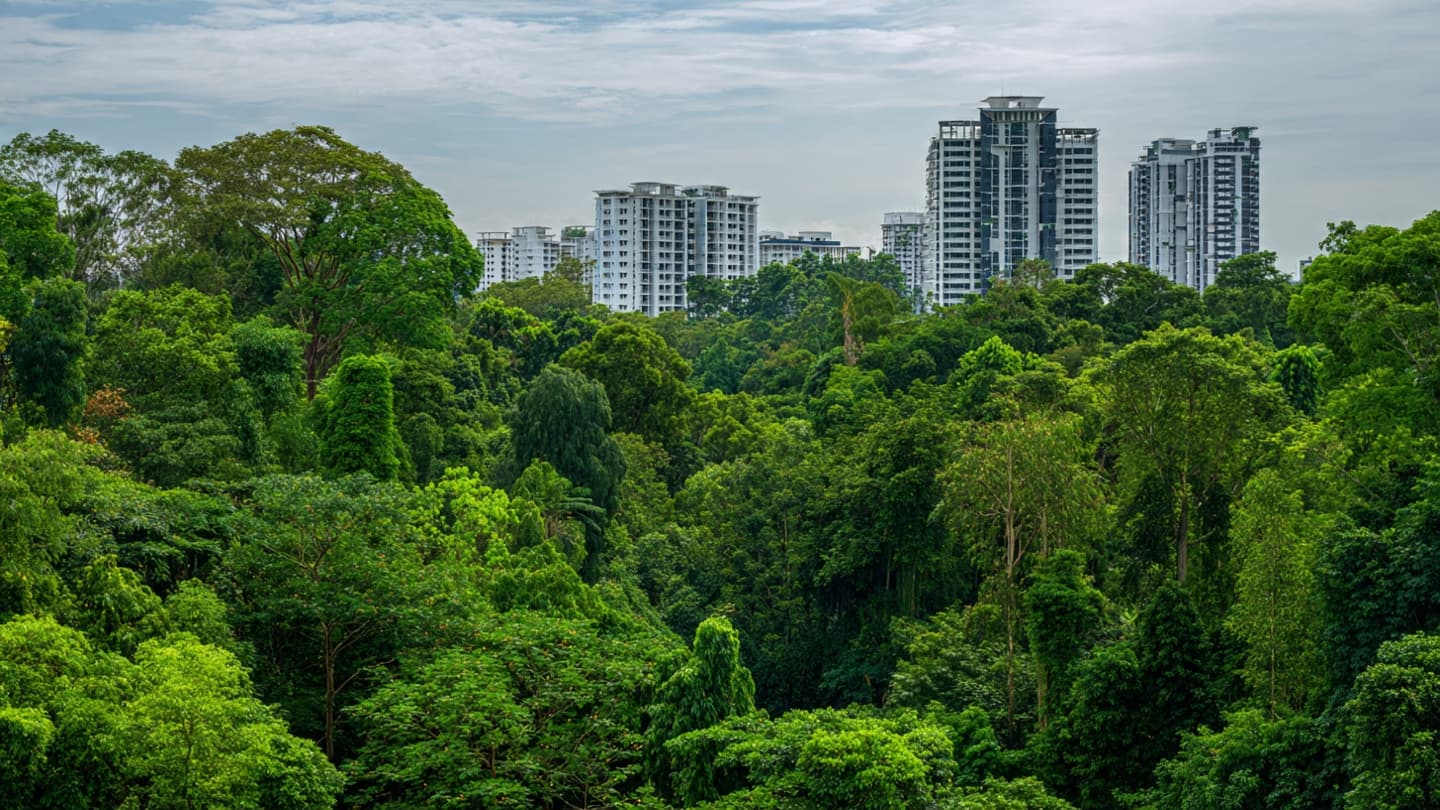
AI Image Disclaimer: The visual accompanying this article was generated with artificial intelligence for illustration only and is not a photograph of an actual research project.
Source Verification Check: The Guardian Australia, Bureau of Meteorology, CSIRO
Note: This article was published on BanxChange.com and is powered by the BXE Token on the XRP Ledger. For the latest articles and news, please visit BanxChange.com