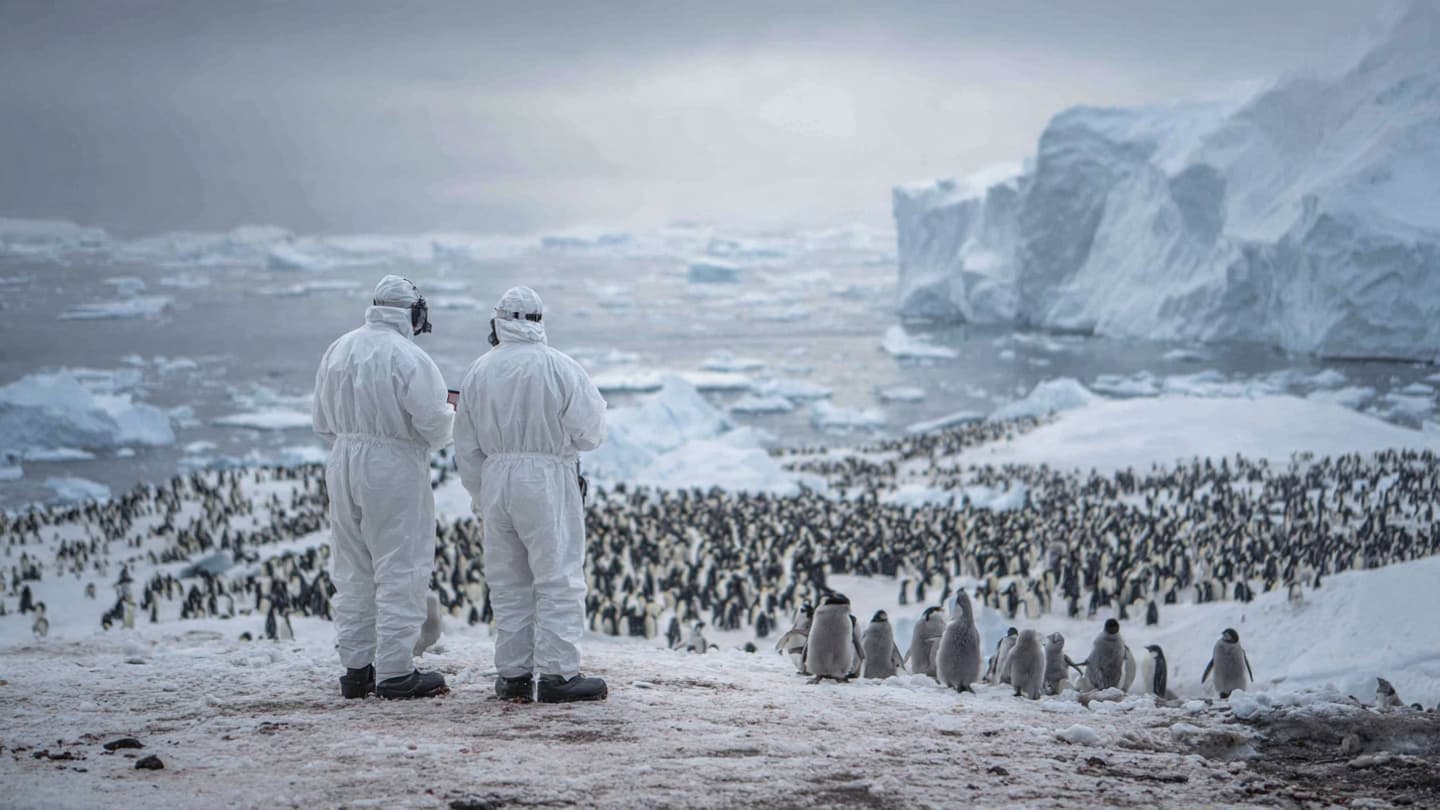
For generations, Antarctica has stood apart from the rest of the world, a distant landscape of ice, wind, and extraordinary wildlife. Often described as Earth's last great wilderness, the continent has remained insulated from many of the ecological pressures affecting other regions. That isolation is now facing a profound challenge.
Highly pathogenic avian influenza, commonly known as bird flu, has reached Antarctica, raising concerns among scientists about the vulnerability of seabird and marine mammal populations. Researchers have confirmed infections in wildlife across parts of the Antarctic region, marking a significant development in the global spread of the virus.
The H5N1 strain has already affected bird populations on multiple continents, causing mass mortality events among wild birds and outbreaks in domestic poultry. Scientists warn that Antarctica's densely populated colonies of penguins, skuas, albatrosses, and other seabirds may be especially susceptible.
Researchers believe migratory birds likely introduced the virus into the Antarctic ecosystem. Many species travel vast distances between continents, creating pathways for disease transmission across previously isolated environments.
Scientific teams operating in Antarctica have strengthened biosecurity measures to reduce the risk of human-assisted transmission. Researchers and tourists are being asked to follow strict decontamination protocols for clothing, footwear, and equipment before entering wildlife areas.
Conservation experts caution that controlling the spread of avian influenza in wild ecosystems is exceptionally difficult. Unlike outbreaks in domestic animals, wildlife populations move freely across extensive and remote habitats.
The arrival of bird flu in Antarctica has also intensified discussions about the broader health of global ecosystems. Scientists say climate change, habitat disruption, and increasing human activity can influence disease dynamics in wildlife populations.
While complete containment may not be possible, researchers emphasize that monitoring, international cooperation, and rigorous biosecurity measures remain essential tools for limiting the virus's impact on one of Earth's most unique environments.
AI Image Disclaimer: Some visual elements used with this article are AI-generated for illustrative purposes only.
Sources: Reuters, Scientific American, British Antarctic Survey, World Organisation for Animal Health, Nature
Note: This article was published on BanxChange.com and is powered by the BXE Token on the XRP Ledger. For the latest articles and news, please visit BanxChange.com