
Religious freedom has long occupied a central place in American public life, extending even behind prison walls. Yet questions about how those protections are enforced continue to reach the nation's highest court, where legal principles and personal experiences often intersect in complex ways.
The U.S. Supreme Court ruled that a former Louisiana inmate and devout Rastafarian could not pursue monetary damages against prison officials who forcibly shaved his dreadlocks in violation of his religious beliefs. The case centered on Damon Landor, whose faith requires him to allow his hair to grow uncut.
Landor had entered the Louisiana prison system carrying documentation from an earlier court ruling that protected the religious practices of Rastafarian inmates. According to court records, officials at one facility nonetheless restrained him and shaved his head during his incarceration in 2020.
In a 6-3 decision, the Supreme Court concluded that the federal Religious Land Use and Institutionalized Persons Act, commonly known as RLUIPA, does not authorize lawsuits seeking monetary damages from individual prison employees. Justice Neil Gorsuch wrote the majority opinion.
The Court emphasized that while Congress created protections for incarcerated individuals' religious rights, it did not clearly authorize personal financial liability for state employees under the statute. The ruling upheld decisions previously reached by lower courts.
Justice Ketanji Brown Jackson authored a dissent joined by the Court's other liberal justices, arguing that the ruling weakens meaningful enforcement of religious protections for prisoners. Civil rights advocates similarly expressed concern about the decision's broader implications.
Louisiana officials noted during the litigation that prison grooming policies have since been revised to prevent similar incidents. The Justice Department had supported Landor's effort to revive his case.
Although the Court's decision ends Landor's federal damages claim against individual officials, debates over religious liberty, prisoner rights, and legal remedies are likely to continue in future cases.
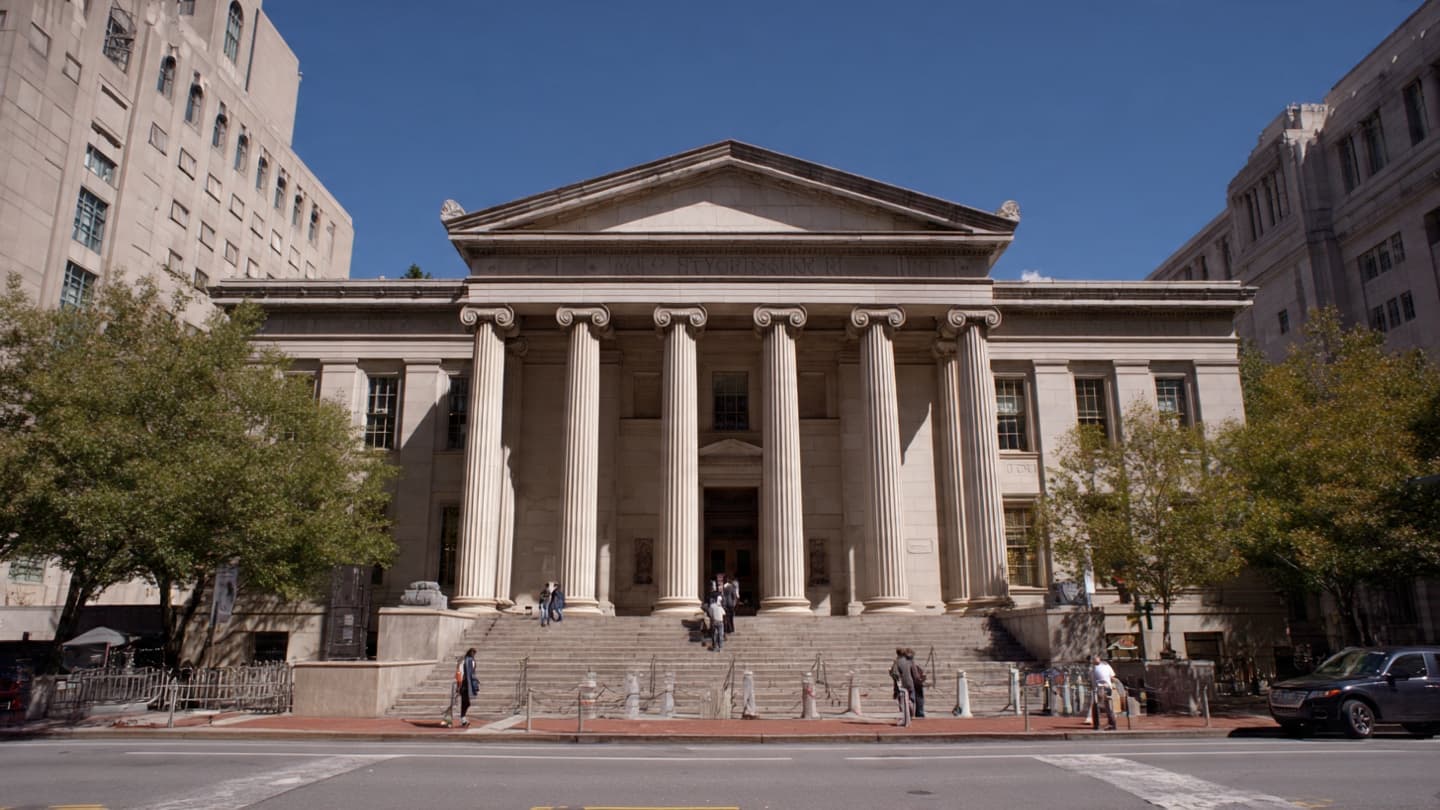
AI Image Disclaimer: The visual elements accompanying this article are AI-generated and provided solely for illustrative purposes.
Sources (verification check): Reuters, Associated Press, ABC News, Supreme Court filings
Note: This article was published on BanxChange.com and is powered by the BXE Token on the XRP Ledger. For the latest articles and news, please visit BanxChange.com