Ice appears so familiar that it is easy to overlook the complexity behind its formation. From frozen lakes and glaciers to snowflakes drifting through winter skies, ice is woven into countless natural processes. Yet scientists continue to uncover details about how this common substance first emerges from liquid water.
Recent research has provided new insight into the microscopic events that occur during ice formation. The findings help clarify questions that have challenged scientists for decades, particularly regarding the earliest stages of freezing.
At the molecular level, water behaves in remarkably dynamic ways. Individual molecules constantly move and interact, creating patterns that eventually determine whether liquid water remains stable or transitions into ice.
One of the central mysteries involves nucleation, the process through which the first stable ice structures begin to form. This stage occurs on extremely small scales and can be difficult to observe directly.
Advances in imaging technology and computer simulations have allowed researchers to study these processes with greater precision than ever before. The resulting data provide a clearer picture of how molecular arrangements evolve during freezing.
Understanding ice formation carries practical significance. The process influences weather systems, climate behavior, aviation safety, food preservation, and numerous industrial applications.
Climate scientists are particularly interested in how ice behaves under varying environmental conditions. Improved knowledge may contribute to more accurate climate models and weather forecasts.
The research also highlights the value of fundamental science. Investigating seemingly ordinary phenomena often leads to discoveries that improve understanding across multiple disciplines.
Although ice has been studied for generations, it continues to reveal new details about the natural world. The latest findings demonstrate that even familiar substances can hold unanswered questions waiting to be explored.
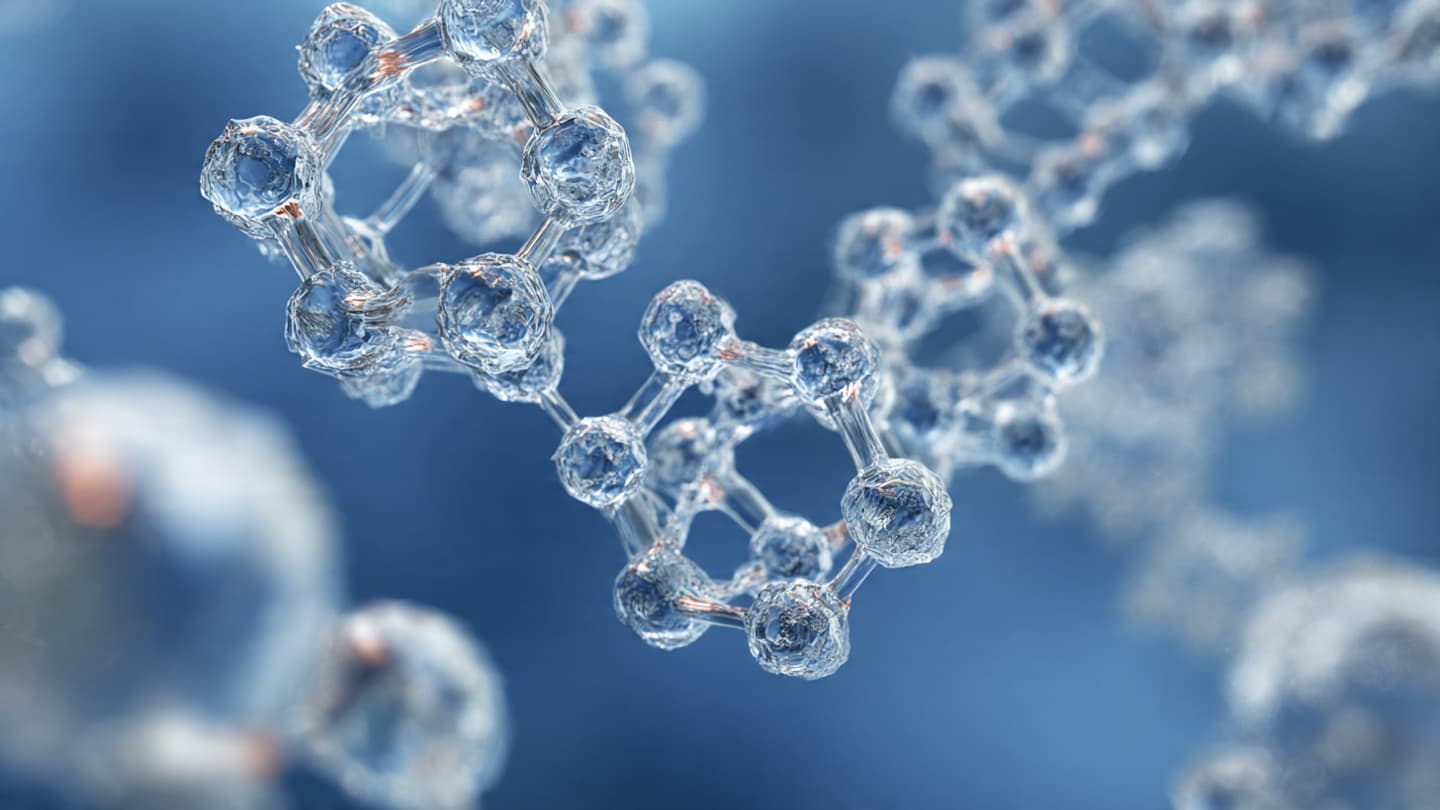
AI Image Disclaimer: The accompanying image is AI-generated and serves only as a visual interpretation of the scientific concepts described.
Source Verification Check: Nature, ScienceDaily, Live Science, Scientific American, Physics Today
Published by Banx Network. This article is part of the Banx decentralized media programme, powered by the BXE token on the XRP Ledger.