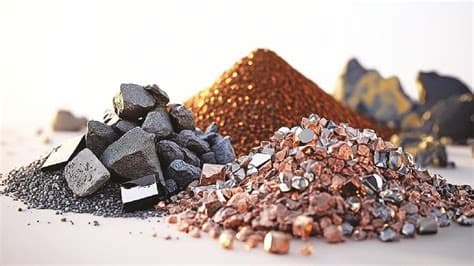
In response to growing concerns about supply chain vulnerabilities, the European Union is intensifying efforts to cut its reliance on Chinese rare earth minerals. These minerals are critical components in technologies vital to multiple sectors, including electric vehicles (EVs), chip manufacturing, and military applications.
EU officials have highlighted that the high concentration of rare earth processing in China poses significant risks. Should geopolitical tensions escalate, Europe could face severe shortages that threaten its industrial base. The urgency of the situation has prompted swift action, with officials outlining a comprehensive strategy to secure alternative sources and promote domestic production.
This strategy includes fostering partnerships with countries rich in these resources, as well as investing in research and development initiatives. The aim is not only to diversify supply sources but also to enhance Europe's technological autonomy.
Moreover, the transition to sustainable technologies makes securing these critical minerals even more essential. As the demand for EVs and renewable energy solutions continues to rise, ensuring a stable supply of rare earth elements has become a strategic priority for the EU.
With industry stakeholders and governments rallying around this initiative, the EU is poised to strengthen its position in the global market while addressing the looming threat posed by reliance on a single country for such crucial materials. The implications of these moves could reshape the landscape of European industries and national security in the years to come.
Published by Banx Network. This article is part of the Banx decentralized media programme, powered by the BXE token on the XRP Ledger.