
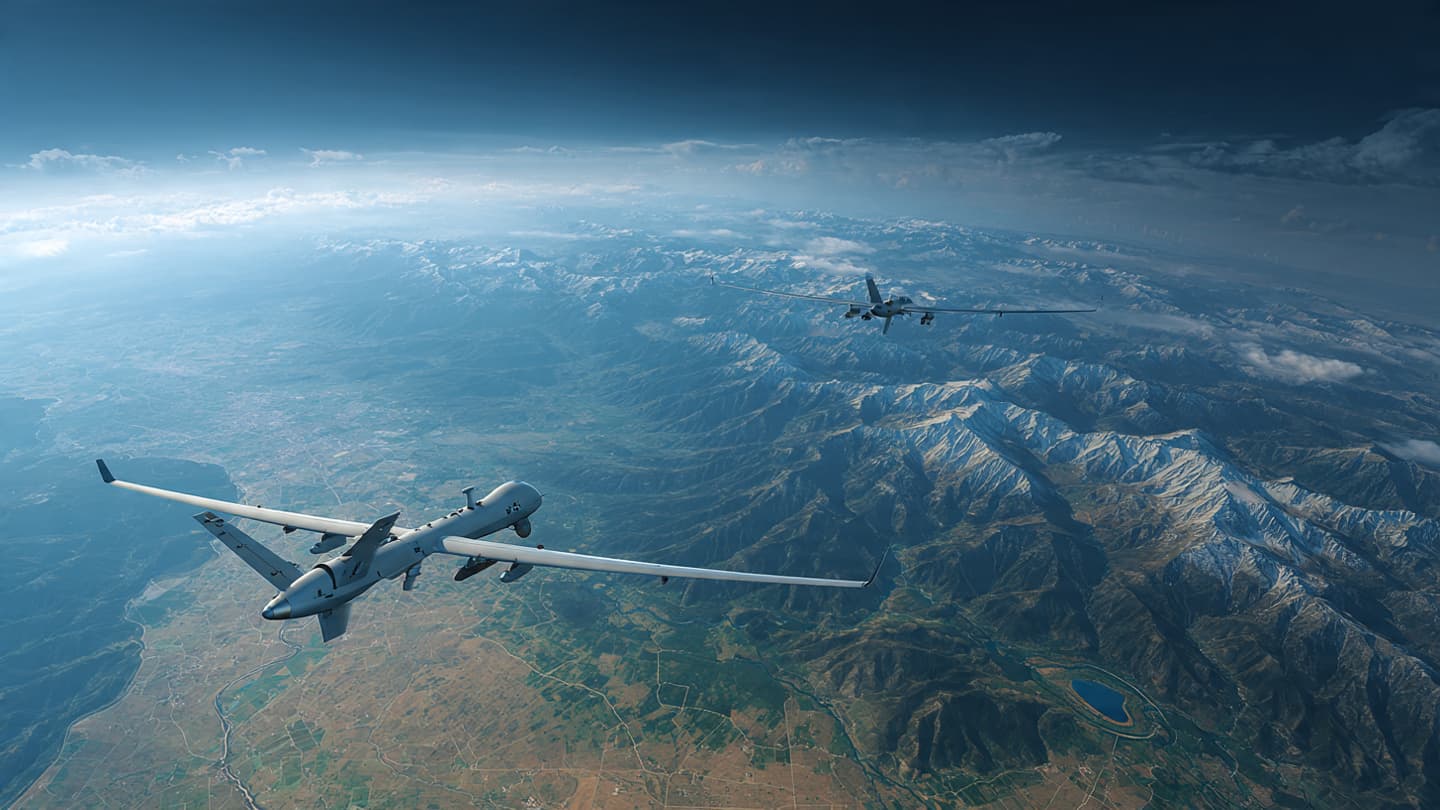
Across Europe, security concerns increasingly arrive not only through armies or declarations, but through brief movements in the sky — drones crossing borders, testing air defenses, and unsettling nearby communities. These incidents, though often short in duration, carry political weight far beyond their size. European Commission President Ursula von der Leyen recently underscored that concern by declaring that “Europe will respond” to repeated Russian drone incidents.
Her remarks came amid growing attention to aerial security events linked to the broader conflict surrounding Ukraine. Several European nations bordering areas of heightened military activity have reported drone-related incidents or airspace concerns in recent years.
European officials say such events require coordinated responses because they involve both civilian safety and regional stability. Drone activity near borders can trigger emergency alerts, airspace closures, and military monitoring operations within NATO member states.
Von der Leyen’s comments reflected broader European efforts to strengthen defense coordination and security readiness. Since Russia’s invasion of Ukraine, European governments have expanded military budgets, increased surveillance cooperation, and accelerated investment in air defense systems.
Security analysts note that drones have become central tools in modern conflict because they can perform surveillance, reconnaissance, and attack missions while remaining relatively inexpensive compared with traditional military aircraft.
The repeated appearance of drones near or across sensitive areas has also intensified debates surrounding deterrence and escalation. European leaders continue attempting to balance strong defensive messaging with efforts to avoid wider military confrontation.
Residents in affected regions have occasionally experienced temporary shelter advisories or heightened security procedures following aerial alerts. Such moments have reinforced public awareness of how closely regional conflicts can influence civilian life beyond front lines.
NATO and European Union officials have repeatedly emphasized alliance coordination in response to evolving security threats. Airspace monitoring and rapid-response systems are now considered increasingly important components of regional defense planning.
Von der Leyen did not outline every possible response measure, but her statement reflected Europe’s growing determination to address repeated drone-related incidents collectively. As aerial technology continues reshaping modern conflict, European policymakers appear increasingly focused on ensuring that even small incursions receive serious attention.
AI Image Disclaimer: Certain visuals connected to this report were generated using AI-created editorial imagery.
Sources: Reuters, European Commission statements, BBC, NATO coverage, Associated Press
Note: This article was published on BanxChange.com and is powered by the BXE Token on the XRP Ledger. For the latest articles and news, please visit BanxChange.com