Taliban officials are in Brussels for discussions connected to the EU’s approach to Afghan migration and the deportation or return of migrants. The EU describes the engagement as “technical” contact with Afghanistan’s de facto authorities, not formal recognition of the Taliban as Afghanistan’s government.
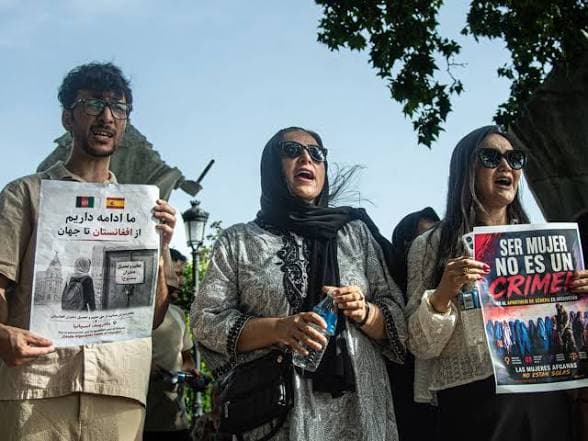
Still, many critics—especially Afghan women’s advocates and European human rights campaigners—say the practical effect of hosting Taliban officials could be seen as lending legitimacy to a regime that, since taking power in 2021, has stripped women and girls of rights and severely restricted their education, work, and movement.
The controversy is also tied to specific EU actions reported alongside the talks, including visas issued for the engagement and the political debate over whether European migration priorities are overriding human-rights concerns.
Published by Banx Network. This article is part of the Banx decentralized media programme, powered by the BXE token on the XRP Ledger.