Trade agreements often arrive as carefully negotiated responses to an uncertain world. Beyond official ceremonies and economic projections lies a broader search for dependable partnerships, especially during periods when global markets feel increasingly shaped by geopolitical tension and shifting alliances. Between Britain and the Gulf region, the latest agreement reflected both economic ambition and strategic timing.
The United Kingdom reached a £3.7 billion trade agreement involving six Gulf states, strengthening economic cooperation with one of the world’s most influential investment regions. British officials described the deal as an important milestone in expanding post-Brexit trade relationships beyond Europe.
The agreement includes Gulf Cooperation Council members Saudi Arabia, the United Arab Emirates, Qatar, Kuwait, Bahrain, and Oman. Cooperation is expected to span sectors such as finance, infrastructure, renewable energy, technology, and logistics.
British policymakers have increasingly focused on building trade ties with rapidly growing economies outside traditional European markets. Analysts noted that Gulf states remain attractive partners because of their large sovereign wealth funds, ambitious development projects, and expanding global investment influence.
For Gulf nations, the partnership aligns with ongoing efforts to diversify economies beyond oil dependence. Across the region, governments have invested heavily in tourism, digital technology, transportation, and renewable energy as part of long-term modernization strategies.
Business organizations in Britain welcomed the agreement, particularly industries connected to financial services and advanced technology. Some economists suggested the arrangement could strengthen investment flows and improve market access for companies operating between the two regions.
At the same time, advocacy groups continued urging governments to balance economic cooperation with broader discussions surrounding labor rights and regional political concerns. Similar debates have accompanied many large-scale trade agreements involving rapidly developing economies.
Observers also noted that modern trade deals increasingly carry geopolitical significance in addition to commercial value. Partnerships are often viewed through the lens of energy security, diplomatic influence, and long-term strategic positioning in a competitive global economy.
Officials from Britain and Gulf states said implementation discussions would continue in the coming months as sector-specific agreements and investment frameworks are finalized.
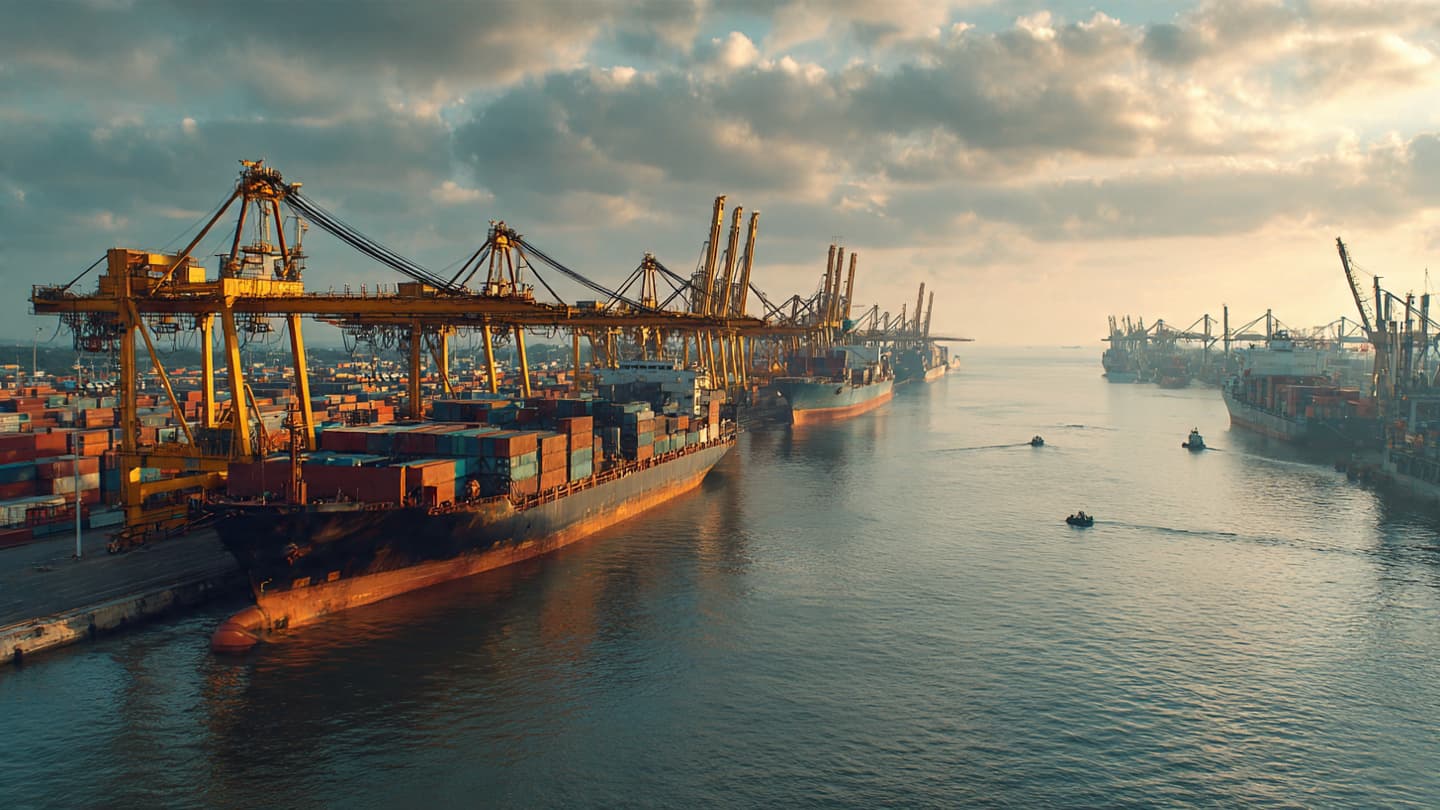
AI-generated image disclaimer: Some accompanying images may include AI-generated representations created to illustrate international trade and economic cooperation.
Sources: Reuters, Financial Times, Bloomberg, BBC News, The Guardian
Published by Banx Network. This article is part of the Banx decentralized media programme, powered by the BXE token on the XRP Ledger.