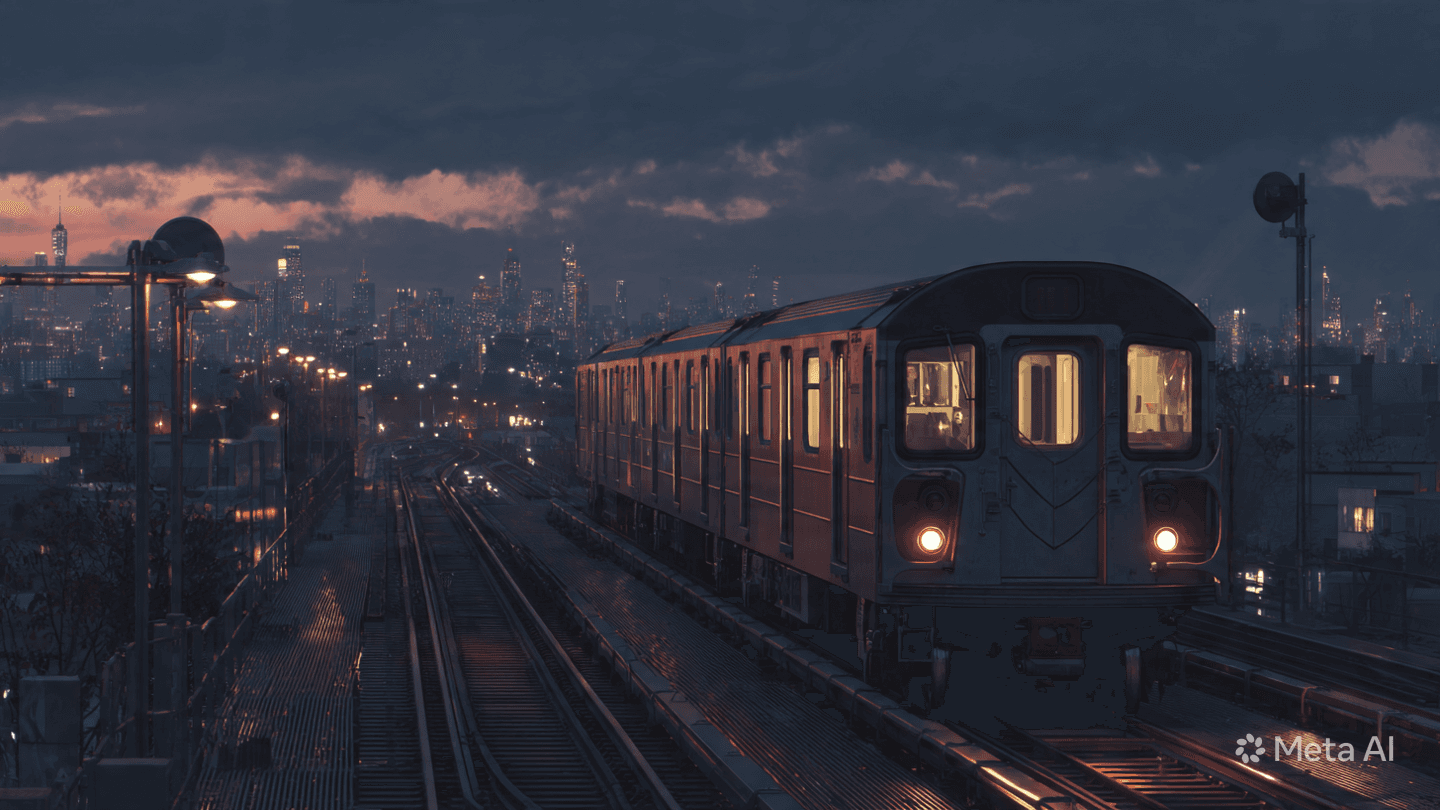
The rhythm of the rails is a constant in the landscape, a steady, humming pulse that connects distant towns and carries the weight of daily life. When that motion is interrupted, the silence that follows carries a profound gravity, forcing a community to confront the fragility of the structures upon which it relies. The recent incident at the Bekasi station stands as a somber reminder of how quickly the expected order of transit can dissolve, leaving behind questions that resonate far beyond the tracks themselves. It is a moment of pause, where the mechanical precision of travel gives way to the human complexity of loss and the slow, methodical process of seeking truth.
In the aftermath of such events, the landscape of the incident—the twisted steel and the disrupted platforms—becomes a site of intensive observation. The investigation that unfolds is not merely a technical audit of gears and signals, but a broader inquiry into the intersection of human action and infrastructure. As authorities sift through the evidence, they are tasked with reconstructing a narrative from the fragments of a single evening. It is an atmospheric labor, where every detail, from the condition of the tracks to the decision-making of operators, is held up to the light in hopes of finding clarity in the debris.
The tragedy in West Java, which drew a definitive line through the lives of those on board, has prompted a wide-ranging examination by transportation officials and law enforcement. This process is inherently deliberate, marked by a commitment to transparency that acknowledges the weight of public trust. The focus extends to the state railway operators and private entities, scrutinizing the complex interplay of systems that should, in theory, operate with seamless harmony. It is a reflection of a society that, while reliant on technology, remains deeply sensitive to the human consequences when that technology fails.
What emerges during these investigations is often a stark reminder of the variables that exist outside of any singular control. The stalled vehicle at the crossing, the emergency stop of a commuter line, and the subsequent collision—each element is a link in a chain of events that unfolded with tragic speed. By analyzing these occurrences through a scientific framework, investigators aim to strip away speculation and uncover the root failures. It is a cold, analytical process applied to an emotional landscape, seeking to provide answers to a grieving public.
The impact of this incident on the commuting culture is palpable, turning the familiar ritual of the train journey into a space of heightened awareness. For many, the daily transit has become a reflection of the inherent risks we accept every day, and the current investigation serves to validate that caution. There is a collective hope that the findings will not only assign responsibility where it is due but also highlight necessary improvements to infrastructure, such as signal systems and crossing safety, that have perhaps been taken for granted.
Infrastructure, in its silent, iron-clad way, is often the unseen guardian of our mobility. When it fails, the conversation inevitably turns toward the adequacy of safety measures—the presence of barriers, the quality of personnel training, and the integrity of the technology itself. The current inquiry is tasked with evaluating these physical safeguards against the pressures of modern, high-volume transport. It is a necessary confrontation, forcing a re-evaluation of how well our existing systems can accommodate the demands of a growing and bustling region.
The role of the investigators is thus one of quiet, methodical diligence. They operate within the space between the incident and the future, their work intended to prevent the recurrence of such a tragedy. As they navigate the complexities of electrical failures and operational timing, their goal remains focused on the structural integrity of the entire system. It is a process of translation, turning the confusion of the accident into a legible set of guidelines that can inform safer practices in the years to come.
As the final reports take shape and the public discourse evolves, the event at Bekasi will likely remain a turning point. The focus remains on a comprehensive approach to safety that respects the lives affected while fostering a more secure environment for those who continue to rely on the rails. It is a slow, often painful journey toward understanding, but one that is essential for the restoration of faith in the systems that connect us. The goal is a return to a landscape where the motion of travel is once again a source of reliability, underscored by the lessons learned from this period of intense scrutiny.
On April 27, 2026, a multi-train collision occurred in Bekasi, West Java, resulting in 16 fatalities and dozens of injuries. The Indonesian National Police Traffic Corps is currently leading a scientific investigation into the incident, which involved a stalled taxi at a level crossing followed by a secondary collision between a commuter train and an intercity express. Authorities are reviewing infrastructure, including signaling and gate barriers, as well as operational procedures. The investigation remains ongoing as officials work to determine the root cause and implement future safety measures.
Published by Banx Network. This article is part of the Banx decentralized media programme, powered by the BXE token on the XRP Ledger.