
There are periods in history when a particular technology moves beyond being merely useful and begins to redefine entire industries. Electricity once transformed manufacturing. The internet reshaped communication and commerce. Today, many observers believe artificial intelligence is entering a similar phase, gradually becoming an essential layer beneath economic activity. In France, that belief is increasingly reflected in investment strategies designed to position the country at the forefront of technological change.
The growing emphasis on artificial intelligence stems from its potential to influence nearly every sector of the economy. From healthcare and finance to transportation and manufacturing, AI technologies are being integrated into systems that improve efficiency, enhance decision-making, and create new opportunities for innovation. Rather than viewing AI as a specialized field, policymakers and business leaders increasingly see it as foundational infrastructure for future growth.
France has spent recent years building an environment intended to support technological development. Universities, research institutions, startups, and established corporations have all contributed to the expansion of the country's innovation ecosystem. Investments directed toward artificial intelligence represent an effort to strengthen these capabilities while attracting additional talent and capital from around the world.
The global race for leadership in AI continues to intensify. Countries across Europe, North America, and Asia are investing heavily in research, computing infrastructure, and workforce development. Against this backdrop, France seeks not only to participate but also to establish itself as a significant contributor to the next generation of technological advancement.
Startups have become an important part of this strategy. Young companies often serve as laboratories for experimentation, developing solutions that address practical challenges in areas such as cybersecurity, automation, and data analysis. By supporting entrepreneurial activity, France hopes to accelerate innovation while creating pathways for economic expansion.
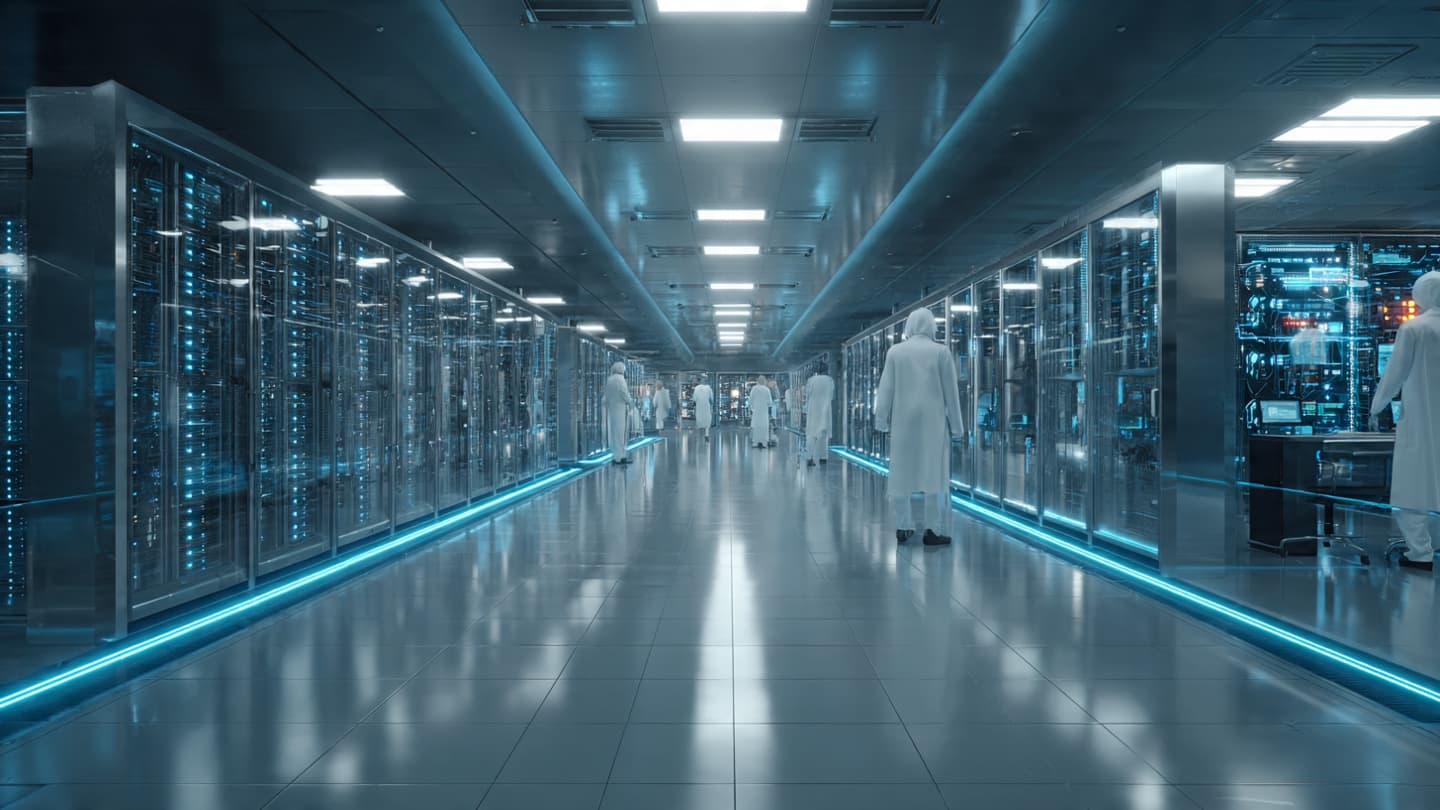
Large corporations are also playing a critical role. Businesses increasingly rely on artificial intelligence to improve productivity, optimize operations, and develop new products. Investments in AI infrastructure, including data centers and advanced computing systems, are expected to provide the resources necessary for future technological breakthroughs.
The conversation extends beyond economics. Artificial intelligence raises important questions regarding ethics, privacy, transparency, and workforce transformation. Policymakers continue working to balance innovation with responsible governance, ensuring that technological progress occurs in a manner that benefits society as a whole.
Education remains another essential component of the strategy. Universities and training institutions are expanding programs designed to prepare students for careers involving data science, machine learning, and advanced digital technologies. Developing skilled talent is widely regarded as one of the most important factors in sustaining long-term competitiveness.
While the future of artificial intelligence remains difficult to predict with certainty, its influence continues to expand. New applications emerge regularly, transforming activities that once relied entirely on human effort. The pace of change may vary across industries, but few sectors are expected to remain untouched by the technology's evolution.
As France increases its commitment to AI-related investment, the country joins a broader global movement toward a more digitally driven economy. The algorithms themselves may remain invisible to most people, yet their impact is becoming increasingly visible in the products, services, and innovations shaping everyday life. In many ways, the story of artificial intelligence is no longer about the future alone—it is becoming part of the present.
AI Image Disclaimer: Graphics are AI-generated and intended for representation, not reality.
Sources: Reuters, Business France, Bloomberg, CNBC, Modern Ghana.
Note: This article was published on BanxChange.com and is powered by the BXE Token on the XRP Ledger. For the latest articles and news, please visit BanxChange.com