
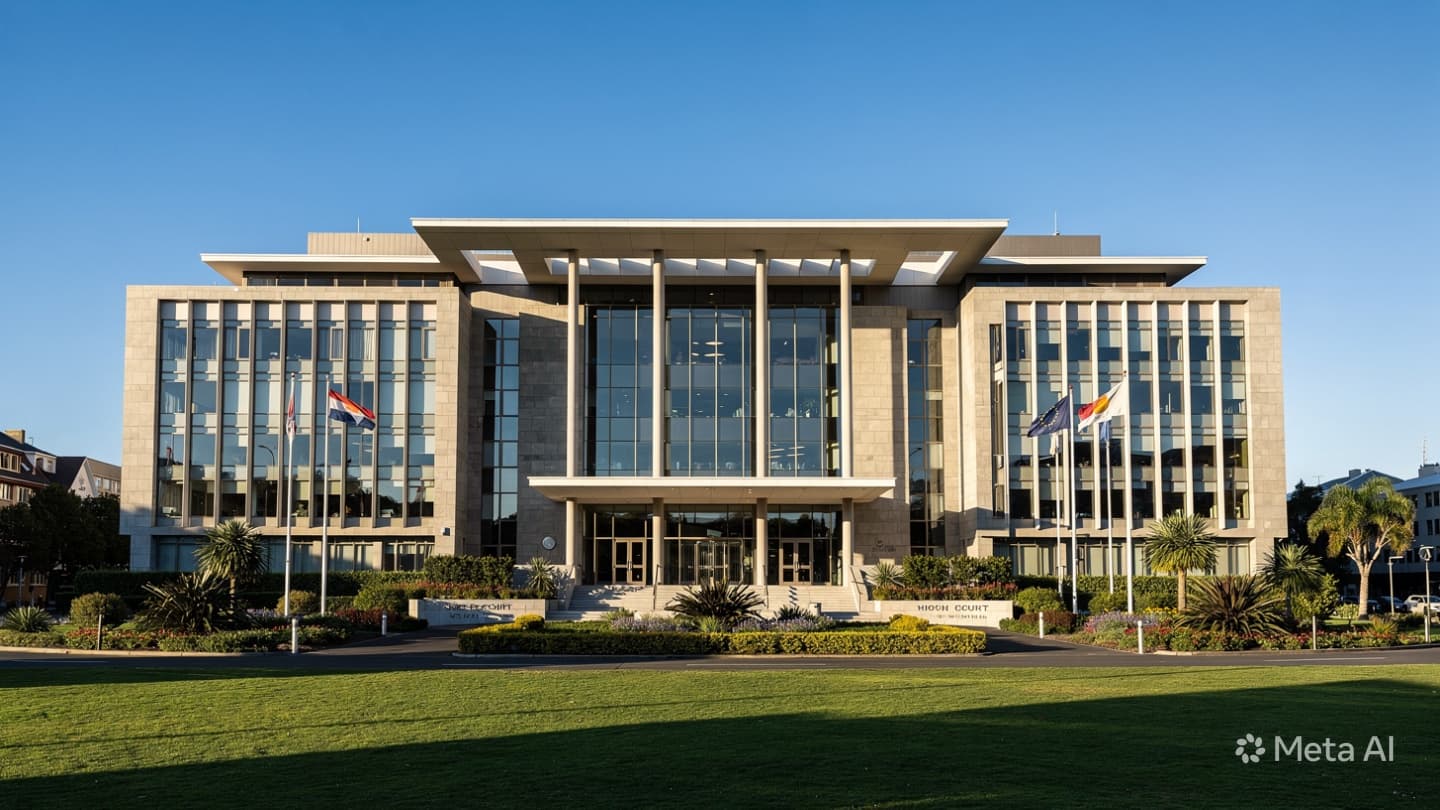
The halls of justice are constructed to be spaces of absolute formality, where emotion is tempered by precedent and the steady application of the law. Within these rooms, the architecture itself suggests a permanence designed to withstand the turbulent shifts of human feeling. The language used is precise, stripped of hyperbole, and focused entirely on the boundaries of statutory interpretation. It is here that the most profound societal wounds are brought to be examined, weighed, and ultimately addressed within a framework of order.
The rejection of a legal appeal represents a definitive moment in a process that has occupied the public consciousness for years. For a nation that watched a historic tragedy unfold, the judicial proceedings have served as a formal echo of an initial shock. The legal system, by design, moves slowly, allowing for every avenue to be explored before arriving at a final destination. When that destination is reached, it brings a sense of structural finality, even if the emotional landscape remains complex.
The events that took place in Christchurch several years ago left an indelible mark on the community, redefining notions of safety and inclusion. The subsequent legal journey has been followed closely by those who lost loved ones, as well as by the wider public seeking assurance. A court’s refusal to grant a further hearing is a reaffirmation of the initial judgment, a statement that the legal parameters have been correctly applied. It closes a procedural chapter, allowing attention to shift back to the ongoing work of community remembrance.
In the quiet aftermath of a judicial decision, there is rarely celebration; instead, there is a collective, somber realization of the permanence of what has passed. The families affected by the tragedy continue to carry a burden that no court ruling can fully alleviate. The role of the legal system is not to heal wounds, but to provide a consistent framework of accountability that allows society to function. The finality of the ruling provides a stable foundation upon which the community can continue to rebuild its sense of peace.
Legal scholars often view these high-profile decisions as markers of a legal system's resilience under intense scrutiny. The preservation of due process, even in the face of unprecedented actions, is central to the integrity of the judiciary. By ensuring that every step of the appeal process was handled in strict accordance with the law, the courts demonstrate the strength of democratic institutions. This adherence to protocol ensures that the final outcome stands as a robust expression of justice.
The response from the community is often one of quiet relief, a shared understanding that the formal legal debates have concluded. Attention can now remain focused on the values that emerged in the wake of the tragedy—unity, compassion, and a commitment to diversity. The physical sites of remembrance continue to serve as focal points for reflection, drawing visitors who wish to honor the memory of those lost. The legal finality allows these spaces of healing to take precedence over the conflict of the courtroom.
As the news of the court's decision spreads, the daily life of the city continues, unchanged in its outward appearance but subtly reinforced in its structural stability. The passage of time does not erase the memory of the event, but it alters how the community engages with it. The shift from active legal proceedings to historical memory is an important step in the long journey of recovery for a city that has known profound sorrow.
The New Zealand Court of Appeal has officially rejected an appeal bid by the individual convicted of the Christchurch mosque shootings. The judicial panel determined that there were no legal grounds to justify a review of the conviction or the sentence of life imprisonment without parole. The decision marks the conclusion of the formal appeals process available to the convict within the domestic legal system. Representatives of the victims' families expressed a sense of relief at the ruling, noting that it brings a definitive end to the legal proceedings surrounding the tragedy
Note: This article was published on BanxChange.com and is powered by the BXE Token on the XRP Ledger. For the latest articles and news, please visit BanxChange.com

.jpg&w=3840&q=75 "Highway Multi-Car Collision: Two Dead And Six Injured In Massive Ruta 5 Southbound Pileup")