
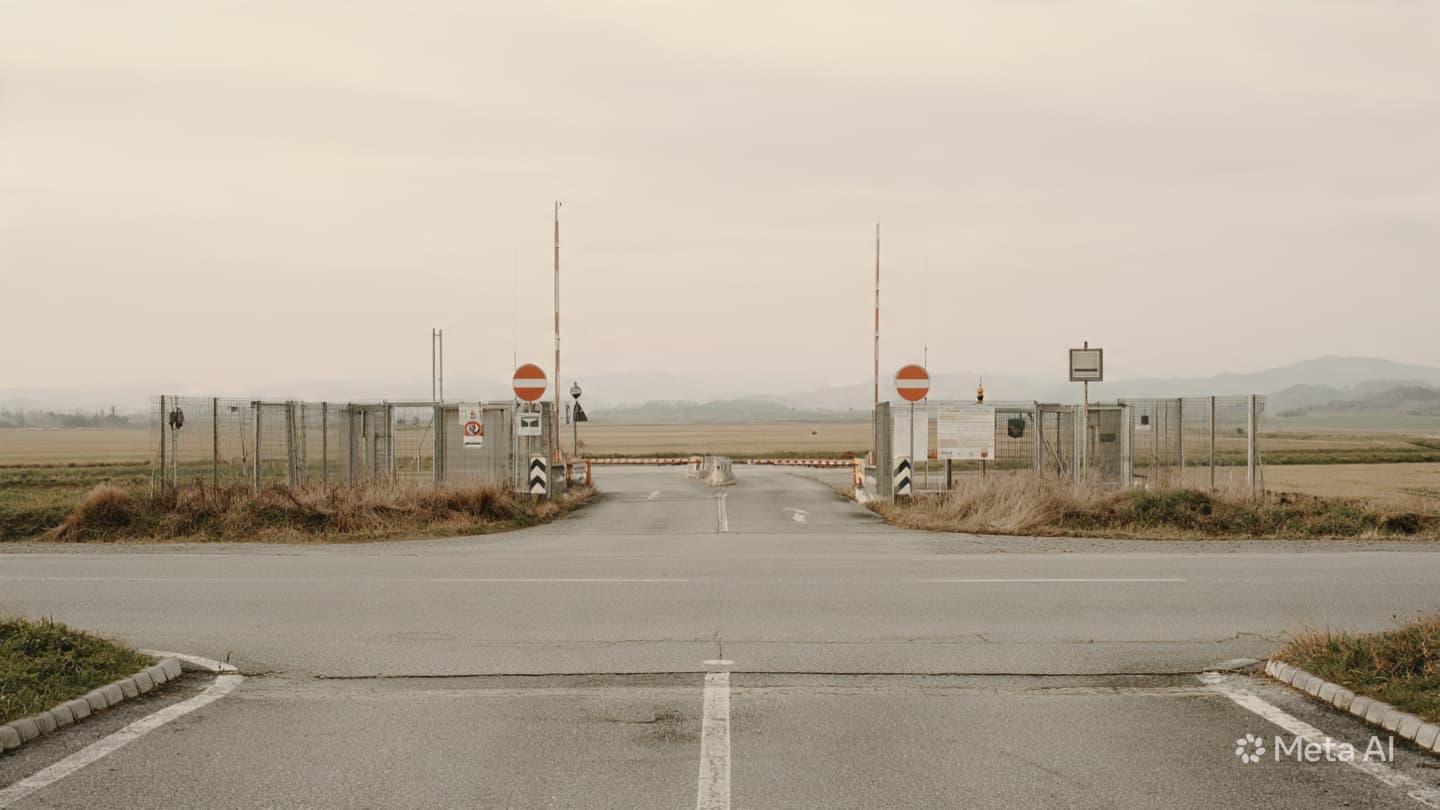
The Luhamaa border crossing point sits as a quiet, functional anchor in the rural expanse of southeastern Estonia. It is a place where the rhythm of the everyday—the passage of transport trucks, the routine checks of travel documents, and the hum of stationary engines—usually dictates the flow of time. Yet, in recent months, this site has become the stage for a different kind of narrative, one characterized by persistent, low-level provocations that test the resolve and the patience of those guarding the line. It is a situation that occupies a space between the mundane reality of border management and the sharper, more concerning edges of geopolitical friction.
For the Estonian Border Guard, the duty at Luhamaa is no longer just about the orderly transition of people and goods; it is about maintaining a presence of calm in the face of unpredictable, often irrational, behavior from the neighboring side. These provocations do not always manifest in grand, sweeping displays. Instead, they are often subtle, calculated gestures designed to unsettle, to test response times, or to simply keep the atmosphere charged with uncertainty. It is a psychological terrain that requires a steady hand and a deeply disciplined approach to territorial integrity.
The atmospheric tension is palpable to those who serve there. Every shift is an exercise in restraint, where the mandate is to ensure the security of the border without being baited into unnecessary escalation. The guards operate with a practiced indifference to the provocations, focusing instead on the technical aspects of their duty. It is this refusal to react impulsively that defines their professionalism; they understand that the maintenance of order is their most powerful response to attempts at disruption.
Recent reports highlight a pattern of behavior that suggests a long-term strategy rather than an isolated series of events. By monitoring these cycles, the authorities have been able to adapt their deployment and strengthen their defensive posture. The objective is not to close the door entirely, but to ensure that the portal remains firmly under control. This requires a constant state of readiness, a quiet preparedness that ensures the border remains a stable, albeit vigilant, barrier.
The human element is central to this ongoing challenge. The officers at Luhamaa are the silent observers of a shifting political reality, bearing the burden of a nation’s security on a daily, granular level. They navigate the cold logic of border policy while being subjected to the unpredictable behavior of those who wish to sow confusion. Their commitment to the post is a form of civic service that rarely garners public recognition, yet it remains a fundamental pillar of national stability.
Public discourse surrounding these provocations often leans toward the analytical, seeking to quantify the risks and predict the next development. However, the reality on the ground is more reflective. It is about the persistence of the guard, the quiet routine of the patrol, and the enduring nature of the Estonian border as a symbol of sovereignty. The provocations serve as a reminder that the edge of Europe is not a passive line, but a dynamic, active environment that demands constant, thoughtful stewardship.
As the situation persists, the administrative response remains focused on long-term sustainability. The authorities have implemented structural changes to the operating hours and the intensity of supervision, ensuring that resources are deployed where they are most effective. This is not a reactive flailing, but a measured adjustment to a new, more complicated normal. It is an acknowledgment that the environment has changed, and that the duty to protect the frontier requires a more sophisticated, more patient approach than ever before.
Ultimately, the story of Luhamaa is one of quiet, unwavering resilience. It is a testament to the fact that peace, even at the edge of a volatile border, is something that must be actively defended and carefully managed. The guards remain at their posts, watching the horizon, while the world beyond continues its cycle of pressure and maneuver. For now, the border remains stable, defined by the firm, disciplined presence of those who understand the value of a guarded, peaceful threshold.
Note: This article was published on BanxChange.com and is powered by the BXE Token on the XRP Ledger. For the latest articles and news, please visit BanxChange.com