
Key Highlights
- Two tropical storms, Mekkhala and Higos, are approaching Japan's southern coast.
- Authorities report rising water levels and injuries due to flooding in affected areas.
- Major transport disruptions include the grounding of 120 flights and halted production at key automotive plants.
Japan is currently facing a significant weather crisis as two tropical storms, Severe Tropical Storm Mekkhala and Tropical Storm Higos, approach the southern coast of the archipelago. The Japan Meteorological Agency has issued warnings about the potential convergence of these storms, which could lead to unpredictable atmospheric conditions and complicate evacuation efforts for residents in the affected regions.
Heavy rainfall has already begun to impact southern and western Japan, with local infrastructure struggling to cope with the deluge. Reports from Kyoto and Osaka indicate that major rivers are rising rapidly, posing a serious flood risk. The ground in these areas is already saturated from weeks of seasonal rain, increasing the likelihood of flash floods and landslides.
In the early stages of the storm, four individuals sustained injuries in Kagoshima, where flooding has inundated numerous buildings. Emergency responders are facing challenges in reaching those trapped in remote areas, highlighting the urgency of the situation. Local authorities are working tirelessly to ensure the safety of residents and provide necessary assistance.
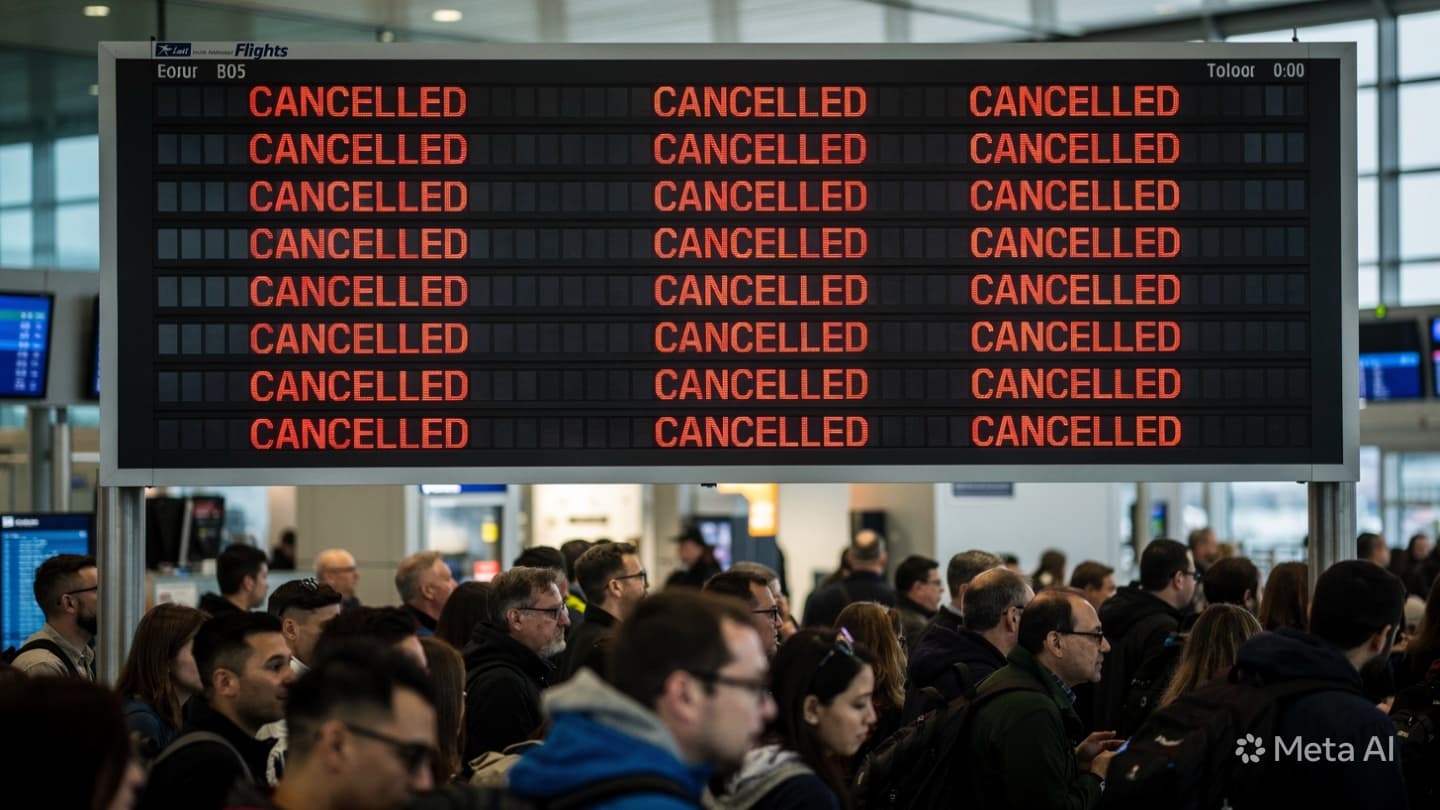
Transport networks have been severely affected, with Japan Airlines and All Nippon Airways grounding 120 flights primarily affecting routes to and from Okinawa and Kagoshima. Passengers are left stranded in terminals as the weather conditions continue to worsen, creating a logistical nightmare for travelers.
The automotive industry is also feeling the impact of the storms. Toyota has halted production at a key plant in Kyushu due to road closures, while Nissan has announced similar measures to protect its workforce and inventory. The disruption in industrial output across the southern corridor is expected to have broader economic implications as the storms progress.
Government spokesman Minoru Kihara held a press briefing this morning, confirming that the government is collaborating with local municipalities to prioritize emergency disaster measures in the hardest-hit areas. However, he refrained from providing a long-term forecast for the storms' paths, emphasizing the fluidity of the situation.
In addition to the civilian response, the Japanese military has adjusted its operations. A planned maiden flight for a V-22 Osprey aircraft, part of joint defense exercises with the United States, was canceled due to safety concerns as wind speeds reached unprecedented levels for this season.
Meteorologists are closely monitoring the Fujiwhara effect, which could lead to the merging of the two storms. If this occurs, the combined strength of Mekkhala and Higos could result in a significantly more destructive event than initially anticipated. As the situation develops, officials remain on high alert for potential flash floods and landslides, urging residents to stay informed and prepared for the worst.
Published by Banx Network. This article is part of the Banx decentralized media programme, powered by the BXE token on the XRP Ledger.



