
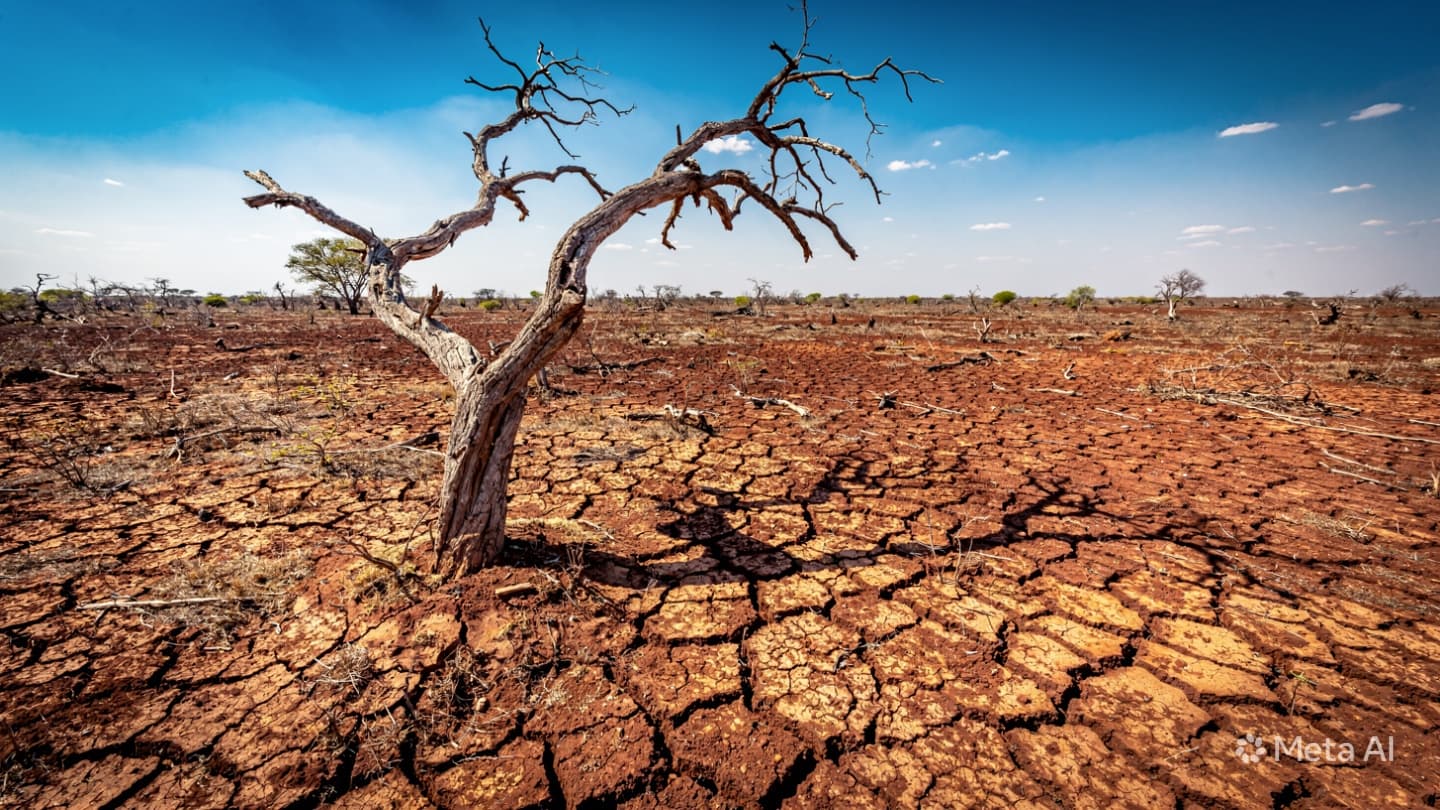
Luanda, Angola—A persistent and severe drought has pushed rural communities in southern Angola to the edge of survival. Health facilities in provinces like Cunene, Huíla, and Namibe are reporting a sharp increase in fatalities linked directly to prolonged malnutrition. The lack of rain for consecutive seasons has decimated both harvests and livestock.
Agricultural dependency means that the failure of crops has stripped these communities of their primary food source. With local reserves completely exhausted, thousands of households are now reliant on limited food aid that is struggling to reach the most remote districts. The situation is increasingly defined by a lack of dietary diversity and chronic resource scarcity.
Mobile health teams operating in these areas have documented high rates of severe acute malnutrition among children under the age of five. The physical toll on these vulnerable individuals is often irreversible, affecting their development and long-term health prospects. Doctors report that many patients are arriving at clinics too weakened for recovery.
The drought has not only affected food supplies but has also severely limited access to potable water. Families are forced to walk long distances to reach boreholes that are often dry or contaminated. This search for water and food has led to widespread migration, with many individuals leaving their homesteads in search of assistance.
State authorities and international partners are working to conduct nutritional surveys to assess the true scale of the crisis. However, the vast geography of the southern provinces makes consistent monitoring difficult. Reliable data is often delayed, which in turn hampers the ability of planners to distribute aid efficiently.
Market conditions have exacerbated the hunger by driving up the price of the few staples that remain available. For families with no income, these market prices are inaccessible. The economic shock is compounding the physical health crisis, leading to a breakdown in the traditional support structures of rural society.
Humanitarian organizations are warning that without a significant increase in international funding, the fatality rate will continue to climb. They emphasize that short-term relief is only a temporary fix; the region requires long-term investment in drought-resistant agriculture and water management to mitigate future shocks.
Government officials maintain that they are mobilizing all available domestic resources to aid the hardest-hit provinces. Yet, the sheer scale of the environmental disaster continues to outstrip available support. The immediate reality for those in southern Angola remains one of extreme deprivation.
Note: This article was published on BanxChange.com and is powered by the BXE Token on the XRP Ledger. For the latest articles and news, please visit BanxChange.com