
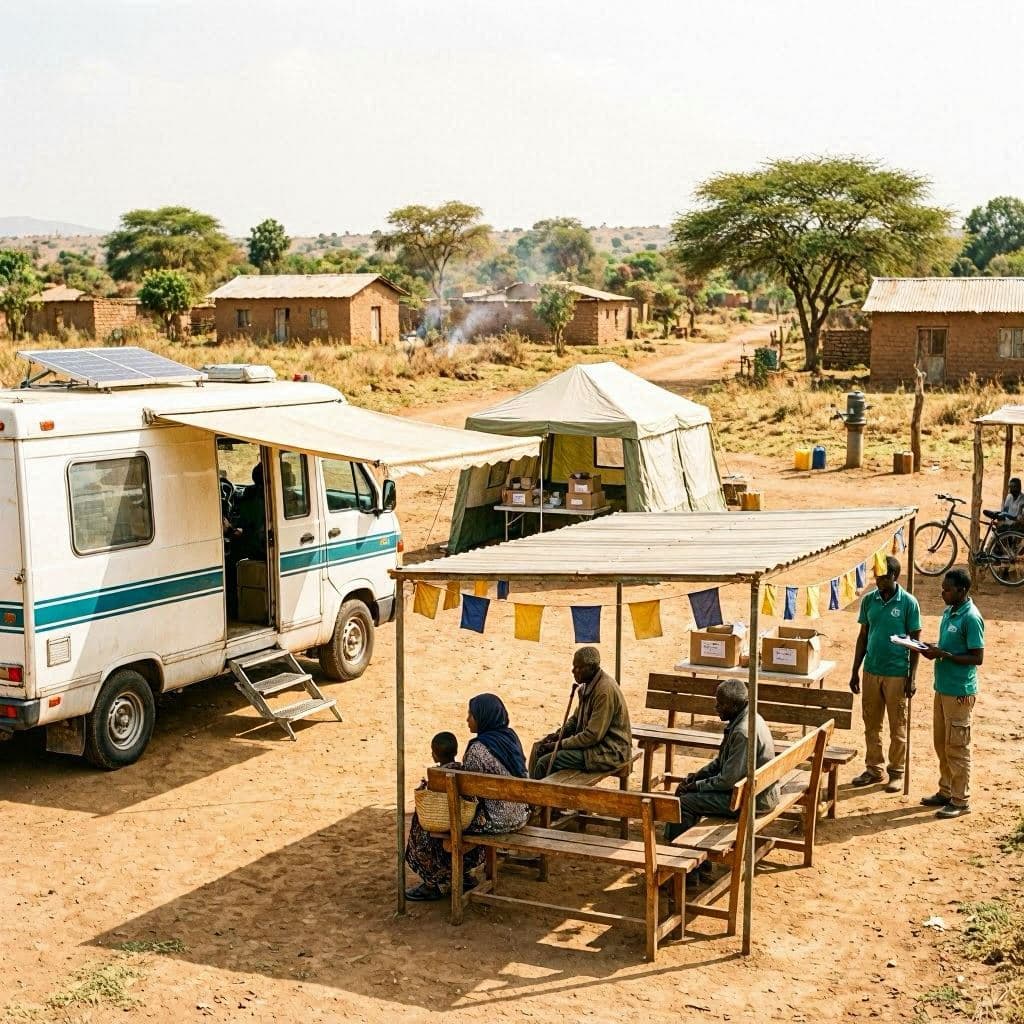
Like a storm moving slowly across difficult terrain, Ebola outbreaks in the Democratic Republic of the Congo unfold with both known patterns and unique challenges—test‑proven response systems meeting the realities of distance, terrain, and community trust . Authorities have reported a cumulative total of 1 307 confirmed cases and 377 deaths in the current outbreak, figures that reflect both the scale of transmission and the strain placed upon care networks . According to the Ministry of Public Health, the numbers represent laboratory‑confirmed cases across several affected zones, with additional probable and suspected cases still under investigation . The case‑fatality rate stands at roughly 29 percent—lower than some past episodes but still severe enough to demand full and coordinated action . The virus type identified is the Bundibugyo strain, which can spread through close contact with infected persons or their bodily fluids, as well as through unsafe burial practices . Response teams are working in parallel lines: isolating patients early, tracing every known contact for at least 21 days—the longest incubation period—and delivering treatment at specialized centers where intravenous fluids, fever control, and supportive care improve survival chances . Vaccines effective against this and related strains are being deployed rapidly to health workers, contacts, and high‑risk groups, helping create protective rings around transmission chains . Challenges remain significant: many communities are far from paved roads and permanent clinics, slowing both surveillance and care; insecurity in some areas can hinder safe movement of teams; and overcoming lingering misunderstandings requires steady, respectful dialogue with local leaders and families . When communities understand the disease and participate actively—reporting illness early and adopting safe practices—control becomes far more efficient . International partners—including the World Health Organization, Africa CDC, and Centers for Disease Control and Prevention—are supporting the national effort through training, logistics, laboratory capacity, and cross‑border coordination with neighboring nations such as Uganda to prevent spillover . Regular situation reports help track weekly trends and adjust tactics as needed . Progress is measured in steady, small gains: fewer new cases in some zones, shorter delays between symptom onset and isolation, and deeper community participation in prevention messages . At the same time, because transmission can re‑emerge if gaps remain, response continues until at least 42 consecutive days—two incubation cycles—pass without any new confirmed infection . The data at 1 307 confirmed and 377 deaths also serve as a lesson in preparedness: each outbreak adds knowledge that makes future responses faster and more effective, even in difficult environments . Authorities urge continued vigilance and full cooperation, emphasizing that while the scale is serious, the combination of early detection, good care, targeted vaccination, and community partnership can steadily contain and eventually end the spread . AI Image Disclaimer: Visuals are AI‑created and do not represent specific patients or exact locations; they are meant only to illustrate general response contexts. Sources: DR Congo Ministry of Public Health, World Health Organization, Xinhua News Agency, Africa CDC
Note: This article was published on BanxChange.com and is powered by the BXE Token on the XRP Ledger. For the latest articles and news, please visit BanxChange.com