
Key Highlights
- Recovery operations are ongoing in southern Lebanon following intense bombardments.
- Search teams face dangerous conditions while retrieving remains.
- Thousands of structures have been damaged or destroyed, complicating recovery efforts.
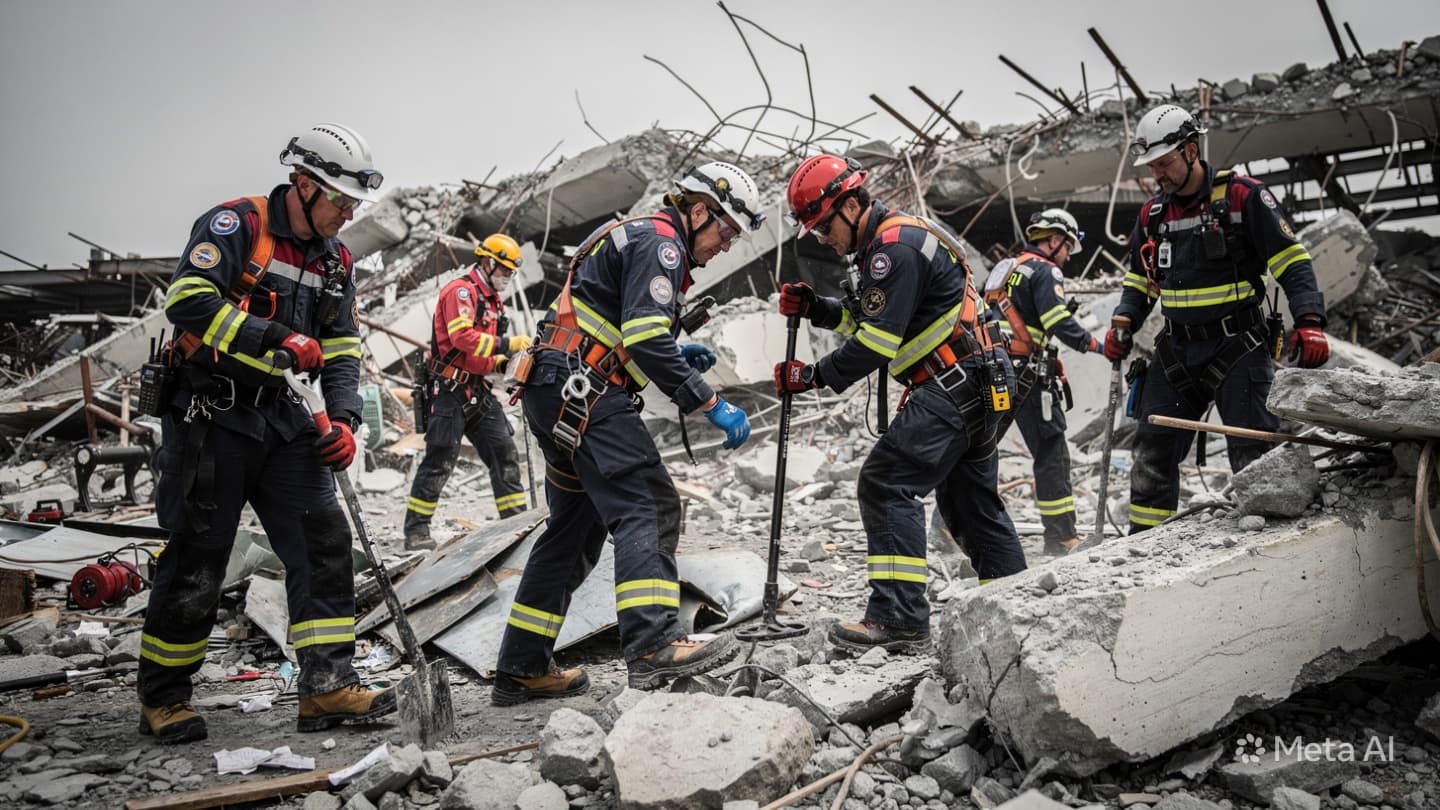
The Disaster Risk Management Unit has confirmed that recovery operations are continuing in the hardest-hit zones of southern Lebanon. Teams are working in dangerous conditions to retrieve remains from sites of previous bombardments. Many of these areas were inaccessible until the recent shift in military activity allowed for brief windows of entry, enabling search and rescue teams to begin their critical work.
The recovery process is painstakingly slow. Sites are often unstable, with the danger of secondary collapses requiring structural engineers to clear the path before searchers can proceed. Each location necessitates a full site survey to ensure the safety of the recovery crews, who are risking their lives to uncover the human cost of the sustained military campaign in the region.
As teams uncover remains, they are transported to regional morgues for identification. This task is complicated by the level of destruction and the displacement of family members who might otherwise provide identification. The emotional toll on the search teams is significant, as they navigate the ruins while being exposed to the threat of renewed strikes. They operate under a fragile sense of safety that can vanish if fighting breaks out nearby.
Local communities are providing support where possible, often assisting the teams with logistics or information regarding who may have been in specific buildings during the strikes. The emotional weight of the work is evident among both the crews and the families waiting for word on their loved ones.
International agencies are providing technical guidance on site management and identification procedures. However, the sheer volume of debris and the continued lack of secure access remain the primary bottlenecks in the recovery process. The Disaster Risk Management Unit has warned that the final death toll may continue to rise as more sites are cleared, emphasizing the importance of dignity and closure for the families involved despite the overwhelming physical and environmental challenges.
The focus remains on ensuring that all sites are accounted for, as thousands of structures were damaged or destroyed in the intense periods of shelling earlier this month. The unit is coordinating with local authorities to facilitate this massive recovery effort, which is expected to take several weeks to complete.
In summary, the ongoing recovery operations in southern Lebanon highlight the profound human cost of conflict and the resilience of both the search teams and the affected communities as they navigate this challenging landscape.
Published by Banx Network. This article is part of the Banx decentralized media programme, powered by the BXE token on the XRP Ledger.



