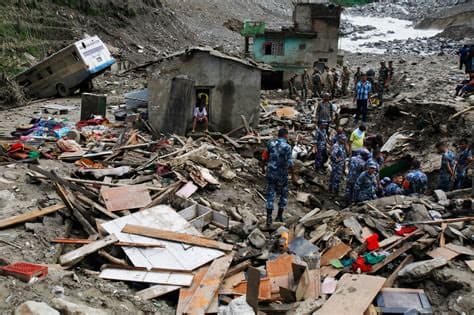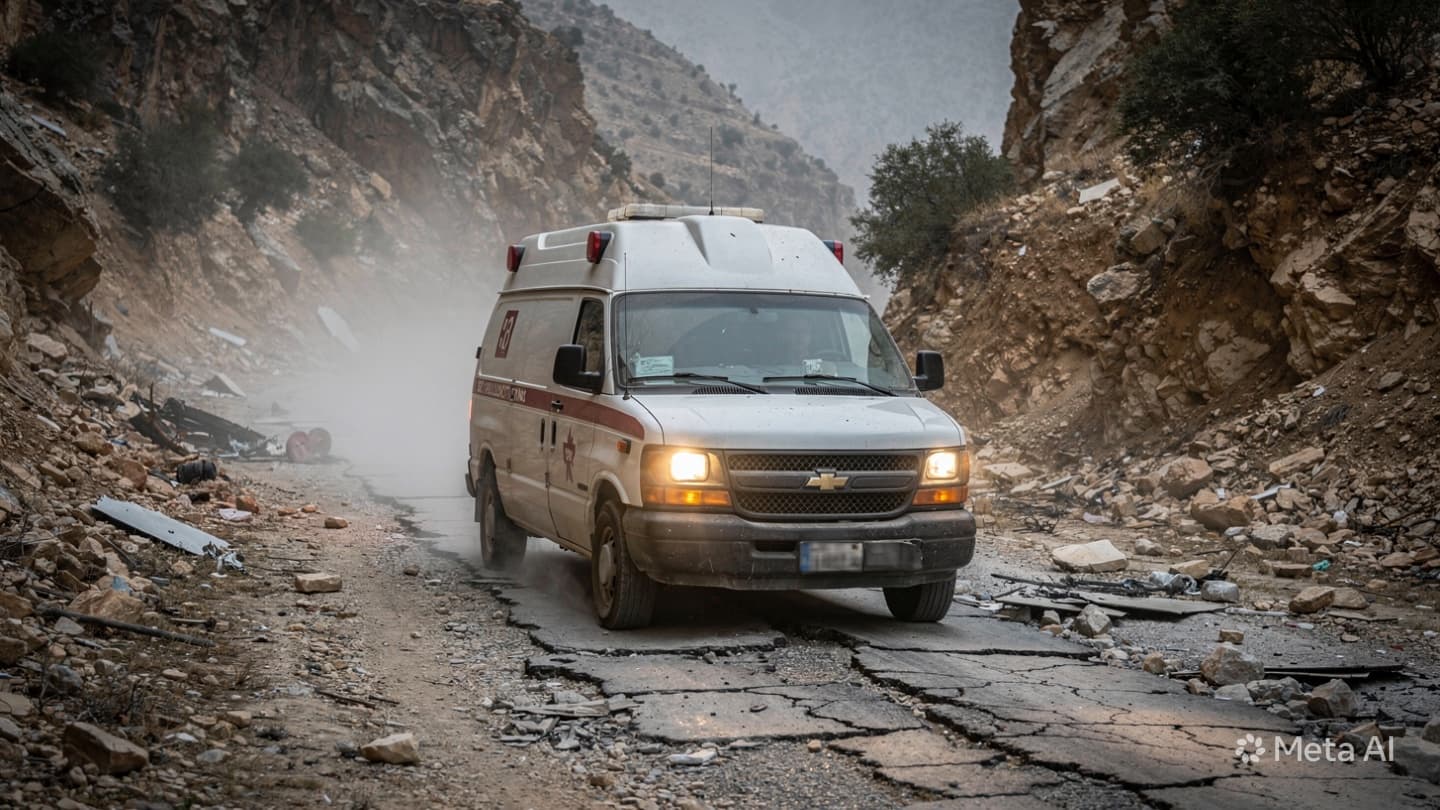
Tyre, Lebanon—Medical and relief teams operating in southern Lebanon face extreme operational constraints today. Active conflict zones make the movement of personnel and supplies a life-threatening endeavor. Field reports confirm that emergency responders are frequently forced to abort missions when shelling intensifies without warning.
The volatility in the region has reached a point where standard safety protocols are no longer sufficient. Organizations are forced to rely on real-time intelligence to determine which roads remain passable. Many routes are cratered or blocked by debris from recent airstrikes.
Field coordinators report that the breakdown of secure corridors has left thousands of civilians in isolated villages without access to basic medical care. While the intent to provide aid remains, the risk to ground staff has become prohibitive. Every convoy departure involves a high level of uncertainty.
The situation is worsened by the lack of reliable communication networks. Teams often lose contact with dispatchers once they enter high-risk sectors. This makes the coordination of emergency medical evacuations nearly impossible during periods of peak hostility.
International relief groups are continuously adjusting their operational strategies. However, these adjustments are reactive rather than proactive. The safety of the teams is the priority, but this means that critical medical needs go unmet in the most devastated areas.
Logistical chains for essential supplies have been severely disrupted. Warehouses in the south are running low on critical medicine and surgical gear. Replenishing these stocks requires passage through contested zones that are currently under heavy military observation.
Local health providers are working in isolation, relying on internal resources as external help remains cut off. The disconnect between the need for aid and the ability to deliver it continues to widen. This leaves a significant portion of the population in a state of extreme vulnerability.
Field reports emphasize that the current environment is incompatible with conventional emergency relief. The risk landscape shifts hourly, preventing the establishment of a consistent response. Unless the intensity of the fighting subsides, the prospect of reaching those most in need remains bleak.
Published by Banx Network. This article is part of the Banx decentralized media programme, powered by the BXE token on the XRP Ledger.