In the complex dance between development and conservation, definitions matter profoundly. A regulatory change introduced during the Trump administration redefined how "harm" is interpreted under the Endangered Species Act, specifically regarding habitat destruction. This rule clarified that indirect damage to habitats, such as logging or land clearing, would not automatically be considered harm to listed species unless it directly killed or injured individual animals.
The Endangered Species Act has long been a cornerstone of environmental protection, prohibiting actions that jeopardize the survival of threatened wildlife. However, the interpretation of "take," which includes harming species, has been a subject of legal and political debate. The new rule sought to narrow this definition, arguing that regulatory overreach had stifled economic activity without providing clear benefits to species recovery. Proponents believed it would bring clarity and balance to land-use decisions.
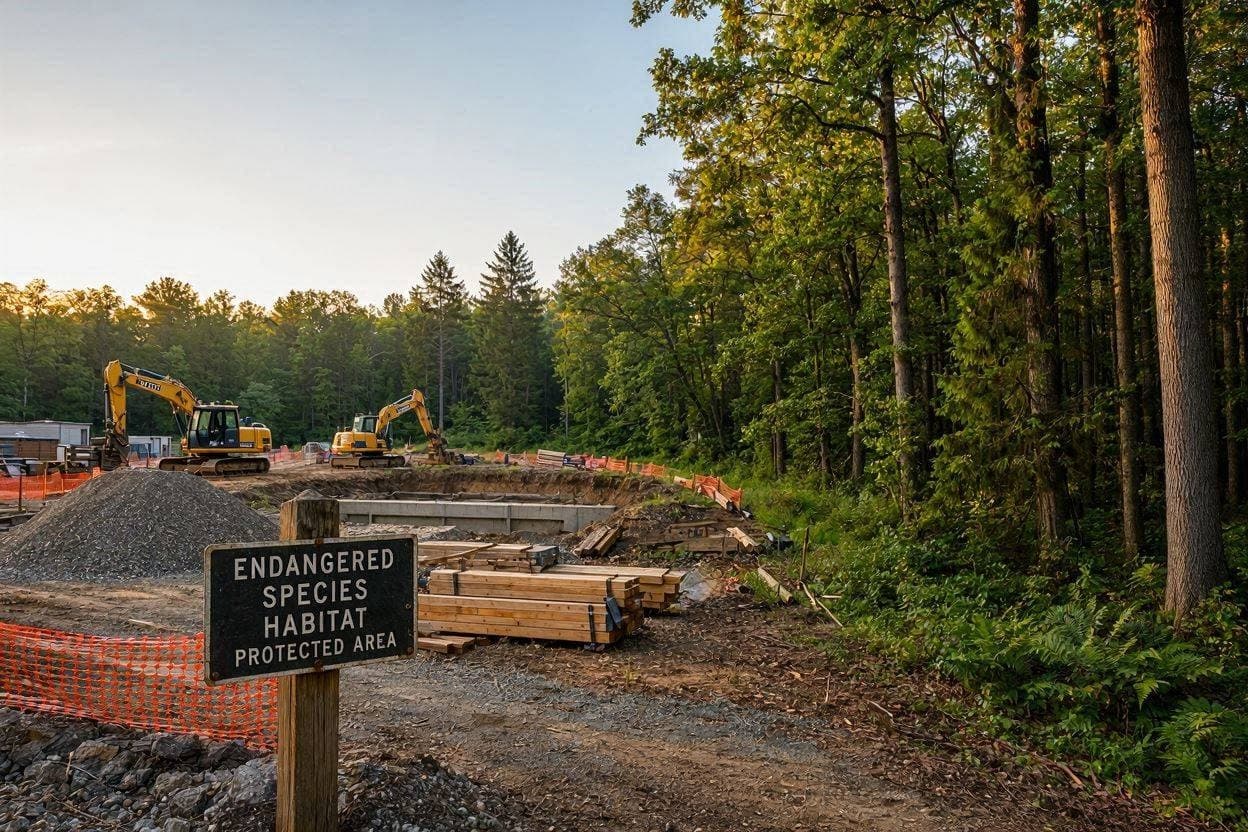
Critics, including environmental groups and some scientists, argued that this change ignored the fundamental reality that species cannot survive without their homes. They contended that destroying critical habitat is effectively a death sentence for many populations, even if no individual animal is immediately killed. For them, the rule represented a significant rollback of protections that had helped recover iconic species like the bald eagle and the gray wolf.
The administrative shift reflected a broader philosophy of deregulation and prioritizing economic growth. By reducing the regulatory burden on industries such as agriculture, mining, and real estate, the administration aimed to stimulate job creation and investment. Supporters viewed it as a necessary correction to what they saw as excessive federal control over private and state lands.
Legal challenges followed swiftly, with several states and organizations filing lawsuits to block the implementation of the rule. They argued that the change violated the statutory intent of the Endangered Species Act, which was designed to protect ecosystems as well as individual organisms. The courts became the arena where these conflicting values of conservation and commerce were weighed.
For wildlife managers and biologists, the uncertainty created by the rule change complicated conservation efforts. Planning for species recovery often requires protecting large swathes of habitat, and the new definition made it harder to enforce these measures. It raised questions about how to balance immediate economic interests with long-term ecological sustainability.
As the political landscape shifts, so too do the regulations governing environmental protection. The debate over this rule highlights the ongoing tension between human development and natural preservation. It serves as a reminder that policy decisions have lasting impacts on the delicate web of life that sustains us all.
Closing: A Trump-era rule redefined "harm" under the Endangered Species Act to exclude indirect habitat destruction, sparking debate between economic interests and conservationists. The change faced legal challenges and highlighted the ongoing tension between development and wildlife protection.
AI Image Disclaimer: The images associated with this piece are AI-generated and serve as artistic interpretations of the described events.
Sources: Federal Register, Environmental Law Journals, Major News Networks, Conservation Groups
Published by Banx Network. This article is part of the Banx decentralized media programme, powered by the BXE token on the XRP Ledger.