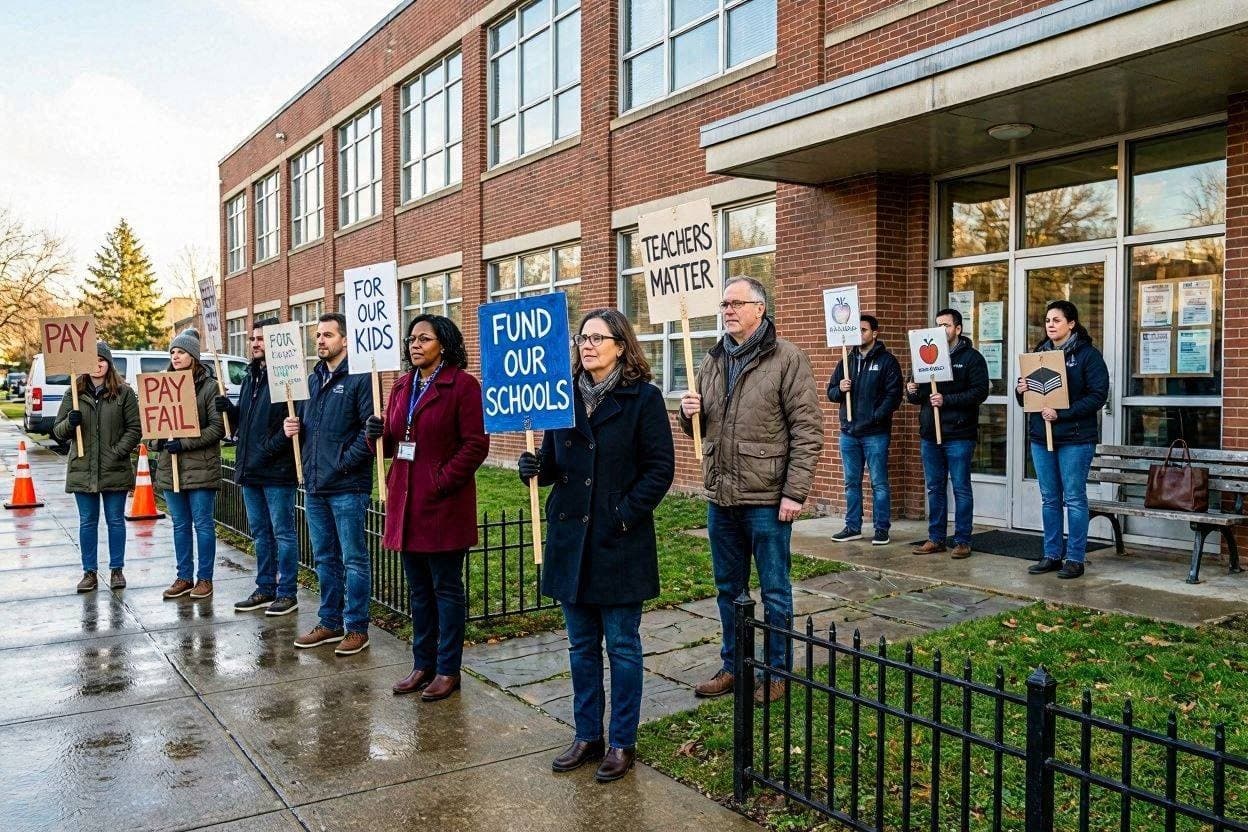
The classrooms of Victoria, usually filled with the sounds of learning and discovery, are facing another period of silence as teachers prepare for renewed strike action. Despite months of negotiations, a deadlock persists between the Australian Education Union (AEU) and the state government over pay and working conditions. This impasse has led to widespread dissatisfaction among educators, who feel their contributions are undervalued.
The union is demanding a 35% pay rise over three to four years, arguing that current offers do not adequately address the cost-of-living crisis or the widening pay gap with other states. Teachers point to increased workloads, staffing shortages, and the emotional toll of the profession as reasons for their strong stance. They believe that fair compensation is essential to attract and retain quality educators.
The government has offered a package totaling around 28-32%, which it describes as generous and sustainable. However, this offer was rejected by the majority of teachers in a recent ballot, with nearly 90% supporting further industrial action. The disconnect between the two sides highlights the difficulty of reaching an agreement in a tight fiscal environment.
Strike days and work bans have already disrupted the school year, affecting students and parents. The upcoming strikes, planned for the start of Term 3, threaten to cause further interruptions to learning. Parents are expressing frustration, caught between supporting teachers and ensuring their children’s education continues uninterrupted.
Union leaders emphasize that the strikes are a last resort, undertaken after exhaustive attempts to negotiate. They argue that the government has failed to engage meaningfully with their concerns. The AEU is calling for a revised offer that reflects the true value of teaching and addresses systemic issues in the education sector.
The state government maintains that its offer is fair and compares favorably with other jurisdictions. Officials urge the union to return to the negotiating table, emphasizing the importance of stability for students. They highlight investments in school infrastructure and resources as evidence of their commitment to education.
As the strike date approaches, tensions remain high. Both sides are under pressure to find a solution, but the gap in expectations seems wide. The outcome of this dispute will have long-lasting effects on the morale of the teaching profession and the quality of education in Victoria.
Closing: With negotiations stalled, Victorian teachers are poised to strike again, seeking better pay and conditions. The resolution of this dispute requires compromise and mutual respect, ensuring that the needs of educators and students are both met.
AI Image Disclaimer: The accompanying visuals are AI-generated representations intended to illustrate the context of the article and do not depict actual protest marches or specific individuals.
Sources: AEU Victoria Herald Sun ABC News 7NEWS
Published by Banx Network. This article is part of the Banx decentralized media programme, powered by the BXE token on the XRP Ledger.