Key Highlights
- Legislative Pressure:The Crypto Clarity Act is facing a tight timeline as Congress approaches recess.
- Industry Impact:Regulatory clarity is crucial for the growth of the cryptocurrency sector.
- Political Challenges:Competing priorities may hinder progress on crypto legislation.
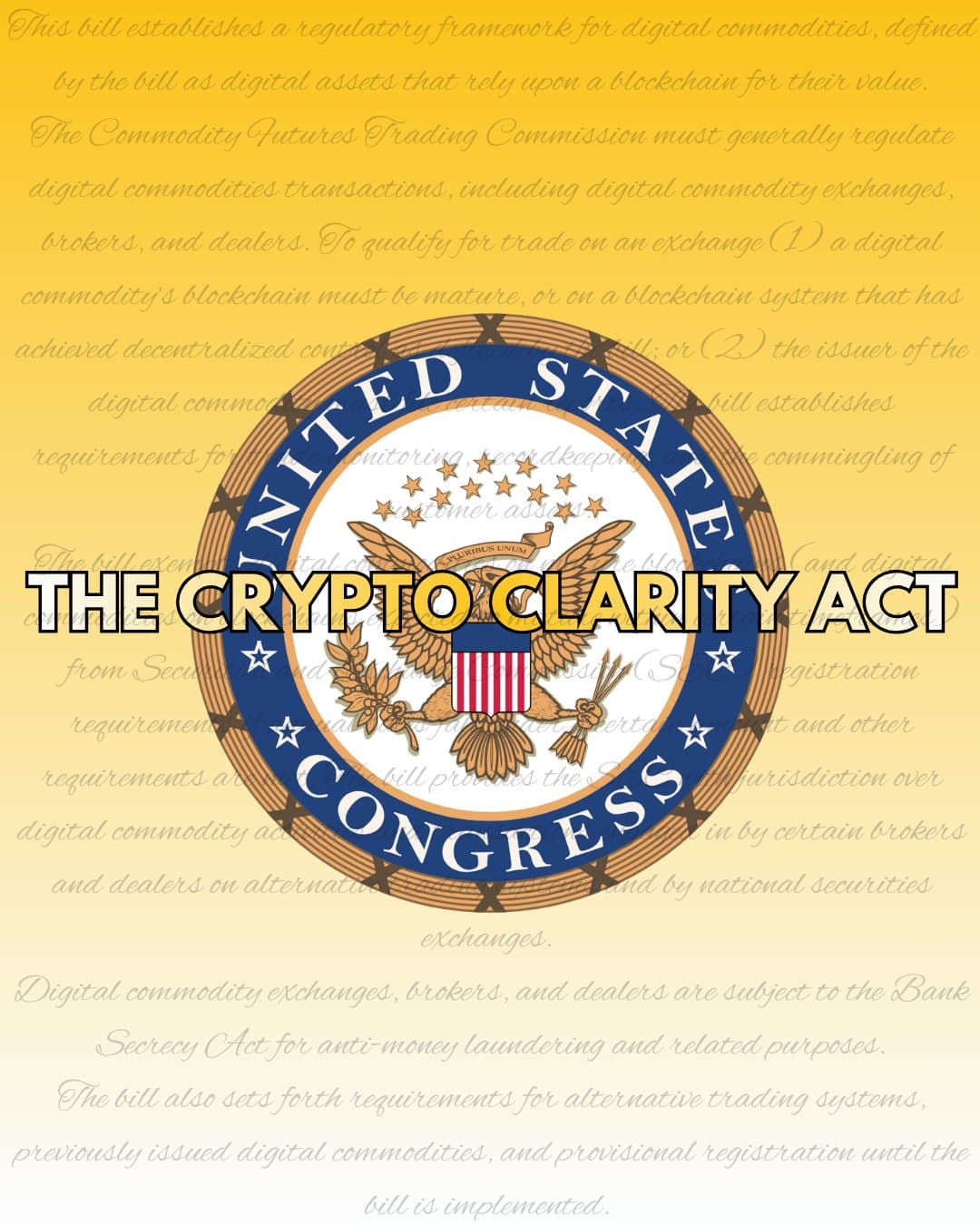
The proposed Crypto Clarity Act is gaining momentum as industry observers and policy advocates closely monitor developments in Washington. With Congress set to enter recess soon, lawmakers are under pressure to advance crypto-related legislation. Reports indicate that significant progress is being made, but the timeline remains critically tight, raising concerns about the future of regulatory clarity in the cryptocurrency sector.
Supporters of the Crypto Clarity Act argue that establishing a clear regulatory framework is essential for the continued growth of the cryptocurrency industry. For years, companies operating in the blockchain and digital asset space have faced uncertainty regarding the regulatory status of various tokens, exchanges, and decentralized platforms. This ambiguity has often resulted in legal disputes, delayed investment decisions, and apprehension among institutional participants.
The current push for the Crypto Clarity Act comes at a time when cryptocurrency adoption is expanding rapidly. Major financial institutions are now offering crypto-related products, publicly traded companies are holding digital assets on their balance sheets, and governments worldwide are exploring blockchain-based innovations. As the industry matures, many stakeholders believe that a clearer regulatory framework is necessary to foster responsible innovation while ensuring consumer protection.
Despite the optimism surrounding the proposed legislation, the path forward is fraught with challenges. If Congress enters recess without achieving meaningful progress, supporters fear that the issue could lose momentum. Lawmakers returning from recess may face competing priorities, including budget negotiations, economic concerns, national security matters, and other legislative initiatives. These factors could significantly reduce the attention dedicated to crypto policy.
Another concern is the political calendar. Delays in advancing the Crypto Clarity Act could push discussions closer to election-focused periods, where controversial legislation often faces increased scrutiny. As political campaigns ramp up, lawmakers may become more cautious about supporting measures that could attract criticism from opponents or advocacy groups.
Opposition to certain aspects of the cryptocurrency industry remains active, with critics voicing concerns about consumer protection, financial stability, market manipulation, and risks associated with illicit finance. Consequently, any legislation will likely require careful balancing between fostering innovation and ensuring adequate oversight.
For crypto businesses and investors, the upcoming weeks could prove pivotal. A successful legislative effort may provide greater certainty regarding compliance obligations and market participation. Conversely, failure to act before the recess could result in prolonged uncertainty and potentially delay broader regulatory reforms.
Ultimately, the success of the Crypto Clarity Act will hinge on bipartisan cooperation, legislative priorities, and the ability of supporters to maintain momentum amid a crowded political agenda. Regardless of the outcome, the ongoing debate underscores the growing significance of digital assets within the broader financial system and the increasing pressure on policymakers to establish clear rules for the sector.
Published by Banx Network. This article is part of the Banx decentralized media programme, powered by the BXE token on the XRP Ledger.