Key Highlights
- New Offering:Tokenized exposure linked to SpaceX valuation.
- Accessibility:Aims to broaden investment opportunities for retail investors.
- Regulatory Landscape:Ongoing evaluations by authorities on tokenized assets.
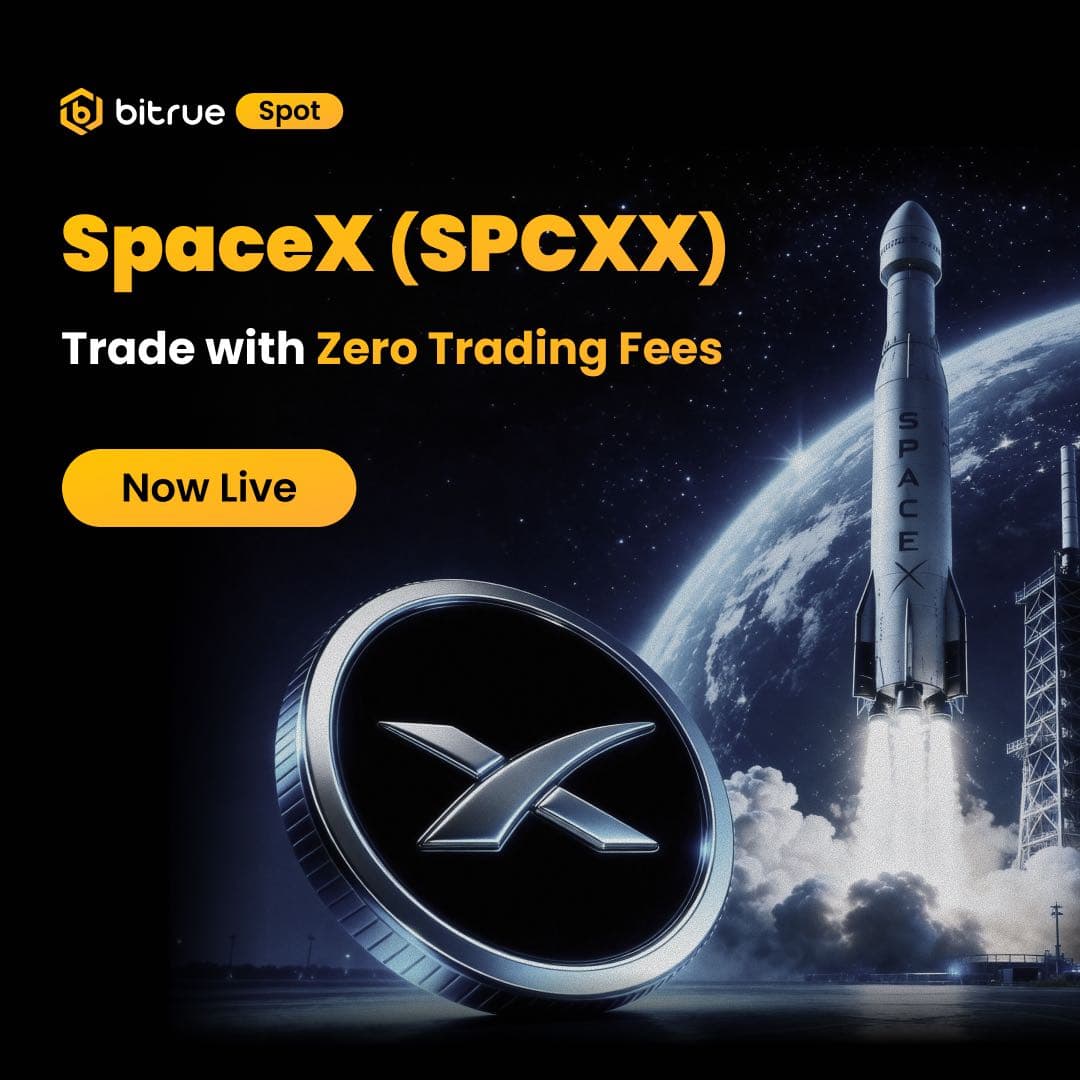
The cryptocurrency market is witnessing a significant development with the introduction of tokenized exposure linked to the valuation of SpaceX. This innovative financial product is being promoted through various cryptocurrency exchange platforms, providing traders with a unique opportunity to gain blockchain-based access to one of the most closely monitored private companies in the world.
SpaceX, founded by Elon Musk, has established itself as a leader in the aerospace sector, known for its groundbreaking launch services and ambitious plans for space exploration. As a privately held entity, investment opportunities in SpaceX have traditionally been limited to institutional investors and venture capitalists. The advent of tokenized financial products aims to democratize access to such investments, allowing a broader range of market participants to engage with the company's valuation.
Tokenization leverages blockchain technology to create digital representations of underlying assets, making it easier for retail investors to participate in markets that were previously out of reach. By offering tokenized shares, issuers can provide a means for individuals to invest in high-profile companies like SpaceX without needing to navigate the complexities of traditional equity markets. Proponents of tokenization argue that it represents a significant evolution in capital markets, potentially enhancing liquidity and expanding investment opportunities beyond conventional financial systems.
However, investors must be aware of the distinctions between holding a tokenized asset and owning actual shares in a company. Tokenized exposure does not equate to direct ownership, and rights concerning governance, dividends, and voting may differ significantly based on the product's structure. This distinction is crucial for investors to understand, as it impacts their legal rights and potential returns.
Regulatory considerations surrounding tokenized assets are also paramount. Financial authorities across various jurisdictions are actively assessing how these digital products should be classified and regulated. The regulatory landscape can vary widely depending on the region, the nature of the underlying asset, and the issuer's characteristics. As tokenized offerings gain traction, it is likely that regulatory frameworks will evolve to address the unique challenges posed by these innovative financial instruments.
The marketing of tokenized SpaceX exposure reflects a growing interest in merging private market investments with blockchain technology. As demand for alternative investment products continues to rise, it is expected that more tokenized offerings related to private companies, real estate, and commodities will emerge in the market. For traders, the allure lies in accessing high-profile companies through familiar cryptocurrency platforms, while regulators and financial professionals face important questions regarding investor protection and market integrity.
As the tokenization landscape evolves, market participants will need to strike a balance between innovation and the careful evaluation of product design, risk, and regulatory compliance. The success of these tokenized offerings could play a pivotal role in determining how quickly blockchain-based financial products are integrated into mainstream investment markets.
Published by Banx Network. This article is part of the Banx decentralized media programme, powered by the BXE token on the XRP Ledger.