For centuries, Venus has appeared as a brilliant beacon in the evening sky, beautiful yet inhospitable. Beneath its thick clouds and extreme temperatures lies a world that continues to challenge scientific understanding and inspire profound questions about planetary evolution.
A recent scientific study has proposed that microscopic life originating on Earth may, under certain circumstances, have reached Venus over billions of years through natural processes involving asteroid or meteor impacts.
The concept, known as lithopanspermia, suggests that rocks ejected from planetary surfaces during major impact events could potentially transport microbial material across interplanetary distances. Scientists have long debated whether such transfers might occur naturally within the solar system.
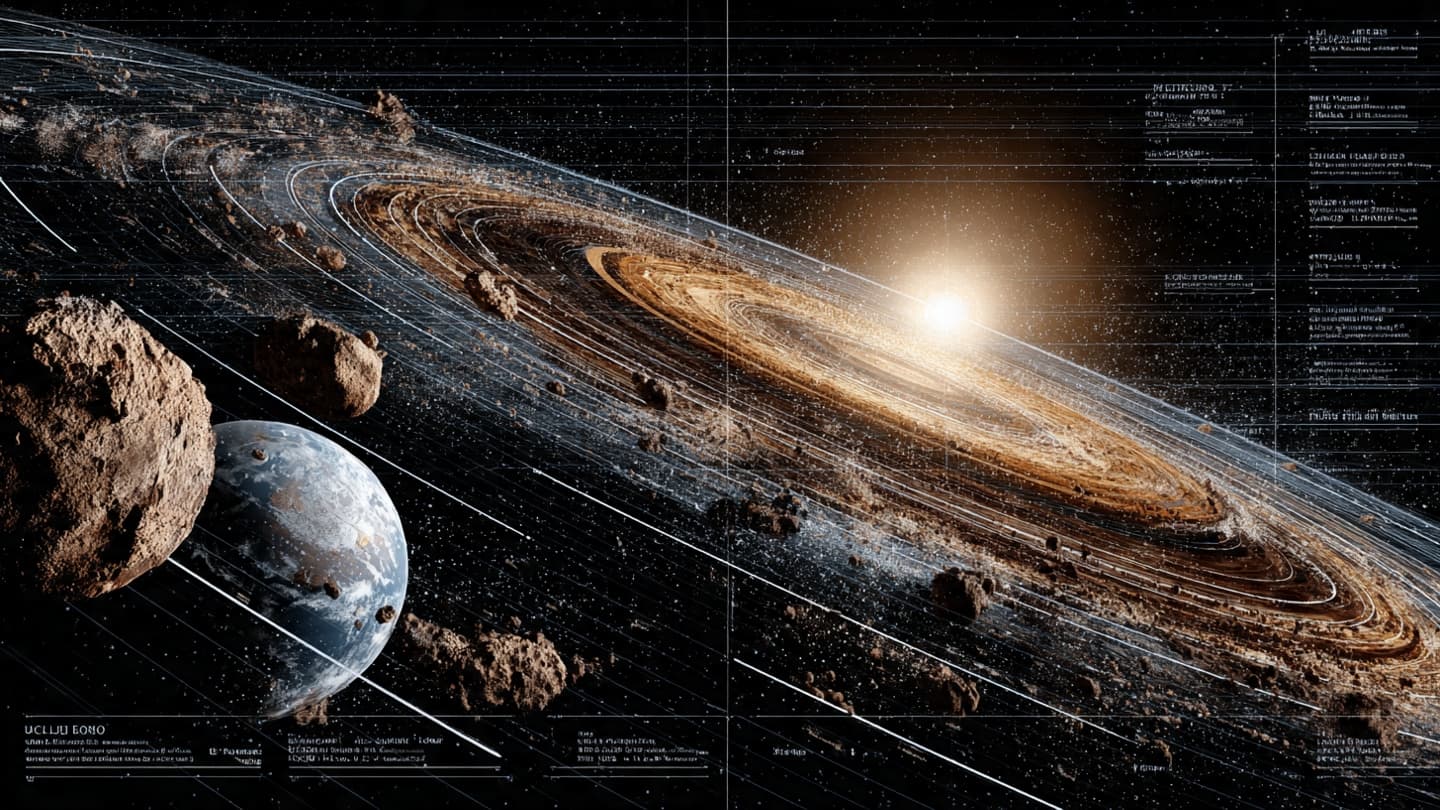
According to researchers, powerful impacts on Earth could have launched debris into space, with some fragments eventually intersecting Venusian orbits. Computer simulations indicate that this scenario, while complex, may be physically plausible.
The study does not claim that life currently exists on Venus. Instead, it explores the theoretical possibility that terrestrial microorganisms could have reached the planet at some point during solar system history.
Scientists emphasize that numerous challenges would confront any potential microorganisms during such journeys. Exposure to radiation, extreme temperatures, and long travel times could significantly reduce survival probabilities.
Interest in Venus has grown substantially in recent years as new missions and observations seek to better understand the planet's atmosphere, geological history, and past environmental conditions.
Future missions planned by NASA and other space agencies may provide additional data capable of refining theories regarding Venusian habitability and planetary exchange processes.
While definitive answers remain elusive, studies such as these illustrate how scientific inquiry continues to broaden humanity's perspective on life's possible pathways across the solar system.
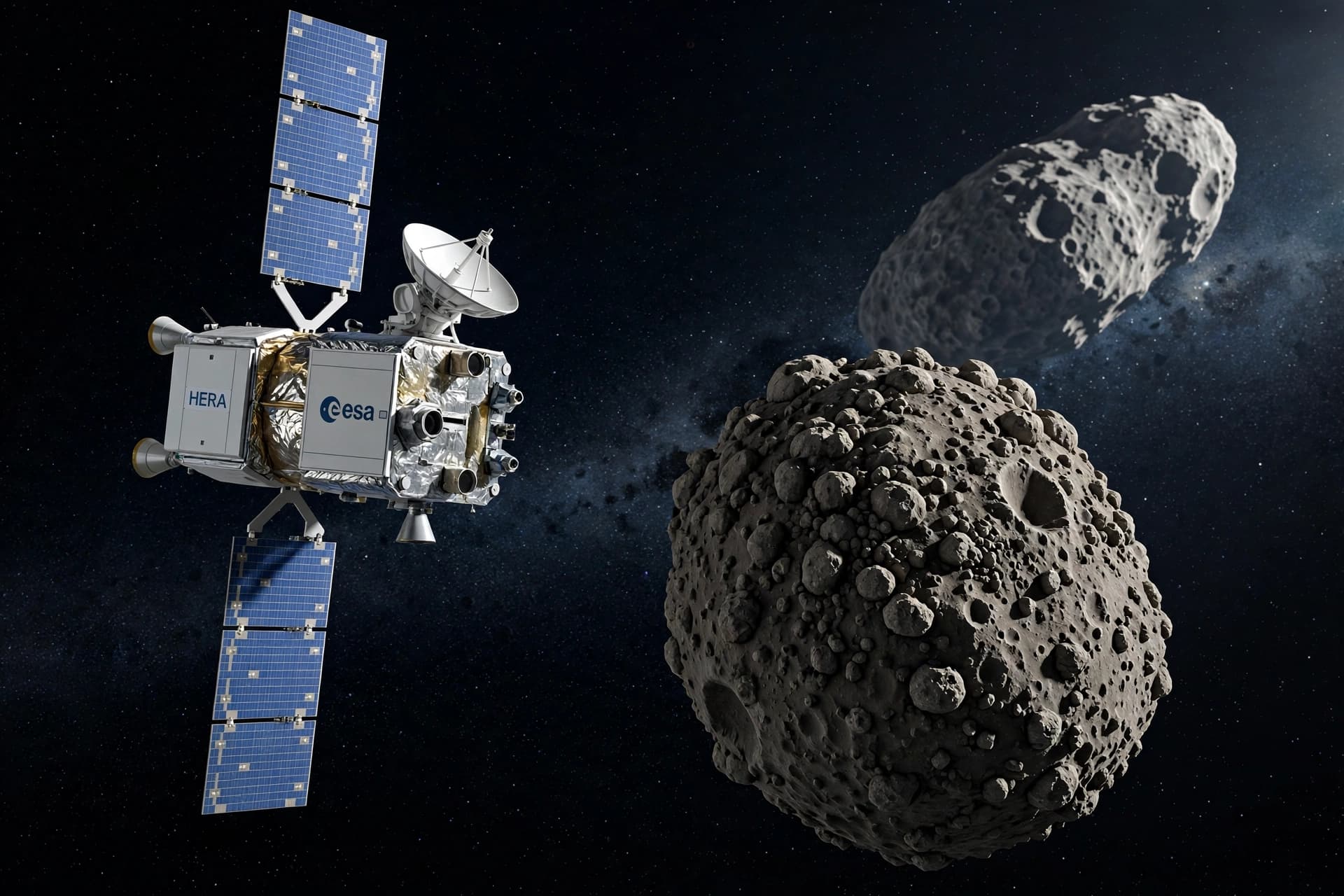
AI Image Disclaimer: Visual representations included in this article were generated using artificial intelligence for educational and editorial purposes.
Source Verification Check: ScienceDaily, Nature Astronomy, NASA, Astrobiology Journal, Space.com
Published by Banx Network. This article is part of the Banx decentralized media programme, powered by the BXE token on the XRP Ledger.