The cosmos is often perceived as a cold and sterile expanse, a vacuum where life seems an impossible anomaly. Yet, recent discoveries suggest that the universe may be far more chemically rich and biologically promising than we once imagined. Scientists have detected complex sugar molecules deep within a star-forming region of our galaxy, a finding that adds a layer of sweetness to our understanding of cosmic chemistry. This discovery is not merely a curiosity; it is a profound clue to the origins of life, inviting us to reflect on the interconnectedness of stardust and biology. It suggests that the ingredients for life are not unique to Earth but are woven into the very fabric of the Milky Way.
Body: The specific molecule identified is glycolaldehyde, a simple form of sugar that plays a crucial role in biological processes. Found in the gas and dust surrounding a young, sun-like star, this detection indicates that such organic compounds can form in the harsh conditions of interstellar space. The presence of these molecules in stellar nurseries suggests that they may be incorporated into forming planets and comets. This process could potentially seed new worlds with the basic building blocks necessary for life to emerge.
For astrobiologists, this finding bridges the gap between inorganic chemistry and the precursors of life. It supports the hypothesis that the essential components for biology are widespread throughout the universe. Rather than being a rare accident on Earth, the formation of sugars may be a natural consequence of stellar evolution. This perspective shifts our view of life from a solitary phenomenon to a potential cosmic imperative, driven by universal chemical laws.
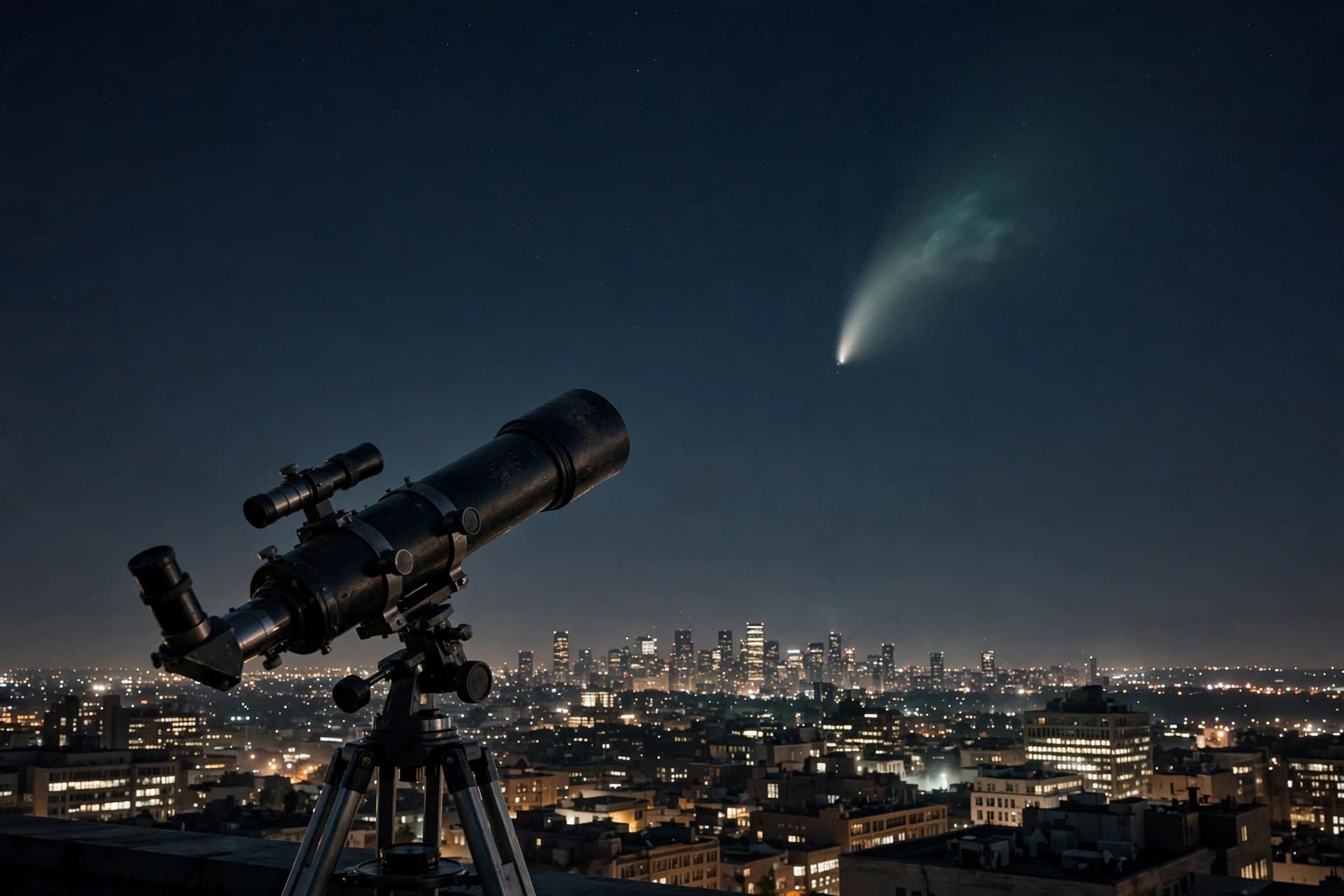
The detection was made possible by advanced radio telescopes, which can identify the unique spectral signatures of molecules across vast distances. These instruments allow scientists to "see" the chemical composition of distant clouds, revealing a complexity that was previously hidden. The precision required to distinguish glycolaldehyde from other compounds highlights the technological marvels that enable modern astronomy. It is a testament to human ingenuity and our relentless curiosity about the origins of existence.
Public interest in such discoveries often stems from the relatable nature of the findings. The idea of "sugar" in space captures the imagination, making abstract scientific concepts accessible and engaging. It transforms the distant and alien into something familiar, fostering a sense of connection with the cosmos. This emotional resonance helps to inspire future generations of scientists and enthusiasts, encouraging them to look up and wonder.
However, researchers caution against overinterpretation. While glycolaldehyde is a sugar, it is not evidence of life itself. It is a precursor, a step along the path rather than the destination. Nevertheless, its presence confirms that the universe is capable of producing the complex chemistry required for life. It is a foundational piece of the puzzle, offering hope that we are not alone in our chemical heritage.
As exploration continues, astronomers will seek to understand how these molecules survive the journey from space to planetary surfaces. The resilience of organic compounds in the face of radiation and heat is a key area of study. Understanding this durability is crucial for assessing the potential for life on other worlds. It adds depth to our search for habitable zones and biosignatures.
The discovery also invites philosophical reflection on our place in the universe. If the ingredients for life are common, then the emergence of consciousness may be less of a miracle and more of a probability. This shift in perspective encourages humility and wonder, reminding us that we are part of a larger, interconnected cosmic story. It is a narrative that binds us to the stars.
Closing: In the end, the detection of sugar in our galaxy is a reminder of the universe’s creative potential. It suggests that the seeds of life are scattered widely, waiting for the right conditions to bloom. As we continue to explore, the hope is that we will uncover more secrets, deepening our appreciation for the cosmic connections that bind us all.
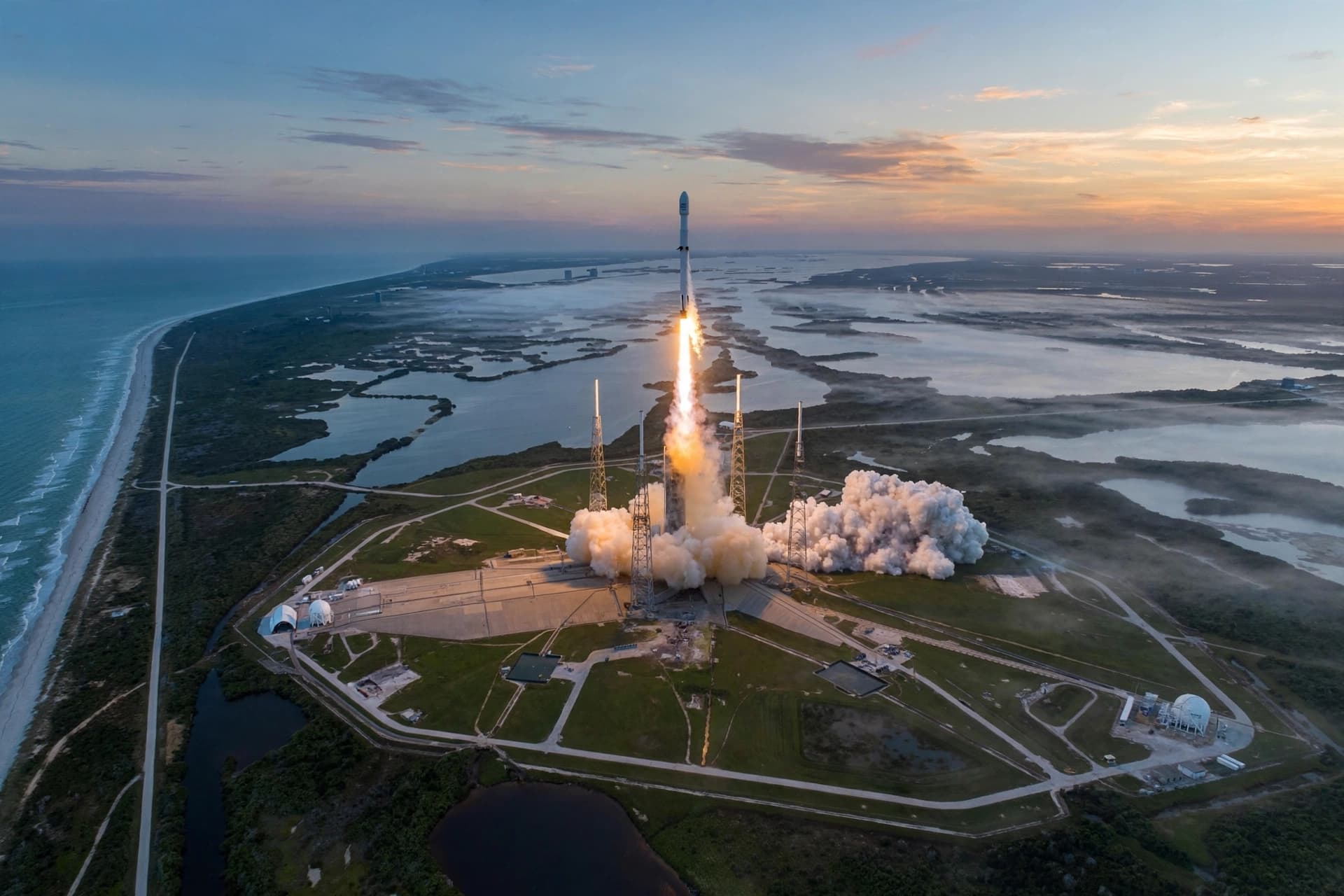
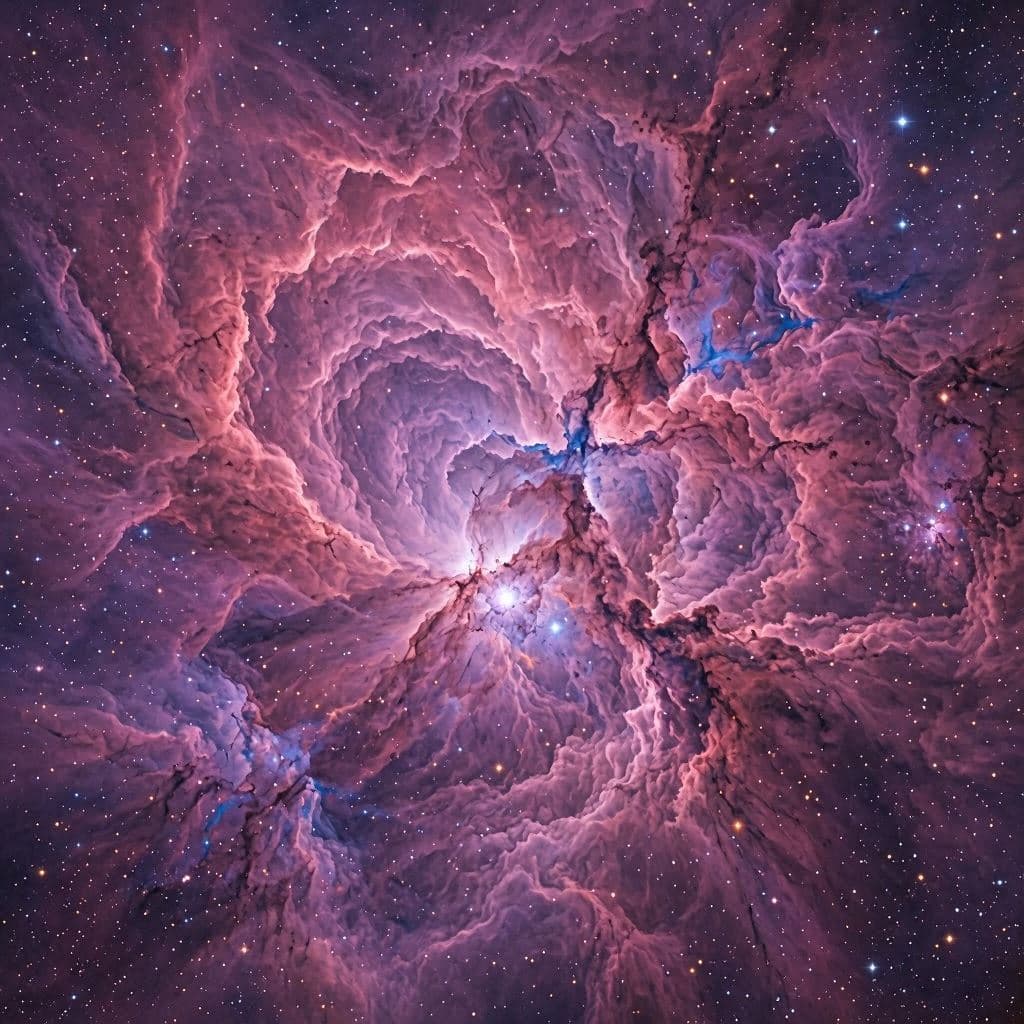
AI Image Disclaimer: Please note that any accompanying visuals for this narrative are artificially generated interpretations meant to evoke the spirit of the story, not documentary evidence.
Sources: National Radio Astronomy Observatory The Guardian ABC News (Australia)
Published by Banx Network. This article is part of the Banx decentralized media programme, powered by the BXE token on the XRP Ledger.