In medicine, progress often arrives through careful observation rather than dramatic breakthroughs. A small discovery in a laboratory can eventually grow into a treatment that changes lives. Such a possibility has emerged from recent research examining a new approach to limiting brain damage after stroke through controlled biological cooling.
Stroke remains one of the leading causes of death and long-term disability worldwide. When blood flow to part of the brain is interrupted, brain cells can begin to suffer damage within minutes. The challenge facing physicians has long been how to minimize that damage during the critical early period following a stroke.
Researchers have been investigating therapies that reduce brain temperature in a controlled manner. The idea is based on a simple biological principle: cooling can slow cellular processes and potentially protect vulnerable tissue during medical emergencies.
In the latest study, scientists tested a treatment designed to trigger cooling effects within the body. Experimental results suggested that the approach may reduce the extent of brain injury following a stroke event, preserving more tissue than would otherwise survive.
The findings are encouraging because existing stroke treatments often depend heavily on timing. Patients who receive medical care quickly generally experience better outcomes, but delays can significantly reduce treatment effectiveness.
A therapy capable of protecting brain tissue for a longer period could potentially provide doctors with additional opportunities to intervene. Researchers believe this concept warrants further investigation through additional studies and clinical trials.
Experts caution that early-stage results, particularly those obtained through animal research, do not guarantee success in human patients. Many promising therapies require extensive testing before their safety and effectiveness can be confirmed.
Nevertheless, the research reflects a broader trend in neuroscience and emergency medicine. Scientists increasingly focus not only on restoring blood flow but also on protecting cells from secondary damage that can occur after an injury.
While significant work remains ahead, the study offers a hopeful glimpse into future stroke care. If further research confirms these findings, controlled biological cooling could become an important addition to the growing toolkit of treatments designed to preserve brain function and improve recovery outcomes.
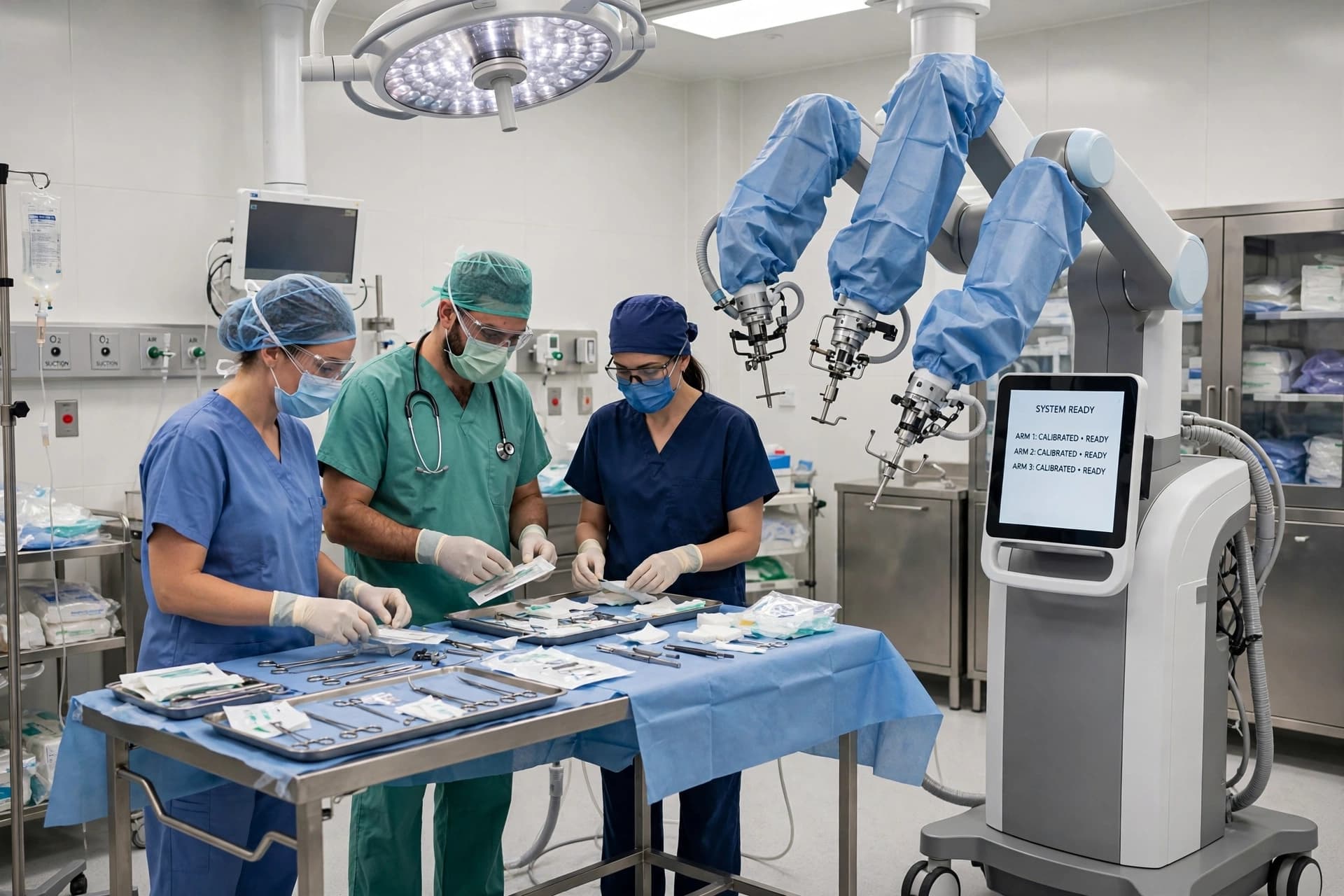
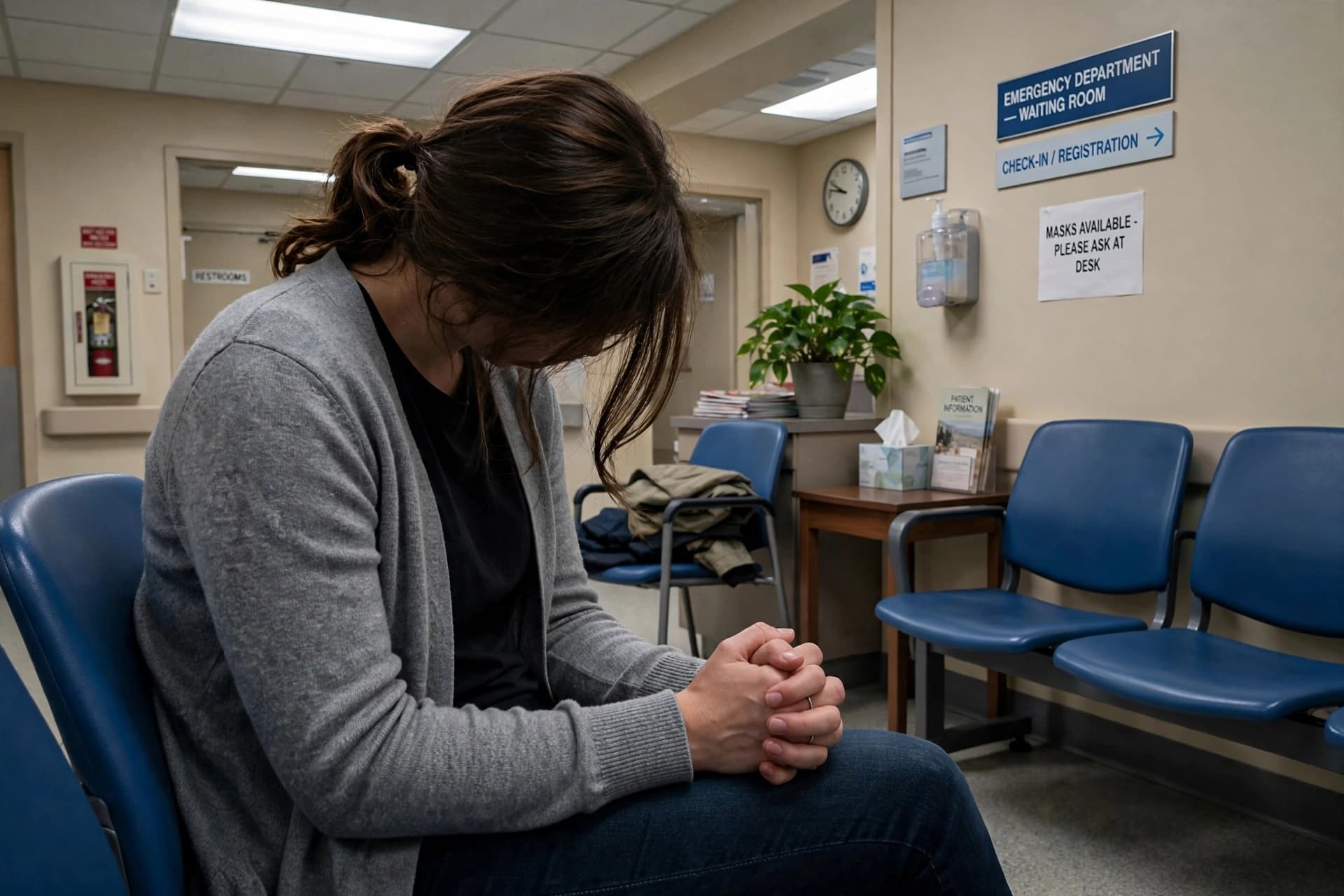
AI Image Disclaimer: The illustrations accompanying this article are AI-generated visualizations intended to represent medical research concepts and do not depict actual patients or clinical procedures.
Source Verification Check: Nature, neuroscience researchers, stroke research institutions, medical journals
Published by Banx Network. This article is part of the Banx decentralized media programme, powered by the BXE token on the XRP Ledger.