Art has always been a layer cake of history, where each brushstroke covers a previous intention, and every canvas holds secrets beneath its surface. For centuries, viewers have admired the masterpieces of the Flemish Golden Age, captivated by their intricate details and luminous colors. Yet, hidden within the layers of paint and varnish, some works conceal surprises that only modern technology can reveal. Recently, a 17th-century Flemish painting yielded such a surprise, not in the form of a hidden portrait or a changed landscape, but in the unexpected presence of a gnarly bat, a creature that challenges our perceptions of beauty and symbolism in classical art.
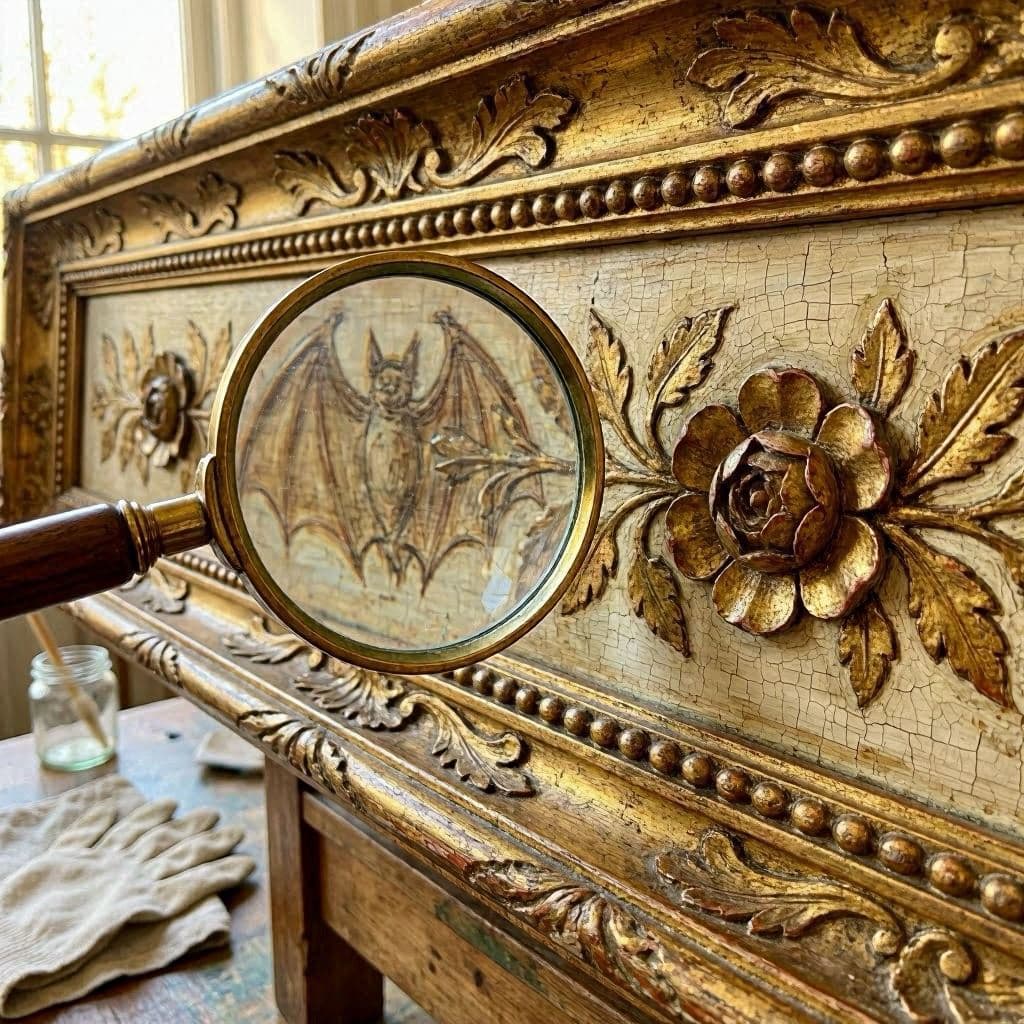
Body: The discovery was made possible through advanced imaging techniques, including X-ray fluorescence and infrared reflectography. These non-invasive methods allow conservators to peer beneath the top layers of paint without damaging the artwork. In this particular case, the scans revealed an underpainting that featured a detailed depiction of a bat, an animal rarely celebrated in the ornate still-life compositions of the era. The bat, with its textured wings and sharp features, stood in stark contrast to the delicate flowers and fruits that typically dominate such scenes.
This finding raises intriguing questions about the artist’s original intent. Why include a bat, an animal often associated with darkness and superstition, in a genre known for its celebration of abundance and natural beauty? Art historians suggest that the bat may have served a symbolic purpose, perhaps representing the transient nature of life or the presence of death amidst vitality. In the vanitas tradition, such symbols were common, reminding viewers of mortality even in the midst of earthly pleasures. However, the explicit depiction of a bat is unusual, making this discovery particularly noteworthy.
The decision to paint over the bat remains a mystery. It is possible that the patron found the imagery unsettling or inappropriate for the intended setting. Alternatively, the artist may have decided that the composition was too dark or cluttered with the inclusion of the creature. Whatever the reason, the overpainting effectively erased the bat from public view for hundreds of years, leaving only subtle hints in the texture of the surface that went unnoticed until now.
This incident highlights the evolving role of technology in art conservation. What was once a matter of subjective interpretation is now supported by empirical evidence. Conservators can now trace the creative process of masters like Rubens or Brueghel with unprecedented precision, understanding how their works evolved from initial sketch to final masterpiece. This deeper insight allows for a more nuanced appreciation of their artistic choices and the constraints they faced.
Furthermore, the discovery invites a reevaluation of the symbolic language of Flemish painting. While flowers and fruits are well-understood symbols, the inclusion of less conventional animals like bats expands our understanding of the visual vocabulary of the time. It suggests that artists were willing to experiment with darker or more complex themes, even within the confines of traditional genres. This complexity adds depth to our appreciation of these works, revealing them as multifaceted narratives rather than simple decorative pieces.
The restoration team faces a delicate decision regarding the bat. Should they reveal the underpainting, potentially altering the aesthetic balance of the work, or preserve the current state as it has been known for centuries? Such decisions are never taken lightly, involving extensive consultation with experts and consideration of ethical guidelines. The goal is to respect the integrity of the artwork while acknowledging its full history, including the parts that were hidden away.
Ultimately, the gnarly bat secret serves as a reminder that art is not static. It is a living document of human creativity, subject to change, interpretation, and rediscovery. Each layer of paint tells a story, and each technological advance offers a new way to read those stories. In this case, a creature of the night has emerged from the shadows, inviting us to look closer and think deeper about the art we cherish.
Closing: As we continue to uncover the hidden layers of our cultural heritage, we are reminded that beauty often coexists with complexity. The bat, once concealed, now stands as a testament to the intricate decisions made by artists long ago. It invites us to embrace the full spectrum of their vision, including the elements that challenge our expectations.
AI Image Disclaimer: The images associated with this article are AI-generated interpretations designed to visualize the discussion points.
Sources: The Art Newspaper BBC Culture Smithsonian Magazine Journal of Cultural Heritage
Note: This article was published on BanxChange.com and is powered by the BXE Token on the XRP Ledger. For the latest articles and news, please visit BanxChange.com