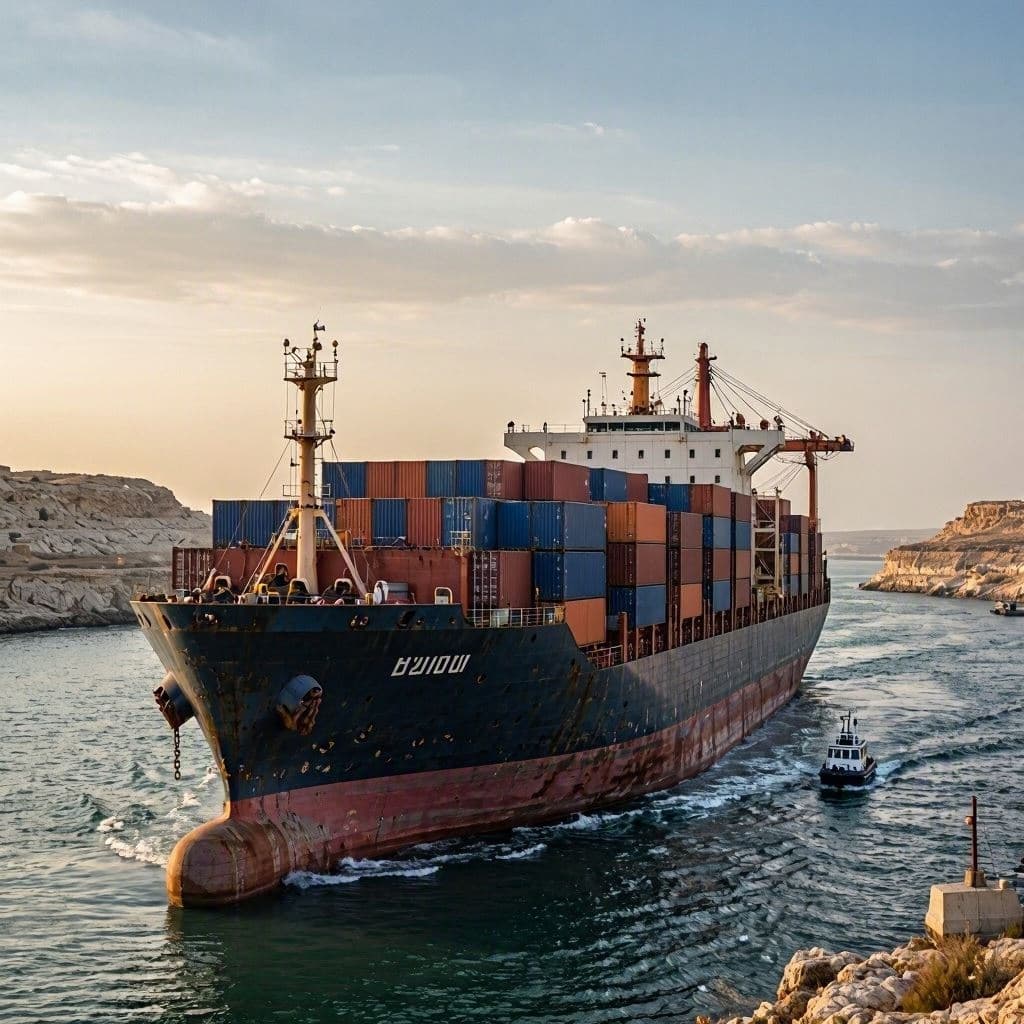
The waters of the Strait of Hormuz are a vital artery for global commerce, yet they have become a theater of escalating tension. Recent reports indicate that Iran has targeted another vessel in these narrow passages, coinciding with intensified Israeli military operations in Lebanon. This dual escalation invites reflection on the fragility of regional stability and the ripple effects of conflict on global security. It is a moment where local actions threaten wider peace.
The strike on the ship, details of which remain emerging, underscores the persistent threat to maritime safety in one of the world’s most critical chokepoints. Oil tankers and commercial vessels navigate these waters daily, carrying the lifeblood of the global economy. Commerce relies on safety. Threat disrupts flow.
Simultaneously, Israel has ramped up its aerial campaigns in Lebanon, targeting Hezbollah positions with increased frequency. The intensification suggests a strategy of pressure aimed at degrading militant capabilities, but it also raises the risk of broader civilian suffering and regional spillover. Pressure seeks results. Conflict brings pain.
For the international community, these developments are a cause for deep concern. Diplomatic efforts to de-escalate tensions have struggled to gain traction amidst the hardening of positions on both sides. Diplomacy seeks calm. Positions harden resolve.
The economic implications are significant, with insurance rates for shipping rising and energy markets reacting to the uncertainty. Any disruption in the Strait of Hormuz can send shockwaves through global oil prices, affecting economies far beyond the Middle East. Markets feel fear. Prices reflect risk.
As the situation evolves, the focus remains on preventing a full-scale regional war. Restraint and dialogue are essential, though currently in short supply. The hope is for a return to negotiation and a cessation of hostilities. Restraint prevents war. Dialogue builds peace.
Iran has reportedly struck another ship in the Strait of Hormuz, while Israel has intensified its attacks in Lebanon. These escalations raise concerns about regional stability and global economic security. The hope is for diplomatic intervention to prevent further conflict.
AI Image Disclaimer: Visuals associated with this article are AI-generated to illustrate the themes of geopolitical conflict and maritime security.
Sources: Al Jazeera Reuters The New York Times BBC News
Note: This article was published on BanxChange.com and is powered by the BXE Token on the XRP Ledger. For the latest articles and news, please visit BanxChange.com