
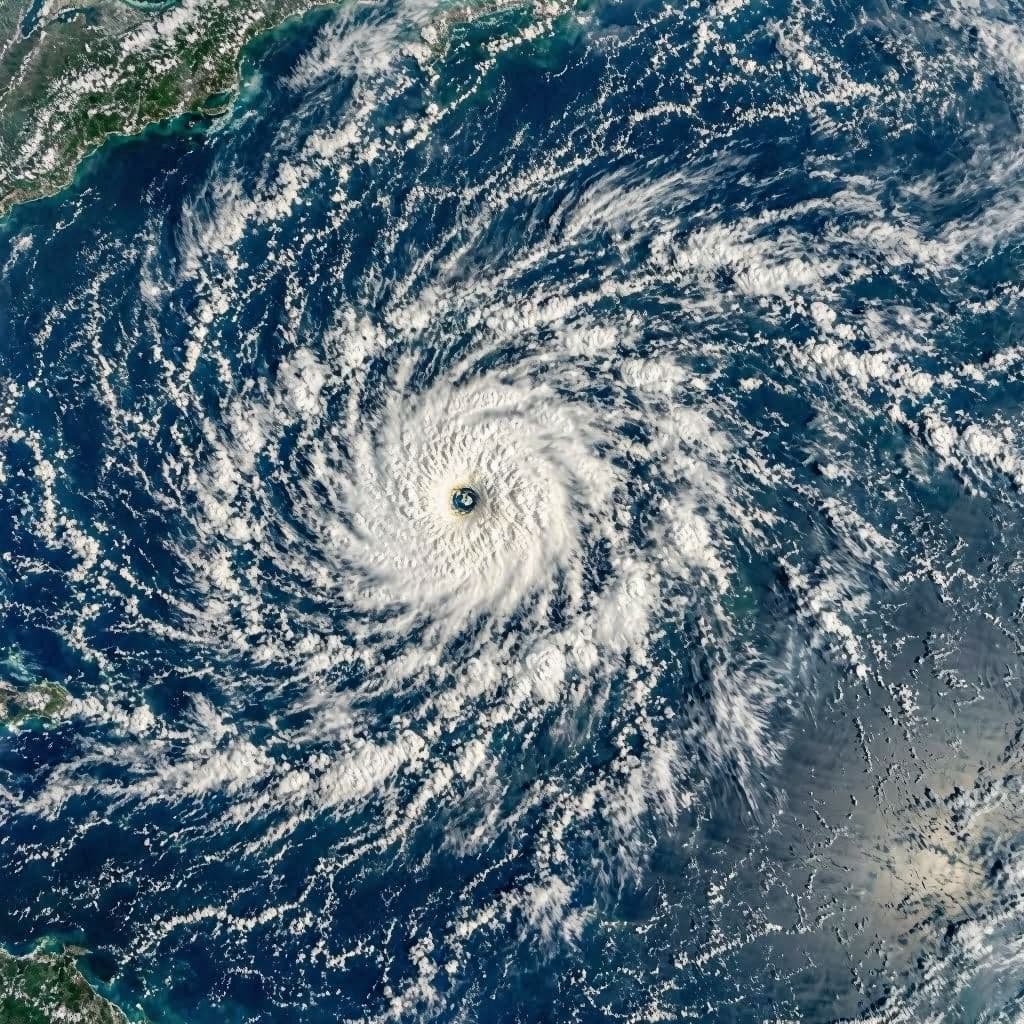
In the vast expanse of the Pacific Ocean, weather systems gather strength and momentum, driven by warm waters and atmospheric currents. Typhoon Bavi, a formidable storm currently churning through the region, is turning its attention toward the islands of Guam and the Northern Mariana Islands. As forecasts predict a potential impact by Monday, residents are preparing for heavy rains, strong winds, and possible flooding. The approach of such a storm serves as a reminder of the power of nature and the importance of readiness in island communities accustomed to the rhythms of the typhoon season.
Body: Meteorologists have been tracking Typhoon Bavi closely, noting its intensification over the past few days. The storm has developed a well-defined eye and sustained wind speeds that classify it as a strong typhoon. Current models suggest that the core of the system will pass near or over Guam and the Northern Marianas, bringing with it the potential for significant weather disturbances. Local authorities have issued watches and warnings, urging citizens to secure their homes and stay informed about changing conditions.
The timing of the storm coincides with the start of the workweek, potentially disrupting travel, school schedules, and business operations. Flights in and out of the islands may be canceled or delayed, and port activities could be suspended to ensure the safety of vessels and cargo. These logistical challenges are part of the routine response to typhoons in the region, where infrastructure is designed to withstand such events but still requires precautionary shutdowns.
Rainfall is expected to be heavy, posing a risk of flash floods and landslides, particularly in low-lying areas and near steep terrain. Residents are advised to avoid unnecessary travel and to stay away from rivers and streams that may swell rapidly. Power outages are also a possibility due to high winds damaging lines and trees, prompting utility companies to stage repair crews for quick response once the storm passes.
Preparation efforts are underway across the islands. Emergency shelters are being prepared for those who may need to evacuate from vulnerable zones. Stockpiles of food, water, and medical supplies are being checked, and community networks are activating to support elderly or disabled neighbors. This collective readiness reflects the resilience of island cultures, which have long adapted to the presence of tropical cyclones.
While Typhoon Bavi is a serious threat, it is also a manageable one for communities experienced in disaster response. Public education campaigns have emphasized the importance of having a family emergency plan and staying tuned to official updates. The National Weather Service and local emergency management agencies are providing continuous forecasts, helping residents make informed decisions about their safety.
As the storm approaches, the focus remains on minimizing harm and ensuring public safety. The cooperative effort between government agencies, private sectors, and individuals is crucial in mitigating the impact of the typhoon. By working together, the communities of Guam and the Northern Marianas can navigate the challenges posed by Bavi with confidence and care.
Closing: Typhoon Bavi poses a significant weather threat to Guam and the Northern Mariana Islands this Monday. Residents are encouraged to follow official guidance and complete their preparations. With vigilance and community support, the islands are well-positioned to weather the storm safely.
AI Image Disclaimer: The images associated with this article are AI-generated interpretations designed to visualize the weather event.
Sources: National Weather Service Guam Pacific Daily News Kuam News AccuWeather
Note: This article was published on BanxChange.com and is powered by the BXE Token on the XRP Ledger. For the latest articles and news, please visit BanxChange.com