
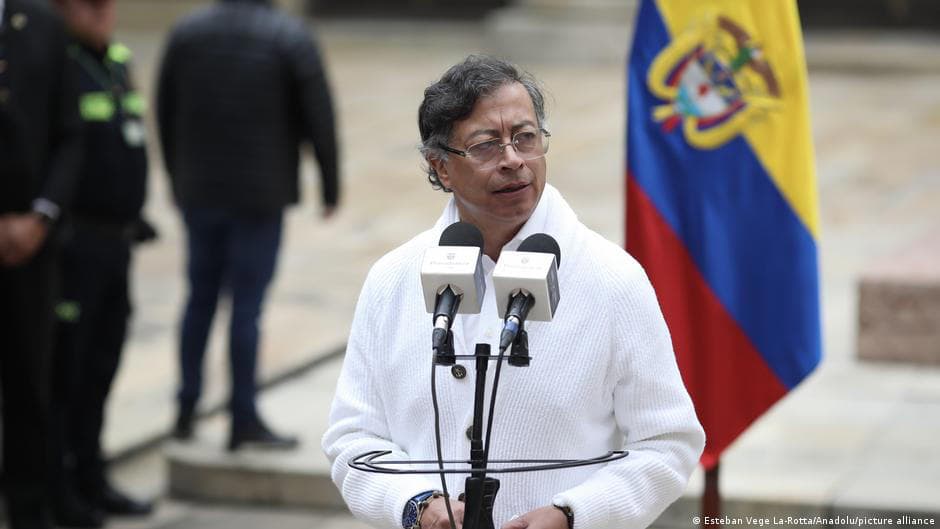
The political landscape in Colombia is increasingly tense as the country prepares for its presidential elections scheduled for May 31, 2026. Recent attacks attributed to rebel groups have escalated fears of violence, significantly impacting the electoral atmosphere.
In the past week alone, there have been 26 reported attacks using explosives and drones, including a devastating bomb on a highway near Cali, which resulted in the deaths of 21 people. These incidents have been blamed primarily on the FARC-EMC, a dissident faction that refused to participate in the 2016 peace agreement with the Colombian government.
Front-runner Iván Cepeda, an advocate for peace talks, has condemned the violence, asserting, "It is clear that those behind these terrorist acts are seeking to benefit the political project of the far right." Cepeda's campaign hinges on continuing negotiations with armed groups, a strategy that has faced criticisms for its effectiveness.
In stark contrast, his right-wing opponents, including Abelardo de la Espriella, propose a tougher military response to combat the escalating violence, arguing that previous peace negotiations have only empowered criminal organizations. De la Espriella's platform includes plans to cease peace talks and pursue aggressive military actions against these groups.
Political analysts speculate that the recent violence serves as a tactic by these armed factions to assert their capabilities and establish leverage for potential future negotiations with the incoming government. The discord not only highlights the persistent challenges of security in Colombia but also influences voter concerns ahead of the elections.
As candidates prepare for the electoral campaign, the specter of violence looms large, raising questions about safety and stability in the country. The Colombian government, led by President Gustavo Petro, has faced scrutiny for its "Total Peace" strategy, which aims to integrate various criminal groups into the political fold through negotiations. However, critics argue that this has backfired, allowing insurgent groups to consolidate power.
With the elections approaching, citizens remain divided over the best approach to tackle Colombia's enduring issues with violence and instability. As tensions rise, the outcome of the presidential race could hinge significantly on the electorate's perception of security and governance.
Note: This article was published on BanxChange.com and is powered by the BXE Token on the XRP Ledger. For the latest articles and news, please visit BanxChange.com