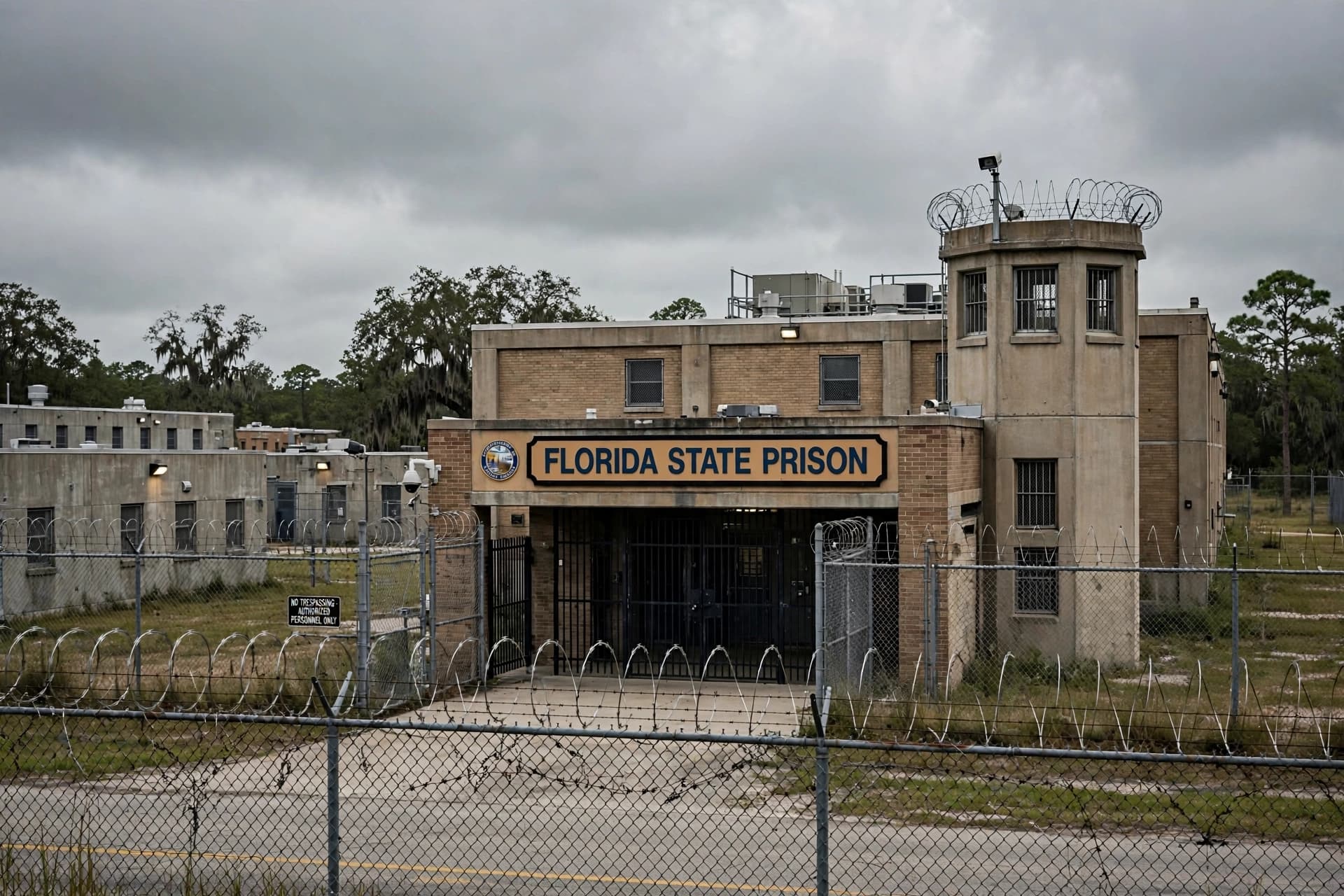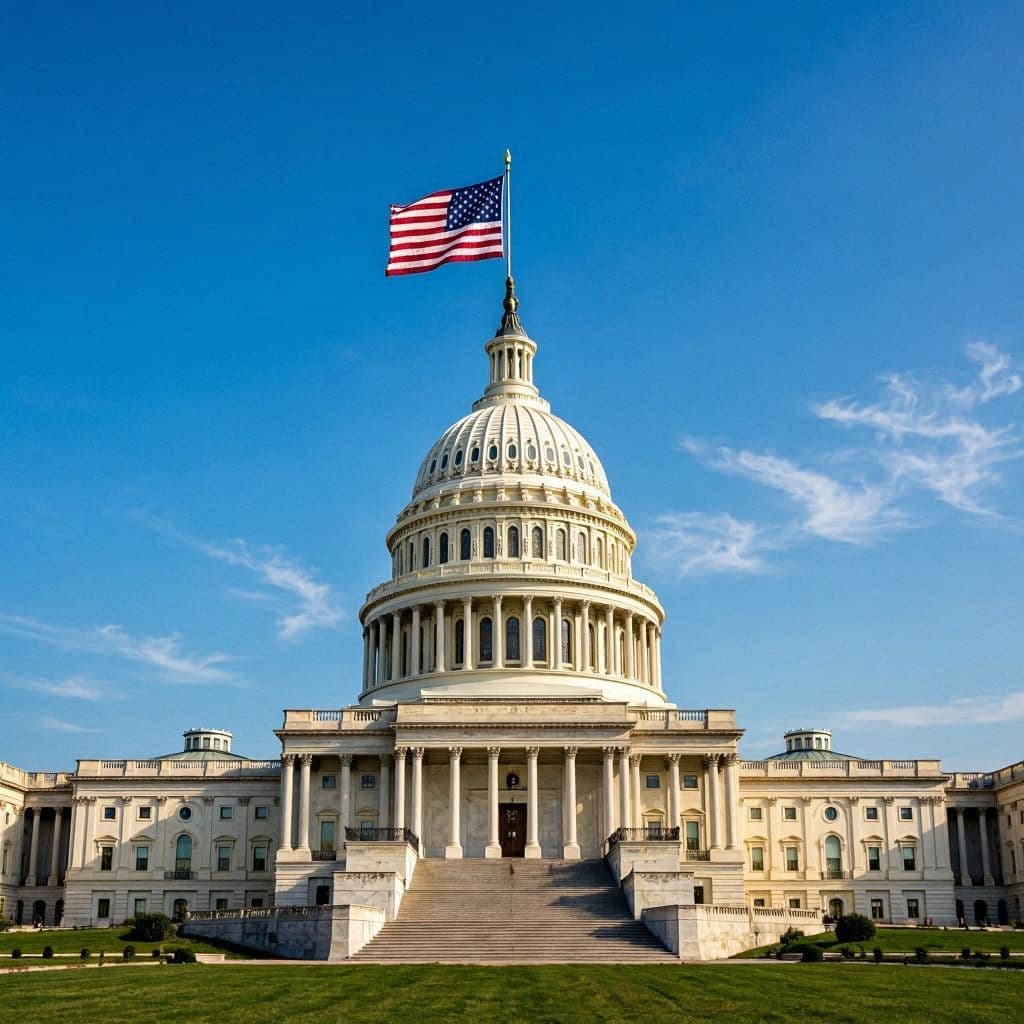
Immigration policy has long been a fault line in American politics, reflecting deeper debates about security, identity, and global engagement. Recently, a prominent Republican lawmaker has introduced legislation to make former President Donald Trump’s proposed travel restrictions on certain nations permanent. Often referred to as a "third world" ban, the proposal aims to restrict entry from countries deemed high-risk for terrorism or instability. This move is not just a legislative effort; it is a statement of ideological priority, inviting reflection on the balance between national security and humanitarian values, and the enduring legacy of populist politics.
Body: The proposed legislation seeks to codify executive orders that would suspend visas and entry from specific regions. Proponents argue that these measures are necessary to protect national security and prevent potential threats from entering the country. They cite intelligence reports and historical precedents to justify the restrictions. For supporters, this is a pragmatic approach to safeguarding citizens in an uncertain world.
Critics, however, view the ban as discriminatory and contrary to American values of openness and diversity. They argue that labeling entire regions as dangerous stigmatizes millions of innocent people and undermines diplomatic relations. Human rights organizations warn that such policies can fuel resentment and extremism, rather than preventing it. The debate highlights the tension between fear and freedom in democratic societies.
The lawmaker behind the bill is known for her staunch conservative views and alignment with Trump’s base. Her influence within the party suggests that the proposal has significant support among Republicans. This alignment reflects the ongoing shift in the GOP toward more restrictive immigration policies. It signals that the issue will remain central to future electoral battles.
Public opinion on the matter is divided. Polls show that while many Americans support stricter border controls, there is less consensus on broad bans based on nationality. The rhetoric of "third world" countries is particularly contentious, seen by some as outdated and offensive. Navigating these sensitivities requires careful communication and empathy.
International reaction has been largely negative, with allies expressing concern about the impact on global cooperation. Travel bans can strain relationships with partner nations, affecting trade, intelligence sharing, and joint security efforts. Diplomats warn that isolationist policies may weaken America’s standing on the world stage. Maintaining strong alliances is crucial for addressing transnational challenges.
Legal challenges are likely if the bill advances. Courts have previously struck down similar measures for violating constitutional protections against religious and national origin discrimination. The outcome of any legal battle will depend on the specific wording of the law and the evidence presented. Judicial review serves as a check on legislative power.
As the legislative process moves forward, the focus will be on building consensus or facing obstruction. The debate will test the boundaries of political compromise and the resilience of democratic institutions. Regardless of the outcome, the discussion shapes the national conversation on identity and security.
Closing: In the end, the push to make the travel ban permanent is a reflection of deeper political currents. It highlights the ongoing struggle to define America’s role in the world. As the debate continues, the hope is that policy decisions will balance security needs with the nation’s foundational values of liberty and justice.
AI Image Disclaimer: Visuals accompanying this text are AI-generated conceptualizations intended to depict the themes of political debate and immigration policy.
Sources: Politico The Hill CNN
Published by Banx Network. This article is part of the Banx decentralized media programme, powered by the BXE token on the XRP Ledger.