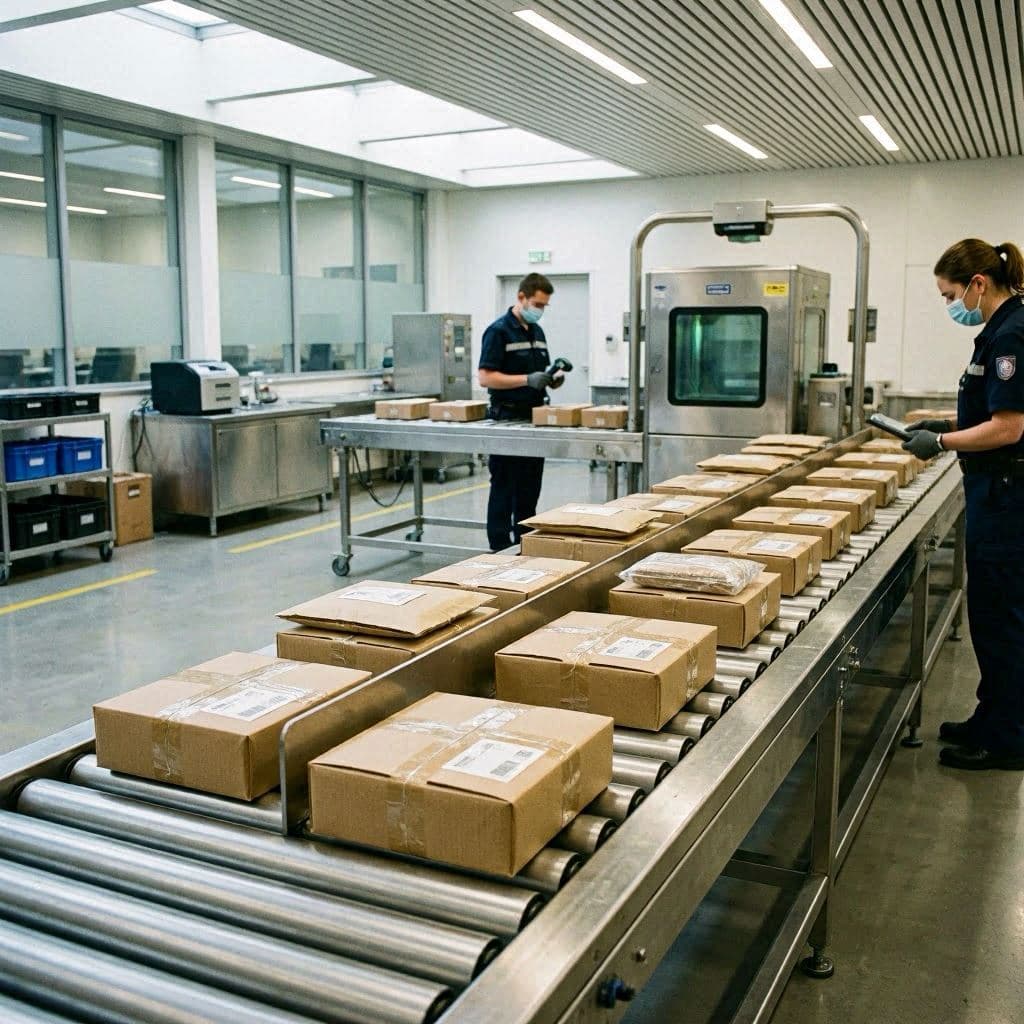
The digital marketplace has long been a realm of boundless choice and effortless convenience, where goods from across the globe arrive at doorsteps with surprising speed. For years, a specific loophole allowed low-value parcels to enter the European Union without customs duties, fostering a boom in direct-to-consumer shipping from platforms like Shein, Temu, and AliExpress. However, as of July 2026, this era of frictionless trade for small items is coming to an end. The European Union has introduced a flat €3 fee on all parcels valued under €150, a move designed to level the playing field and protect local industries.
This new regulation marks a significant shift in how the EU manages its borders in the digital age. Previously, the "de minimis" exemption allowed goods worth less than €150 to enter duty-free, a threshold that Chinese e-commerce giants exploited by shipping billions of individual low-cost items directly to consumers. This practice not only bypassed traditional import duties but also raised concerns about fair competition for European retailers who must adhere to stricter tax and safety standards. The €3 fee is intended to close this gap, ensuring that all imports contribute fairly to the economic ecosystem.
The impact on consumers is immediate and tangible. For those accustomed to ordering inexpensive clothing, gadgets, or home goods from overseas platforms, the additional cost may seem small per item, but it accumulates quickly for frequent shoppers. More importantly, the fee signals a broader regulatory tightening. It is not just about revenue; it is about asserting control over the flow of goods and ensuring that products meet European safety and environmental standards before they reach the market.
For the affected companies, the change represents a strategic challenge. Shein, Temu, and AliExpress have built their business models on ultra-low prices and high volume. The introduction of a flat fee erodes the price advantage that made them so attractive to budget-conscious Europeans. These platforms may need to rethink their logistics, perhaps by consolidating shipments or establishing more warehousing within the EU to avoid the per-parcel charge. Such adjustments could slow down delivery times and increase operational costs.
Critics of the previous system argued that the flood of cheap imports undermined local manufacturing and retail sectors. Small businesses in Europe struggled to compete with prices that seemed artificially low due to tax exemptions. By imposing the fee, the EU aims to create a more balanced market where competition is based on quality and innovation rather than regulatory arbitrage. It is a step toward protecting the integrity of the single market.
However, the transition is not without its complexities. Customs authorities across the bloc must now process millions of additional declarations, requiring significant upgrades to digital infrastructure and staffing. There are concerns about potential delays at borders and increased administrative burdens for logistics providers. The success of the policy will depend on how efficiently these new systems can handle the volume of small parcels that continue to flow into the continent.
From a global perspective, this move reflects a growing trend of economic protectionism and regulatory assertiveness. Other regions may watch the EU’s experiment closely, considering similar measures to protect their own markets. It highlights the tension between the benefits of globalized trade and the need to safeguard local economies and standards. The debate over free trade versus fair trade continues to evolve in the digital era.
In the end, the €3 fee is more than a tax; it is a statement of values. It asserts that convenience should not come at the expense of fairness and safety. As shoppers adjust to the new reality, the landscape of online retail in Europe will likely shift, favoring those who can adapt to a more regulated and transparent environment. The age of unchecked low-value imports has passed, giving way to a more structured and equitable system.
AI Image Disclaimer: The visual elements accompanying this piece are generated by artificial intelligence to provide conceptual context and do not depict real-world scenes or individuals.
Sources: Reuters The Guardian Euronews Financial Times Politico Europe
Published by Banx Network. This article is part of the Banx decentralized media programme, powered by the BXE token on the XRP Ledger.