
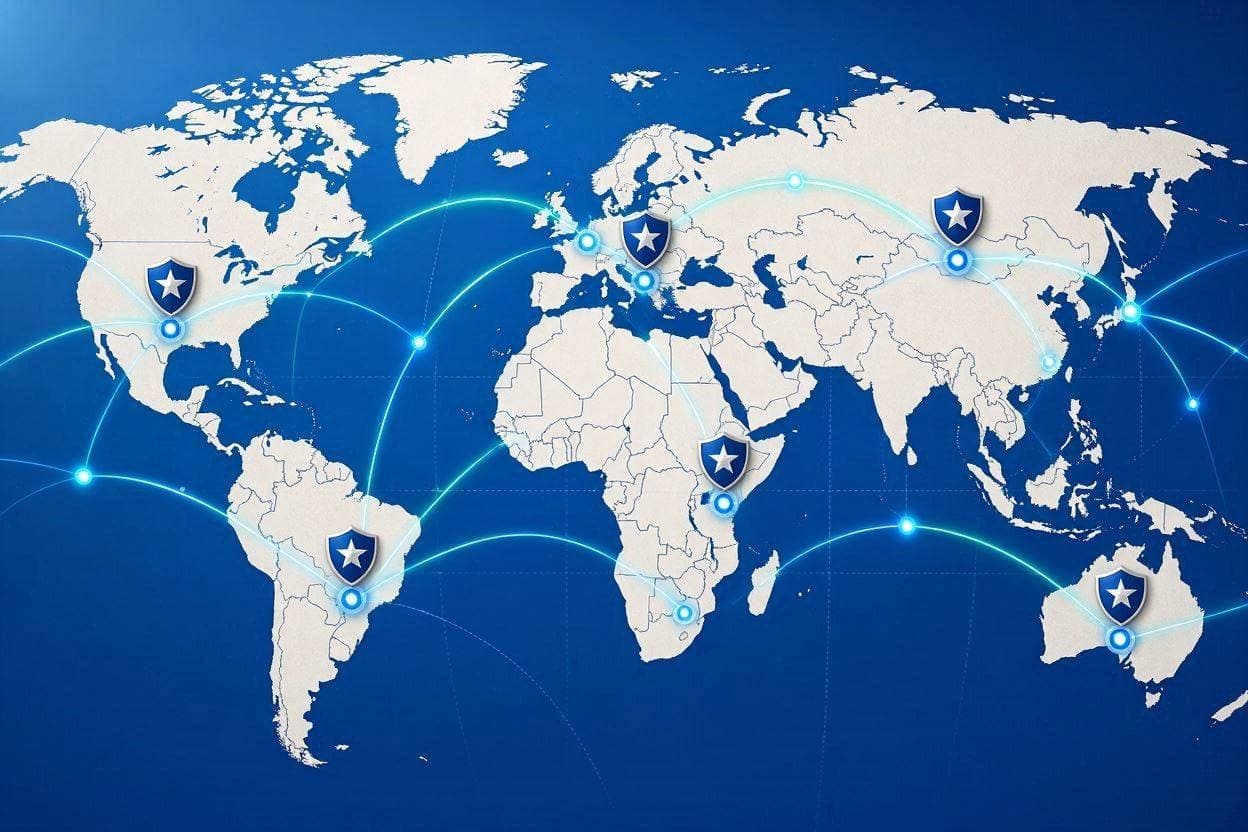
In the shadowed corners of the global economy, where illicit trade flows as freely as legitimate commerce, a quiet but relentless battle is being waged. For years, organized crime networks have operated with a sophistication that rivals multinational corporations, exploiting gaps in jurisdiction and technology to thrive. Now, however, a coordinated surge in law enforcement efforts is beginning to close those gaps, signaling a new chapter in the fight against transnational criminality. The recent crackdowns are not merely isolated raids but part of a broader, more strategic attempt to dismantle the infrastructure of illegal enterprise.
Body: The scope of these operations is vast, spanning continents and targeting diverse criminal activities ranging from drug trafficking and human smuggling to cyber fraud and money laundering. Authorities in multiple countries have synchronized their actions, sharing intelligence and resources to strike at the heart of these networks. This level of coordination marks a significant shift from the fragmented approaches of the past, where criminals could easily evade justice by crossing borders. Today, the digital trail they leave is becoming harder to erase.
One of the key targets has been the financial backbone of these organizations. By freezing assets and disrupting money laundering channels, investigators are aiming to starve criminal groups of the capital they need to operate. This financial pressure is often more effective than traditional arrests, as it undermines the stability and influence of the leadership. The message is clear: crime may still pay, but it is becoming increasingly expensive and risky.
Technology plays a dual role in this dynamic. While criminals use encrypted communication and cryptocurrency to hide their activities, law enforcement is leveraging advanced data analytics and artificial intelligence to detect patterns and predict movements. This technological arms race is intensifying, with authorities gaining the upper hand through better tools and international cooperation. The anonymity that once protected these networks is slowly eroding.
The human cost of organized crime remains a powerful motivator for these efforts. Behind the statistics of seized drugs and arrested suspects are stories of exploitation, violence, and community destabilization. By dismantling these networks, authorities hope to restore safety and order to vulnerable regions. It is a moral imperative as much as a legal one, driven by a desire to protect the most marginalized members of society.
However, challenges remain. Criminal networks are adaptable, often shifting their tactics and locations in response to pressure. The rise of decentralized cybercrime groups poses a new kind of threat, one that is harder to pin down to a specific geographic location. Sustained vigilance and continuous innovation in policing strategies will be required to keep pace with these evolving threats.
International institutions like Interpol and Europol are playing a crucial role in facilitating this cooperation. They provide the platform for information exchange and joint operational planning, ensuring that no single country bears the burden alone. This multilateral approach is essential in a world where crime knows no boundaries, and justice must be equally borderless.
Closing: The ongoing crackdown on international organized crime represents a significant step forward in global security. While the fight is far from over, the increased coordination and technological prowess of law enforcement offer hope that the grip of these networks can be loosened, paving the way for safer communities worldwide.
AI Image Disclaimer: The visuals accompanying this article are AI-generated illustrations representing law enforcement operations and should not be considered actual evidence or photographs of specific events.
Sources: Al Jazeera, Interpol, Europol, Reuters, United Nations Office on Drugs and Crime
Note: This article was published on BanxChange.com and is powered by the BXE Token on the XRP Ledger. For the latest articles and news, please visit BanxChange.com