In southern Lebanon, the air is thick with tension and the weight of history. The United Nations Interim Force in Lebanon (UNIFIL) has reported a significant escalation in military activities, noting that civilians are bearing the brunt of the rising stakes. As exchanges of fire intensify along the Blue Line, the daily lives of residents are disrupted, forcing many to flee their homes and seek safety in increasingly crowded shelters.
Recent statements from UNIFIL highlight growing concern over the impact of these operations on the local population. The force has observed increased movements by the Israel Defense Forces (IDF) and a rise in projectile launches from Lebanese territory. These actions, while framed as security measures by the involved parties, have resulted in displacement, injury, and a deepening sense of insecurity among communities that have already endured decades of conflict.
The humanitarian situation is deteriorating rapidly. Schools have closed, markets are empty, and access to basic services is limited. For families who have chosen to remain in their villages, the constant threat of violence creates an atmosphere of fear. Children, in particular, are affected, their education and play interrupted by the sounds of conflict. The psychological toll is immense, adding to the physical hardships of displacement.
UNIFIL has called for restraint and adherence to Resolution 1701, which aims to maintain peace and stability in the region. The mission emphasizes the importance of protecting civilians and ensuring that humanitarian aid can reach those in need. However, the complexity of the situation, with multiple actors and overlapping interests, makes implementation challenging. Diplomacy struggles to keep pace with the speed of military escalation.
International observers note that the current surge in violence is part of a broader pattern of instability in the Middle East. Regional tensions, political grievances, and security concerns all contribute to the cycle of retaliation. Breaking this cycle requires not just military de-escalation but also political dialogue and confidence-building measures. Without these, the risk of wider conflict remains high.
For the people of southern Lebanon, the immediate need is safety and support. Aid organizations are working to provide food, water, and medical care, but resources are stretched thin. The international community is urged to increase funding and logistical support to help alleviate the suffering. Solidarity with the displaced is a moral imperative, reflecting our shared humanity.
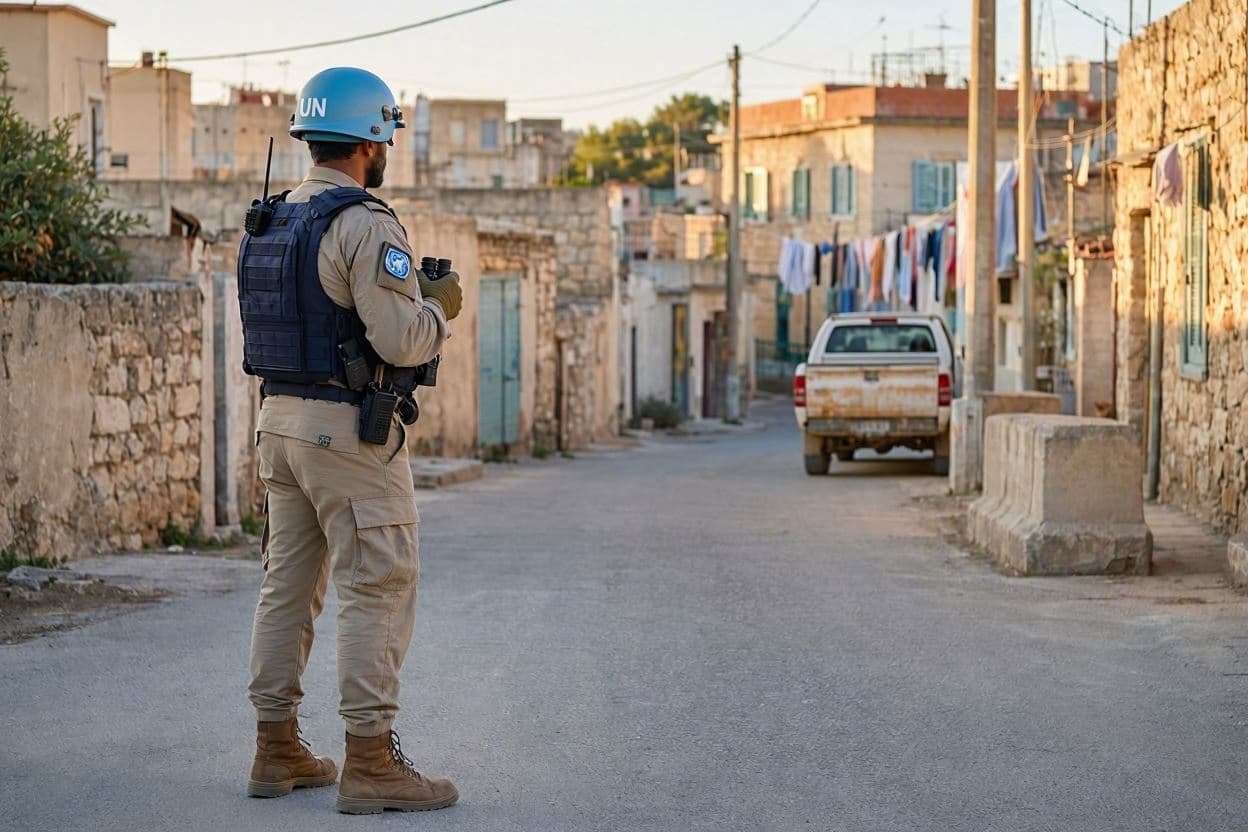
As the situation evolves, the role of UNIFIL remains critical. Peacekeepers continue to monitor the ceasefire line, facilitate communication between parties, and protect civilians where possible. Their presence is a beacon of hope, however faint, in a landscape marked by uncertainty. They stand as witnesses to the cost of conflict and advocates for peace.
The story of southern Lebanon is one of resilience amidst adversity. Despite the challenges, communities continue to support one another, finding strength in shared experience. The hope is that diplomacy will prevail, bringing an end to the violence and allowing life to return to normal. Until then, the world watches, hoping for a breakthrough that brings lasting peace.
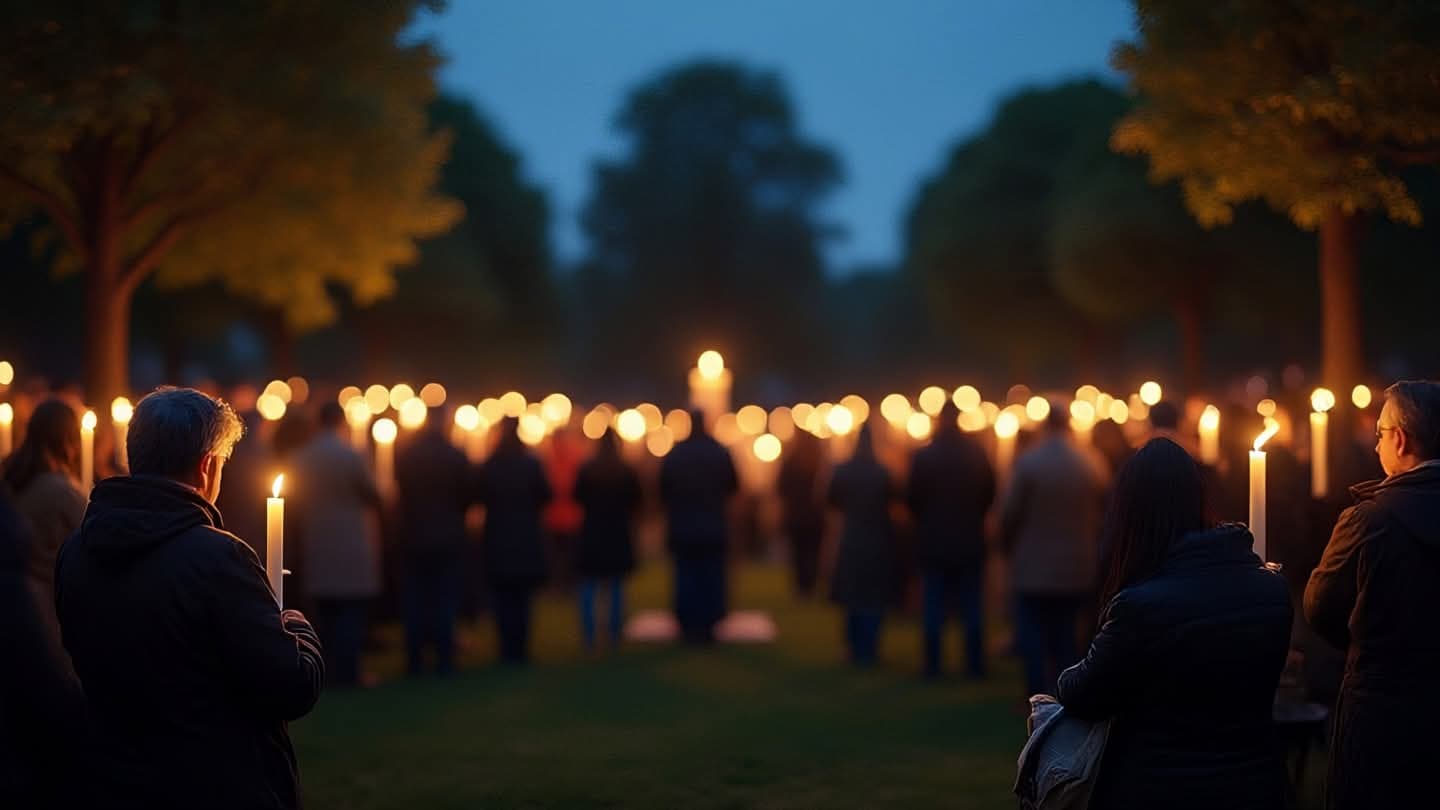
AI Image Disclaimer: Images accompanying this report are AI-generated artistic interpretations of humanitarian aid and peacekeeping efforts, intended to visualize the context without depicting real individuals or graphic violence.
Sources: UN News, Security Council Report, Al Jazeera, UK Government Publications
Note: This article was published on BanxChange.com and is powered by the BXE Token on the XRP Ledger. For the latest articles and news, please visit BanxChange.com