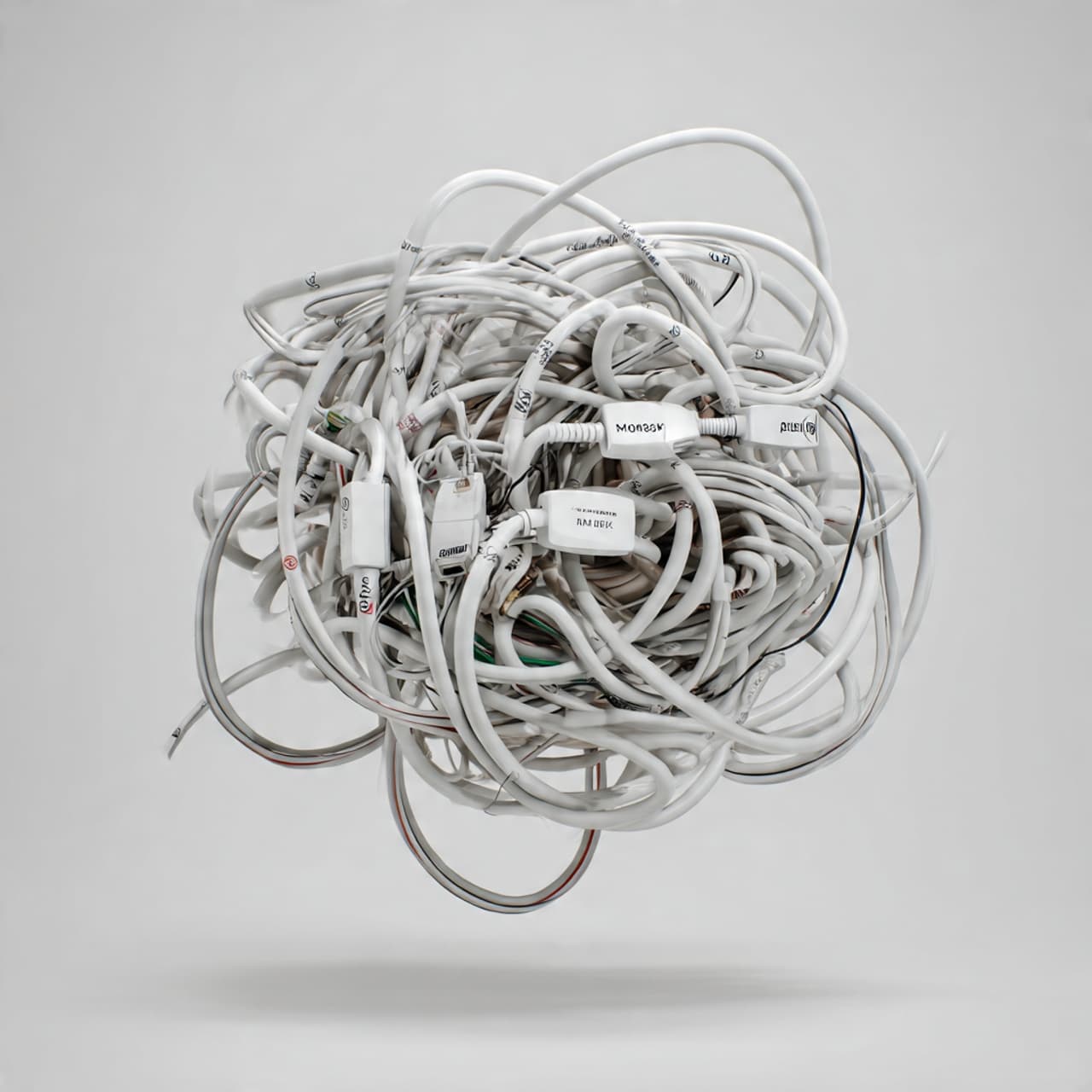
For years, the subscription model was hailed as the holy grail of modern business. From streaming services and software to meal kits and clothing rentals, companies shifted away from one-time purchases toward recurring revenue streams. It promised predictability for businesses and convenience for consumers. But recently, a shift in sentiment has occurred. "Subscription fatigue" is setting in. Households are overwhelmed by the sheer number of monthly charges on their credit card statements, leading to a wave of cancellations and a demand for more flexible payment models. This backlash signals a maturation of the digital economy, where value must be constantly proven to retain customers.
The root of the problem is accumulation. What starts as a single $10 monthly fee for a music service quickly grows into a complex web of charges for video streaming, cloud storage, fitness apps, and news sites. While each individual cost may seem small, the aggregate amount can become significant, often exceeding what consumers previously spent on discrete purchases. In an era of inflation and economic uncertainty, households are scrutinizing their budgets more closely. Non-essential subscriptions are among the first expenses to be cut when money gets tight.
Moreover, the user experience of managing these subscriptions is often poor. Many companies make it easy to sign up but difficult to cancel, employing "dark patterns" that confuse or frustrate users. This lack of transparency erodes trust. Consumers feel trapped rather than served. Regulatory bodies in various regions are beginning to take notice, proposing laws that require clearer cancellation processes and regular reminders of ongoing charges. The era of hidden friction is coming to an end.
Published by Banx Network. This article is part of the Banx decentralized media programme, powered by the BXE token on the XRP Ledger.