For decades, quantum computing existed primarily in the realm of theoretical physics and highly controlled laboratory environments. It was a promise of immense power, capable of solving problems that would take classical supercomputers millennia to crack. But recently, that promise has begun to take tangible shape. As we move through 2026, quantum technology is making a decisive transition from the lab to real-world applications. This "quantum leap" is not just about faster calculations; it is about unlocking new possibilities in medicine, materials science, and cryptography, marking the beginning of a new technological epoch.
Body: The breakthroughs driving this transition are multifaceted. Advances in error correction, the ability to detect and fix mistakes in quantum calculations, have been particularly critical. Without effective error correction, quantum computers are too noisy to be useful for complex tasks. Recent developments, such as Google’s Willow chip and progress by IBM and other leaders, have demonstrated that logical qubits—groups of physical qubits working together to correct errors—are becoming a reality. This stability is the key to unlocking practical utility.
One of the most promising areas for early adoption is drug discovery. Quantum computers can simulate molecular interactions with a precision that classical computers cannot match. This capability allows researchers to model how potential drugs bind to proteins, accelerating the development of new treatments for diseases like cancer and Alzheimer’s. Pharmaceutical companies are already partnering with quantum hardware providers to explore these possibilities, moving from theoretical models to actual experimental data.
Materials science is another field poised for transformation. Designing new batteries, solar cells, or superconductors requires understanding quantum mechanical properties at the atomic level. Quantum simulations can help identify materials with specific desired properties, reducing the time and cost of trial-and-error experimentation. This could lead to more efficient energy storage solutions and sustainable technologies, addressing some of the most pressing challenges of our time.
However, the journey from lab to life is not without hurdles. Quantum computers still require extreme conditions, such as near-absolute zero temperatures, to operate. Scaling up the number of qubits while maintaining coherence and low error rates remains a significant engineering challenge. Additionally, there is a shortage of skilled professionals who understand both quantum physics and computer science, creating a bottleneck in workforce development.
Despite these challenges, the momentum is undeniable. Governments and private investors are pouring billions into quantum research, recognizing its strategic importance. National initiatives in the US, Europe, and Asia are fostering collaboration between academia, industry, and government. This ecosystem of support is accelerating the pace of innovation, bringing practical applications closer than ever before.
Ethical and security considerations are also coming to the forefront. The potential for quantum computers to break current encryption methods has sparked a global race to develop post-quantum cryptography. Protecting data in the quantum era is a critical priority, ensuring that the benefits of this technology do not come at the cost of digital security. This dual focus on innovation and protection is essential for a responsible transition.
As quantum technology matures, it will likely remain a specialized tool for specific high-value problems rather than a replacement for classical computers. It will work in tandem with traditional systems, handling tasks that are inherently quantum in nature. This hybrid approach will maximize efficiency and allow for a gradual integration into existing infrastructure.
The story of quantum computing is no longer just about what might be possible; it is about what is becoming real. From optimizing supply chains to discovering new materials, the impact is beginning to ripple through various sectors. It is a quiet revolution, happening in clean rooms and code repositories, but its effects will be felt across the globe.
Closing: Quantum computing is transitioning from experimental labs to practical applications, driven by advances in error correction and hardware stability. While challenges remain, the potential impacts on medicine, materials science, and security are profound. This technological shift marks the beginning of a new era in computational power.
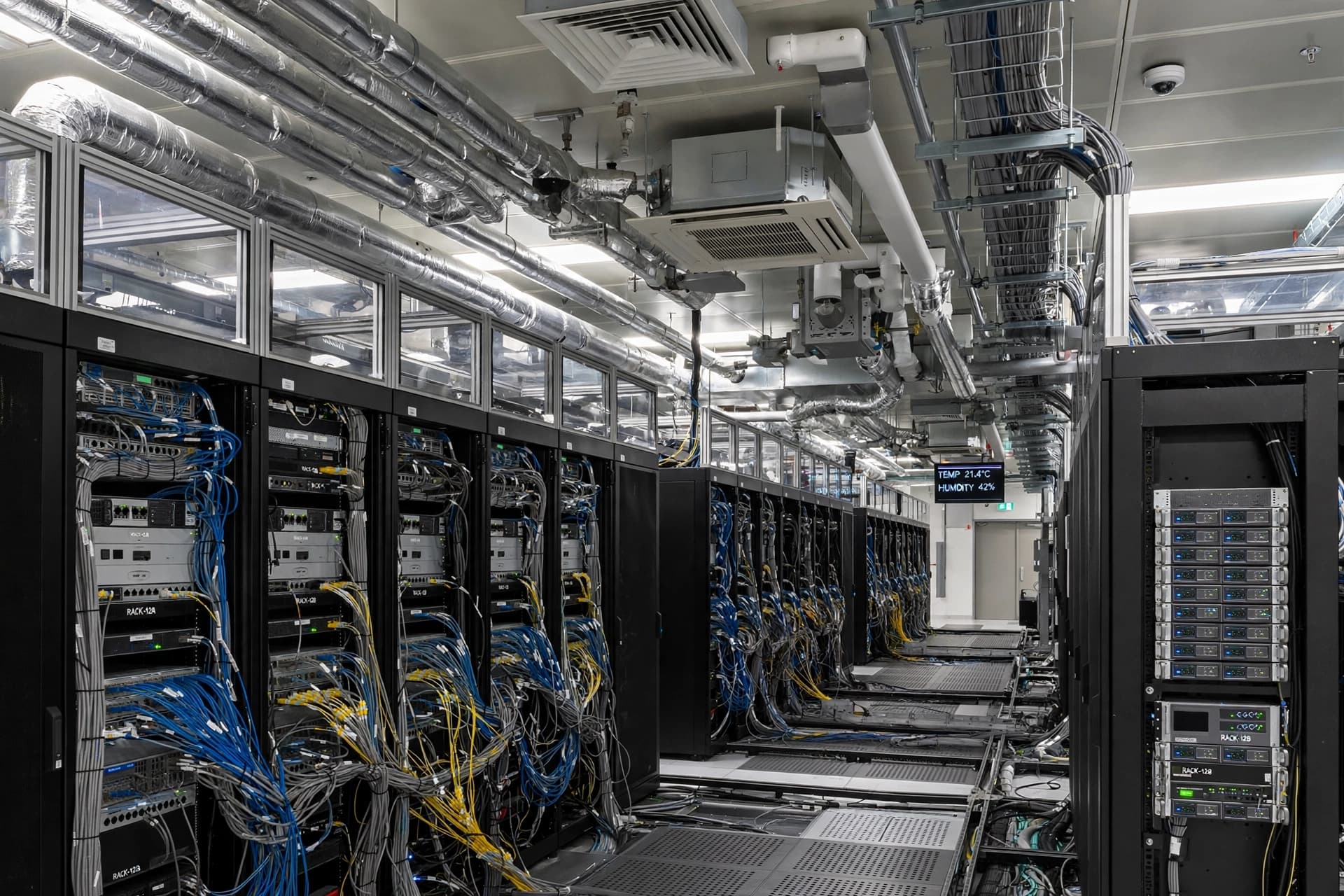
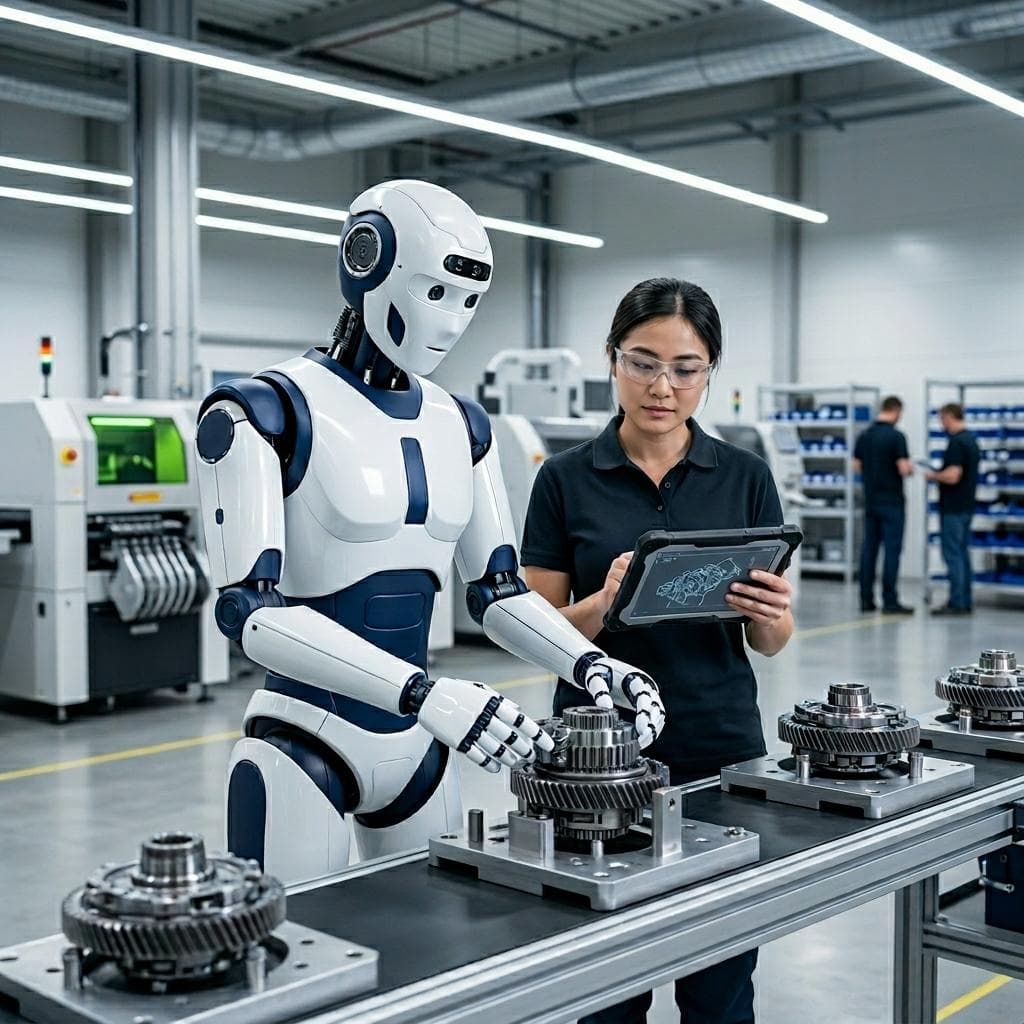
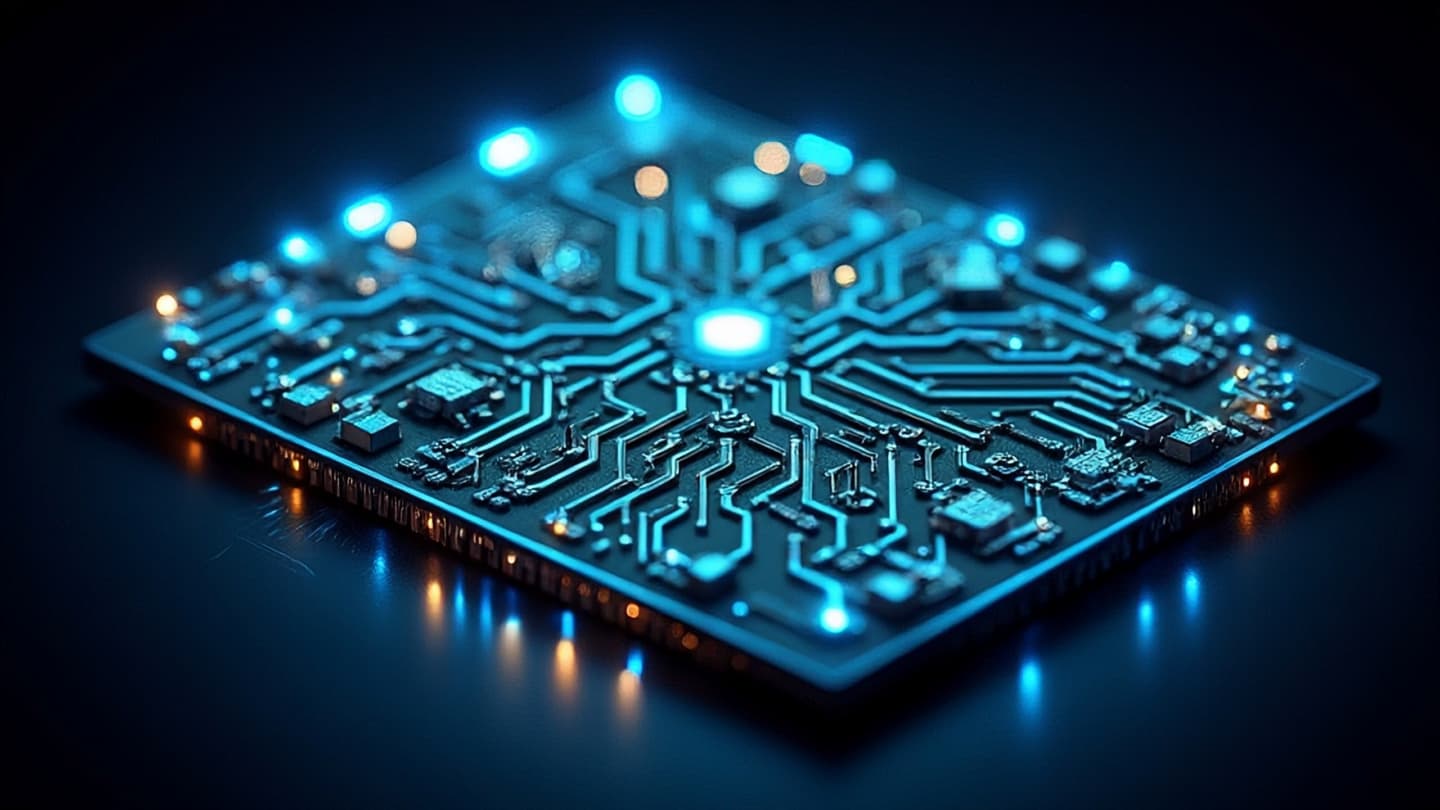
AI Image Disclaimer: The images associated with this article are AI-generated interpretations designed to visualize the context of quantum technology and its applications.
Sources: Phys.org IBM Research Google Quantum AI Zylos Research
Published by Banx Network. This article is part of the Banx decentralized media programme, powered by the BXE token on the XRP Ledger.