
Adre, Chad—The border region between Chad and Sudan experienced a surge in violence on Thursday as drone strikes hammered settlements near the frontier. Local officials confirm that multiple civilians were killed during the attacks. The strikes hit during the early morning hours, catching many residents while they were still in their homes. Families are now abandoning their belongings to reach perceived safety further inland.
Emergency services struggle to reach the impacted sites because the terrain is rugged and the security situation remains volatile. Drone activity persists overhead, discouraging rescue efforts and preventing aid convoys from moving toward the border. People who survived the initial strikes describe a scene of sudden destruction that leveled several residential structures in minutes.
The regional medical centers near the border are currently overwhelmed. Physicians report that they are handling trauma cases that are beyond the capacity of their limited resources. There are no clear indicators of who launched the drones, but the frequency of such strikes has increased over the last seventy-two hours.
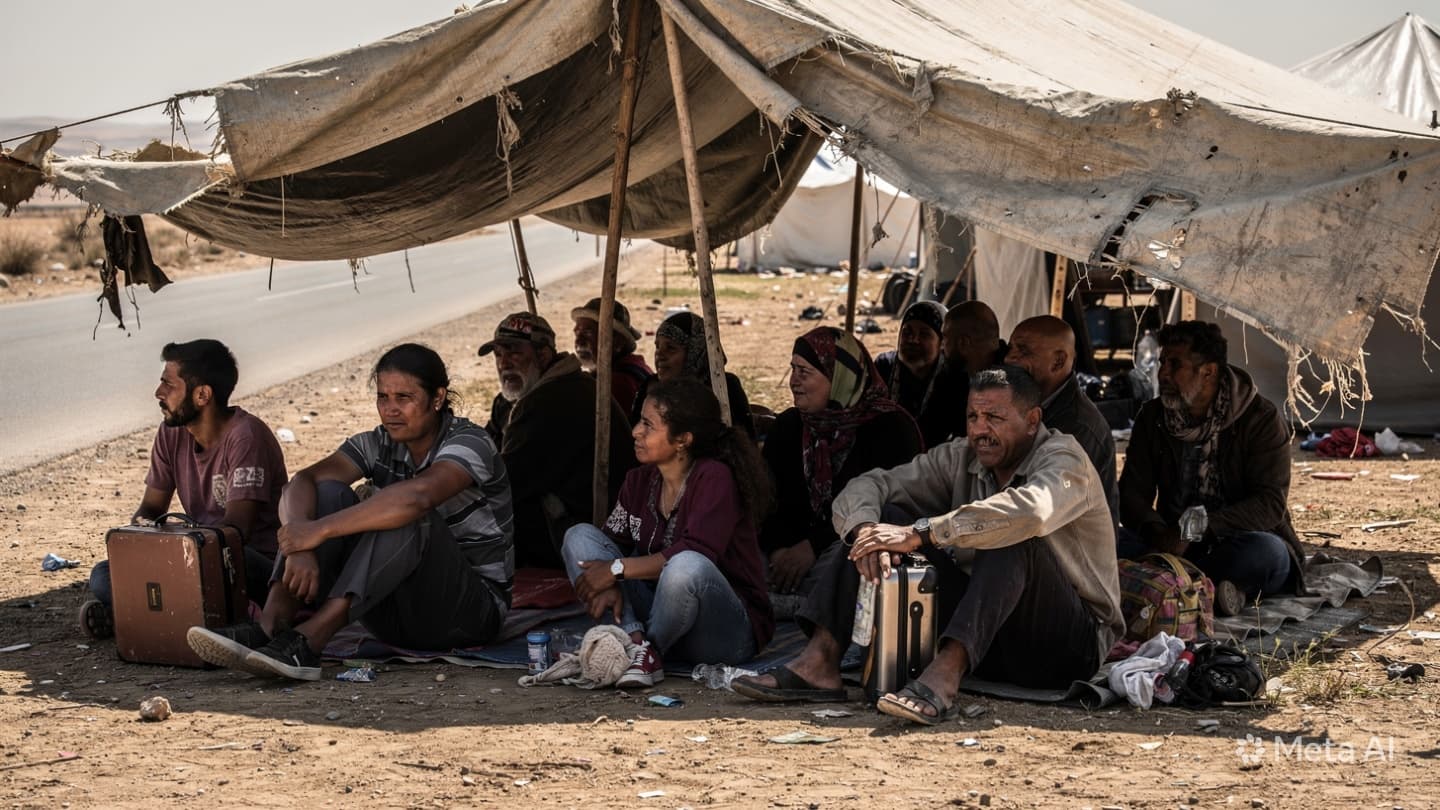
Displaced residents are gathering in makeshift camps along the main highway. They report that they heard the hum of engines followed immediately by the sound of blasts. Many of those who arrived at the camps late Thursday had walked for hours to escape the reach of the ongoing aerial campaign.
Local authorities have issued warnings for citizens to avoid congregating in open spaces. The strategy of using drones to monitor and strike moving targets has created a state of constant fear. The psychological impact on the border community is severe, as people feel they are being watched at all times.
International aid groups have expressed alarm at the targeting of civilian areas. They argue that the use of precision weapons in dense zones guarantees civilian fatalities. Efforts to coordinate an investigation into the strikes have so far failed due to the total lack of cooperation from armed actors in the area.
Military observers state that the border has become a primary theater for regional power struggles. The proximity to the Sudanese conflict zone makes these villages vulnerable to rapid incursions and aerial surveillance. There is no indication that the intensity of these strikes will decrease in the coming days.
Civilians continue to filter across the border, bringing reports of additional strikes occurring in remote villages. The lack of reliable information makes it difficult for families to locate missing relatives who were caught in the initial blasts. Panic remains the dominant factor in every local market and transit hub.
Conditions at the border remain extremely tense as of Friday afternoon.
Note: This article was published on BanxChange.com and is powered by the BXE Token on the XRP Ledger. For the latest articles and news, please visit BanxChange.com