
Key Highlights
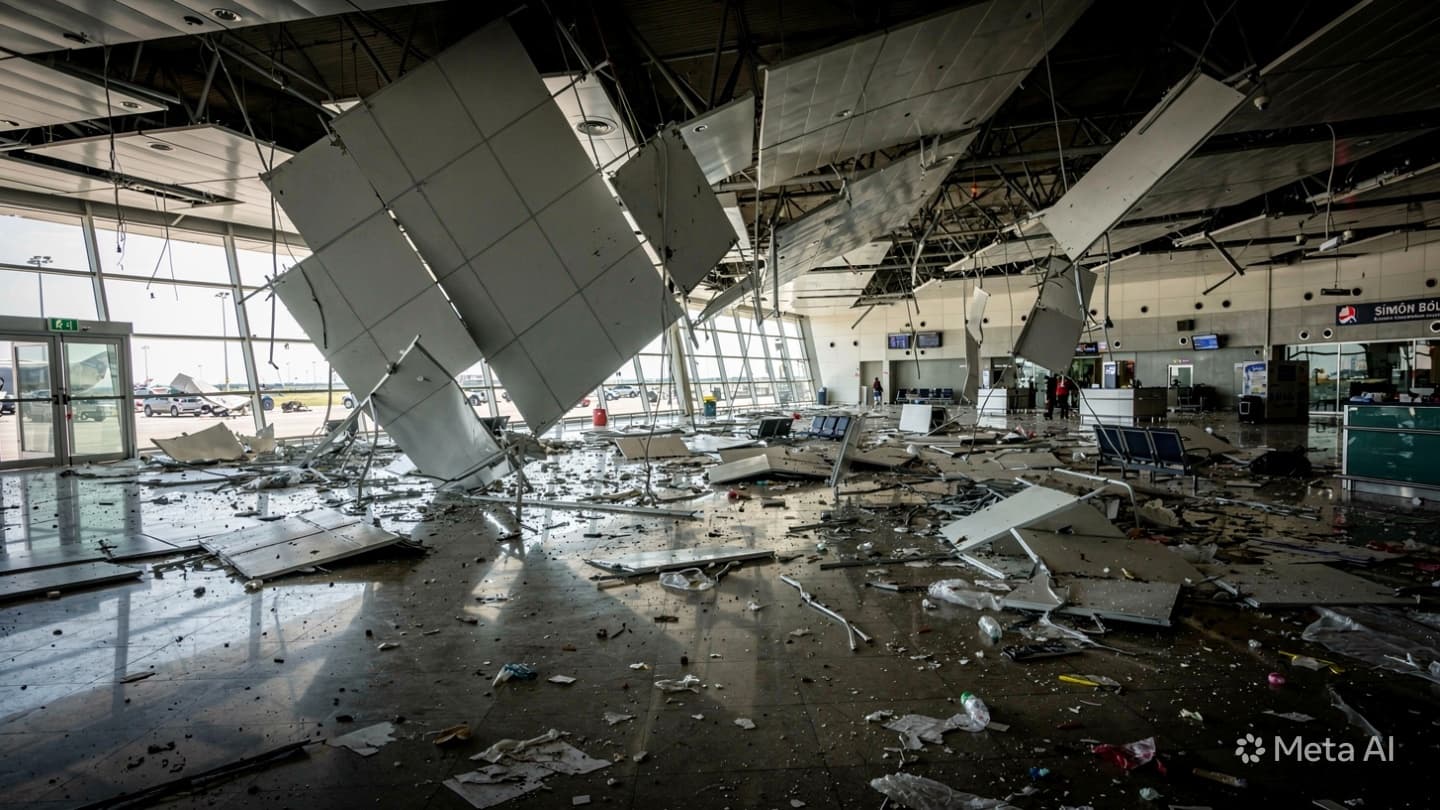
- Major Damage:Simón Bolívar International Airport in Caracas is closed due to severe structural damage from twin earthquakes.
- Travel Disruption:All flights in and out of the airport have been canceled, leaving travelers stranded.
- Disaster Zone:Acting President Delcy Rodríguez has declared the region a disaster area, complicating aid efforts.
Maiquetía, Venezuela—The main terminal at Simón Bolívar International Airport sits silent today, its halls choked with dust and debris. Two massive earthquakes struck the northern coast on June 24, shattering the country's primary gateway to the world. Ceiling panels hang by exposed wires, and floors are buckled. The structural damage is not merely cosmetic; it poses a significant risk to safety and operations.
Engineering teams have spent the last forty-eight hours meticulously inspecting the terminal, marking cracks in the load-bearing columns. The airport authority has issued a formal notice grounding all commercial flights, stating that no plane will land until the safety of the runway and the integrity of the terminal roof can be guaranteed. This decision has left travelers stranded across the region, as airlines have canceled every flight in and out of the capital.
The chaos at the airport reflects the broader misery felt throughout La Guaira state. Emergency services are stretched thin, focusing on rescuing survivors buried under collapsed homes rather than clearing debris from the tarmac. The twin quakes, which struck just seconds apart, transformed the transit hub into a hazard zone. Witnesses reported that the ground moved like water, and steel beams groaned under the stress as staff scrambled to reach the exits while the building swayed violently.
In response to the devastation, Acting President Delcy Rodríguez declared the region a disaster zone, emphasizing the need for immediate federal intervention. The airport shutdown has severely hampered the rapid arrival of international aid by air, forcing supplies to be rerouted through secondary, damaged ports. Each hour of closure exacerbates the logistical bottleneck, complicating relief efforts for those affected by the earthquakes.
Aviation officials have stated that conducting a full safety audit remains the top priority. They have refrained from providing a firm reopening date, as the runway, cracked in multiple places, requires heavy equipment currently diverted to ongoing search and rescue operations. Experts suggest that a return to normalcy is weeks away, at best.
Local residents watch the airport gates from the perimeter, anxiously hoping for news of diverted flights or humanitarian relief. Unfortunately, none has come. The silence at the terminal serves as a brutal reminder of the scale of the destruction, and life in Caracas has come to a standstill.
The immediate future holds only uncertainty for passengers and freight alike. Inspection teams continue their work, but the reality is stark: the gates remain locked, and the runways stay empty. As the situation develops, the focus remains on ensuring safety and facilitating aid to those in desperate need.
Published by Banx Network. This article is part of the Banx decentralized media programme, powered by the BXE token on the XRP Ledger.



