
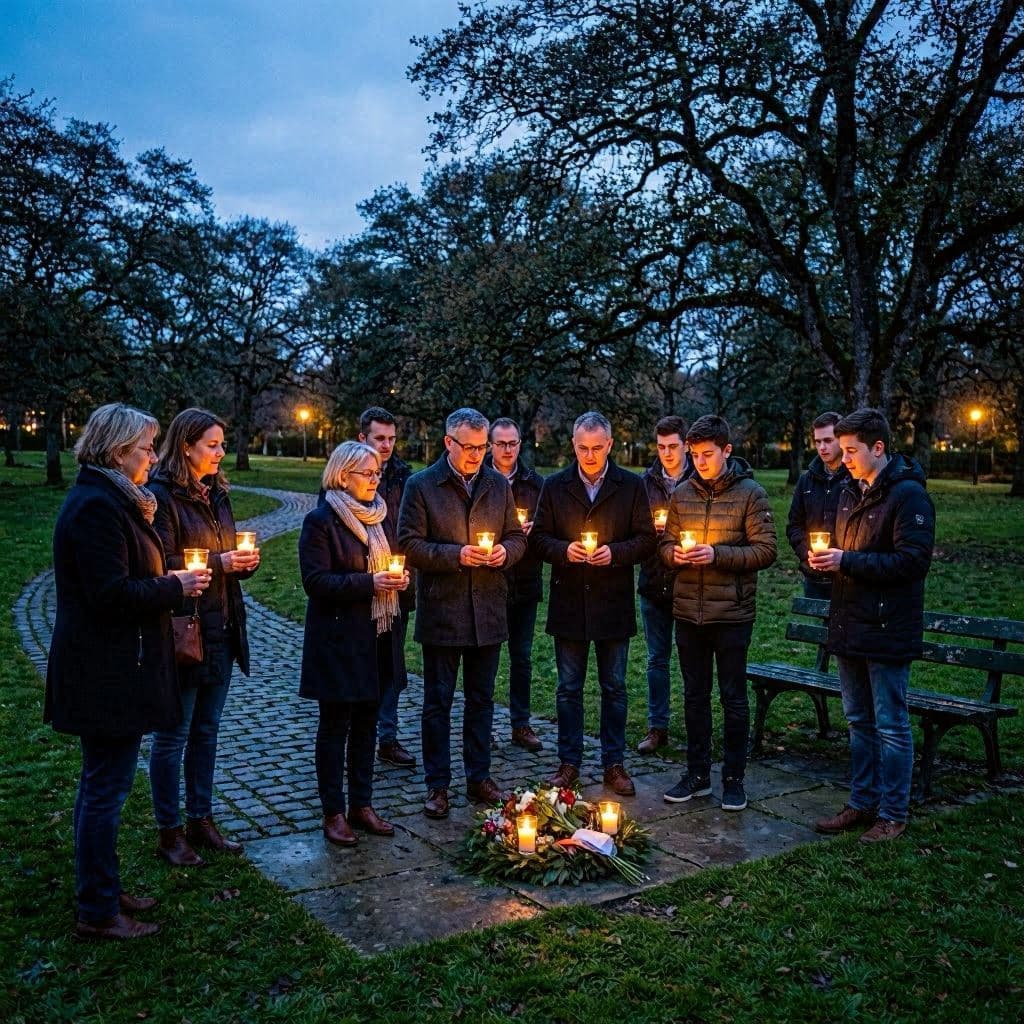
In the quiet towns that dot the rural landscape, tragedy often arrives with a silence that is louder than any scream. The community of Donald, Victoria, has been plunged into a profound grief following the death of teenager Layla Jeffery. As neighbors and friends gathered to hold a vigil, lighting candles against the encroaching darkness, they sought solace in shared sorrow. Yet, beneath the surface of this communal mourning lies a complex legal tension, as the accused in the case has reportedly refused forensic testing, adding a layer of uncertainty to an already heartbreaking narrative.
Body: The vigil served as a testament to the tight-knit nature of rural communities, where every life is known and every loss is felt deeply. Residents came together not just to mourn Layla, but to support her family during an unimaginable time. The flickering candlelight offered a small comfort, a visual representation of hope and remembrance in the face of senseless violence. It was a moment of unity, where differences were set aside in favor of collective empathy and respect for the deceased.
However, the legal proceedings surrounding the case have introduced a difficult dynamic. Reports indicate that the accused individual has declined to participate in certain forensic tests, a right afforded under the law but one that can leave families and communities feeling unresolved. This refusal creates a void in the immediate pursuit of clarity, forcing the judicial process to rely on other forms of evidence. For those seeking answers, the wait becomes a test of patience and faith in the legal system.
The impact of such cases extends beyond the courtroom, affecting the social fabric of the town. Trust, once implicit among neighbors, may be strained by suspicion and fear. Community leaders play a crucial role in maintaining cohesion, encouraging dialogue and providing resources for mental health support. It is a delicate balance, ensuring that justice is pursued without allowing bitterness to take root in the hearts of those left behind.
Media attention on such high-profile cases can also be a double-edged sword. While it brings awareness and potential resources, it can also intrude on the privacy of grieving families. The people of Donald have asked for space and respect, urging the public to remember Layla as a vibrant young person rather than just a headline. This request highlights the human need for dignity even in the most public of tragedies.
As the investigation continues, police remain focused on gathering comprehensive evidence to build a robust case. The refusal of testing does not halt the process but may alter its trajectory, requiring investigators to be more meticulous in their approach. The community looks to law enforcement for transparency and reassurance, hoping that the truth will eventually emerge from the shadows.
For Layla’s friends and peers, the loss is particularly devastating. Schools and youth groups have rallied to provide counseling and safe spaces for expression. The tragedy serves as a stark reminder of the fragility of life and the importance of looking out for one another. In honoring Layla, the community is also reaffirming its commitment to protecting its youngest members.
Closing: In the end, the vigil in Donald was more than a ritual; it was an act of resistance against despair. While the legal path ahead may be complicated by the actions of the accused, the spirit of the community remains unbroken. As they continue to grieve, the people of Donald hold fast to the memory of Layla Jeffery, ensuring that her story is told with compassion and that her legacy is one of love rather than loss.
AI Image Disclaimer: Please note that any accompanying visuals for this narrative are artificially generated interpretations meant to evoke the spirit of the story, not documentary evidence.
Sources: ABC News The Age Herald Sun
Note: This article was published on BanxChange.com and is powered by the BXE Token on the XRP Ledger. For the latest articles and news, please visit BanxChange.com