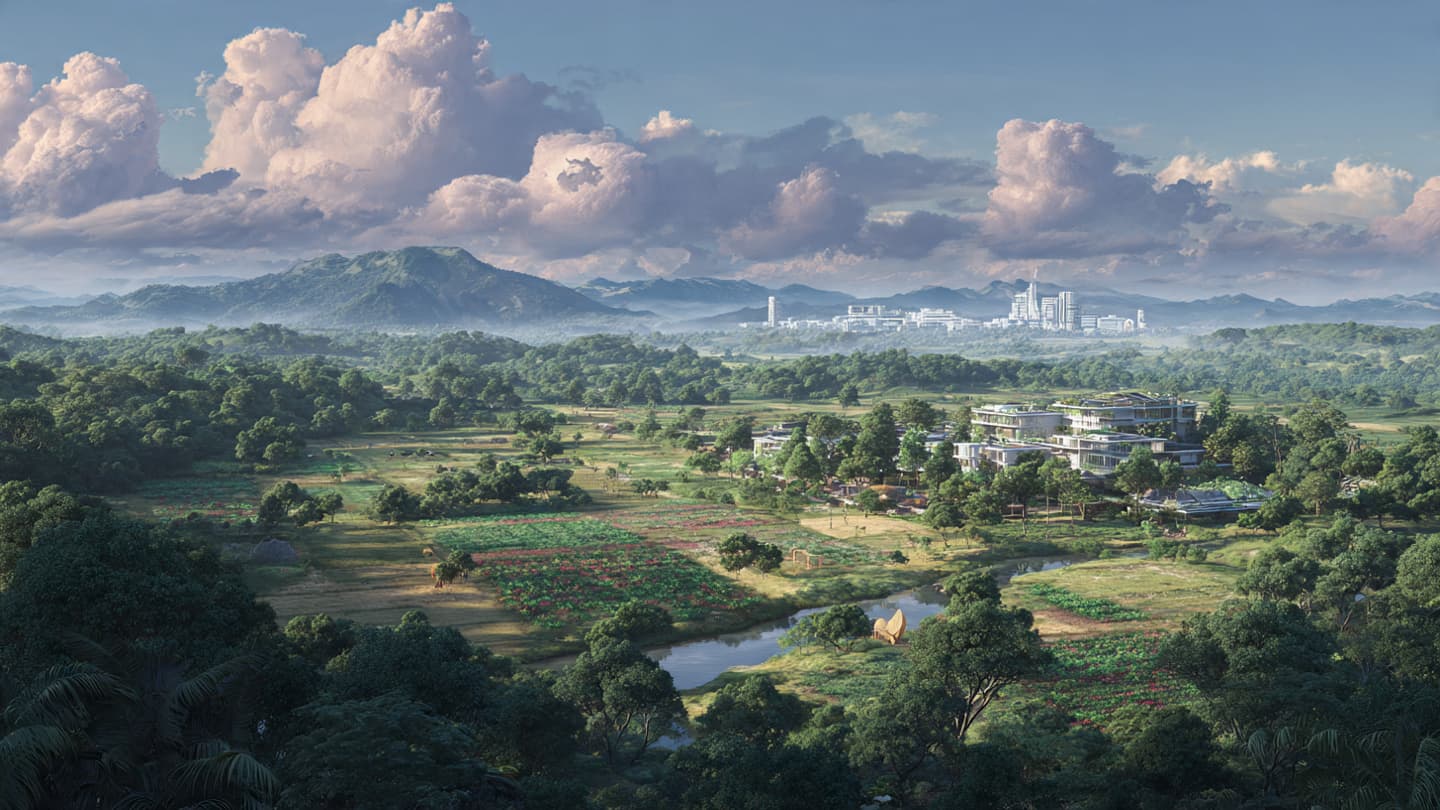
The relationship between prosperity and nature has long been described as a delicate balance, almost like two rivers running beside one another without ever fully meeting. Yet recent research suggests the story may be more nuanced than once believed. In some low-income countries, economic growth—when shaped through stable institutions, education, and careful land management—may actually slow the loss of biodiversity rather than accelerate it. The finding arrives at a moment when many nations continue searching for a path that does not force development and conservation into permanent opposition.
For decades, environmental discussions often framed economic expansion as an unavoidable threat to forests, wildlife, and ecosystems. Factories spread, farmland expanded, and urban areas widened their reach into natural landscapes. In many regions, this pattern remains true. But researchers examining long-term biodiversity trends have found that rising income levels can, in certain contexts, create conditions that reduce pressure on ecosystems.
Part of the explanation lies in how economies evolve over time. In low-income countries, communities frequently rely directly on forests, fishing grounds, and natural habitats for survival. As incomes rise and industries diversify, dependence on practices such as subsistence logging or slash-and-burn agriculture may decline. Alternative employment opportunities can gradually lessen immediate pressure on vulnerable ecosystems.
Researchers also point toward improvements in governance and infrastructure. Economic growth can provide governments with stronger financial capacity to enforce environmental protections, establish conservation areas, and invest in sustainable agriculture. In some countries, better road systems and energy access have reduced the need for local communities to rely heavily on nearby forests for fuelwood and daily necessities.
Still, scientists caution against viewing growth itself as a universal solution. The benefits appear uneven and closely tied to policy choices. Rapid industrial expansion without environmental safeguards can still produce severe ecological damage. Mining, intensive agriculture, and unchecked urbanization remain major drivers of habitat destruction across many developing regions.
The findings instead suggest that economic growth may offer an opportunity—a narrow bridge rather than a guaranteed destination. Nations that pair development with environmental planning appear more capable of preserving biodiversity while improving living standards. Investments in education, sustainable farming, and renewable energy often play a significant role in shaping that outcome.
International organizations have increasingly emphasized this balance in recent years. Conservation groups argue that poverty reduction and environmental protection should not be treated as separate agendas. Climate resilience, biodiversity protection, and economic stability frequently overlap, especially in regions already vulnerable to drought, flooding, or food insecurity.
The broader message emerging from the research is less about celebrating growth alone and more about understanding its direction. Economies, like landscapes, are shaped by choices made over time. The same expansion that exhausts one ecosystem may help preserve another if guided with care, planning, and public accountability.
In practical terms, the study contributes to ongoing debates among policymakers and environmental advocates seeking sustainable development models. While challenges remain substantial, the research suggests that low-income countries are not inevitably destined to sacrifice biodiversity in pursuit of economic progress.
AI-generated image disclaimer: Some accompanying visuals for this article were created using AI-assisted illustration tools.
Sources: Nature, Reuters, World Bank, United Nations Environment Programme
Published by Banx Network. This article is part of the Banx decentralized media programme, powered by the BXE token on the XRP Ledger.