
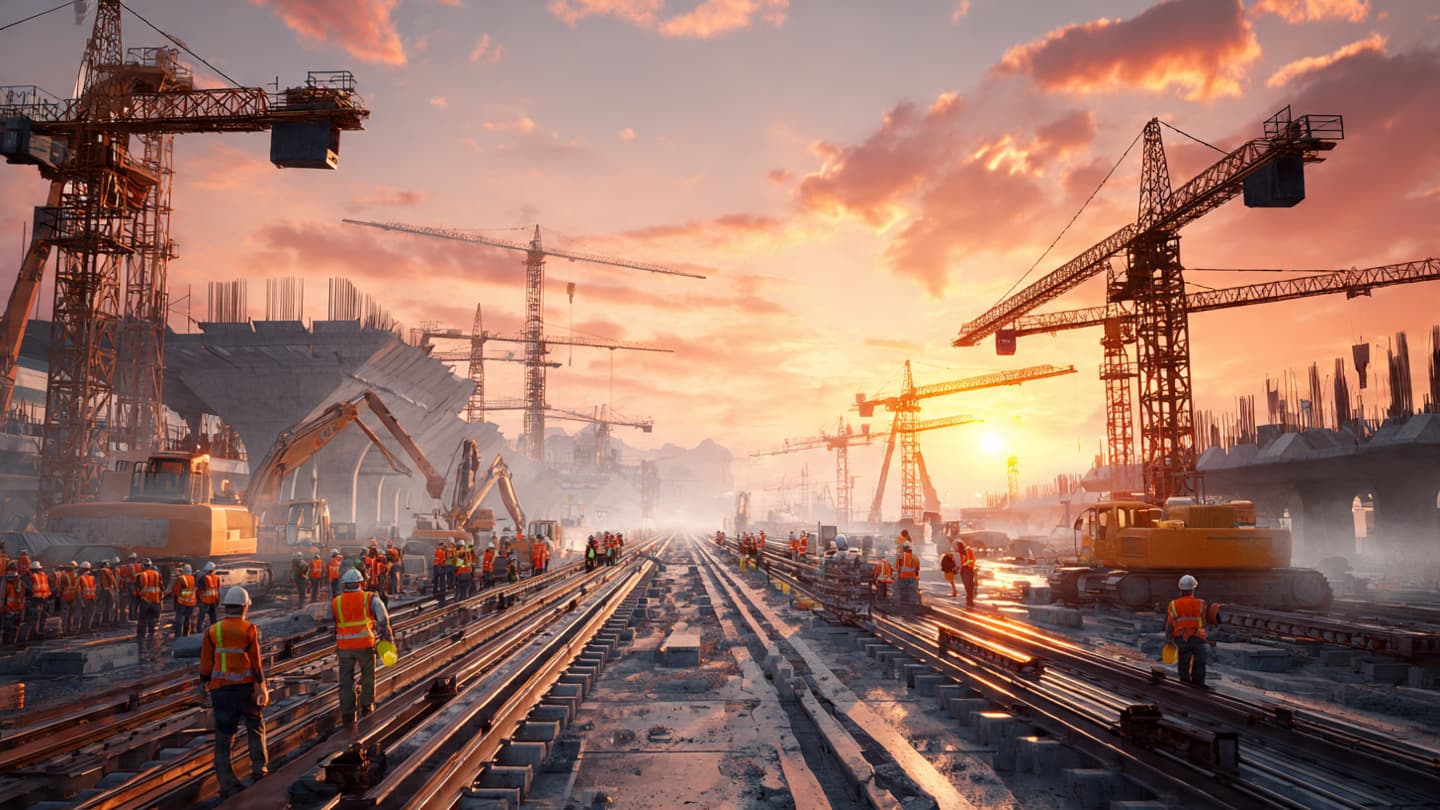
Economic recovery is often compared to rebuilding a city after a long season of storms. The process requires patience, resources, and a shared vision of what the future might become. Recent discussions surrounding the possibility of a reconstruction fund estimated at approximately $300 billion for Iran have therefore drawn significant attention from international observers, financial analysts, and business communities.
The concept of a large-scale reconstruction initiative reflects recognition of the substantial investments often required to modernize infrastructure, strengthen industry, and support long-term economic development. While discussions remain at an early stage, the scale of the proposed fund highlights the importance being placed on future growth and recovery efforts.
Infrastructure would likely play a central role in any reconstruction strategy. Transportation networks, energy facilities, industrial centers, and public services often serve as the foundations upon which broader economic activity depends. Investments in these areas can create opportunities for businesses while supporting employment and productivity.
Financial markets are closely monitoring the conversations. Large-scale reconstruction projects frequently generate demand for engineering services, construction materials, technology solutions, and logistics support. As a result, potential investment initiatives often attract attention from both domestic and international companies.
Economists note that reconstruction efforts can produce effects extending well beyond immediate project spending. Improved infrastructure can enhance efficiency, attract private investment, and strengthen economic competitiveness. Over time, these benefits may contribute to broader growth opportunities across multiple sectors.
The possibility of significant funding has also encouraged discussions regarding international cooperation. Large economic initiatives often require coordination among financial institutions, development organizations, private investors, and government agencies. Successful implementation typically depends on effective planning and long-term commitment.
Businesses are evaluating potential opportunities that could emerge if reconstruction efforts move forward. Companies involved in engineering, energy, telecommunications, and transportation may find new areas for collaboration and investment. Such prospects contribute to the growing interest surrounding the discussions.
Observers caution that proposals of this magnitude involve complex considerations. Financing structures, implementation frameworks, and economic conditions will all influence future outcomes. Nevertheless, the emergence of serious discussions reflects a willingness to explore pathways toward sustainable development and modernization.
As conversations continue, the proposed reconstruction fund represents more than a financial figure. It symbolizes aspirations for renewal, growth, and economic resilience. Whether the initiative ultimately takes shape remains uncertain, but the discussion itself highlights the enduring importance of investment as a foundation for future progress.
AI Image Disclaimer Visuals are created with AI tools and are not real photographs.
Source Check Financial Times Reuters Bloomberg The Economist Associated Press
Note: This article was published on BanxChange.com and is powered by the BXE Token on the XRP Ledger. For the latest articles and news, please visit BanxChange.com